site.btaSerbia’s Fuel Supplies to Be Secured by Hungary, North Macedonia - Serbian Association of Employers Honorary President
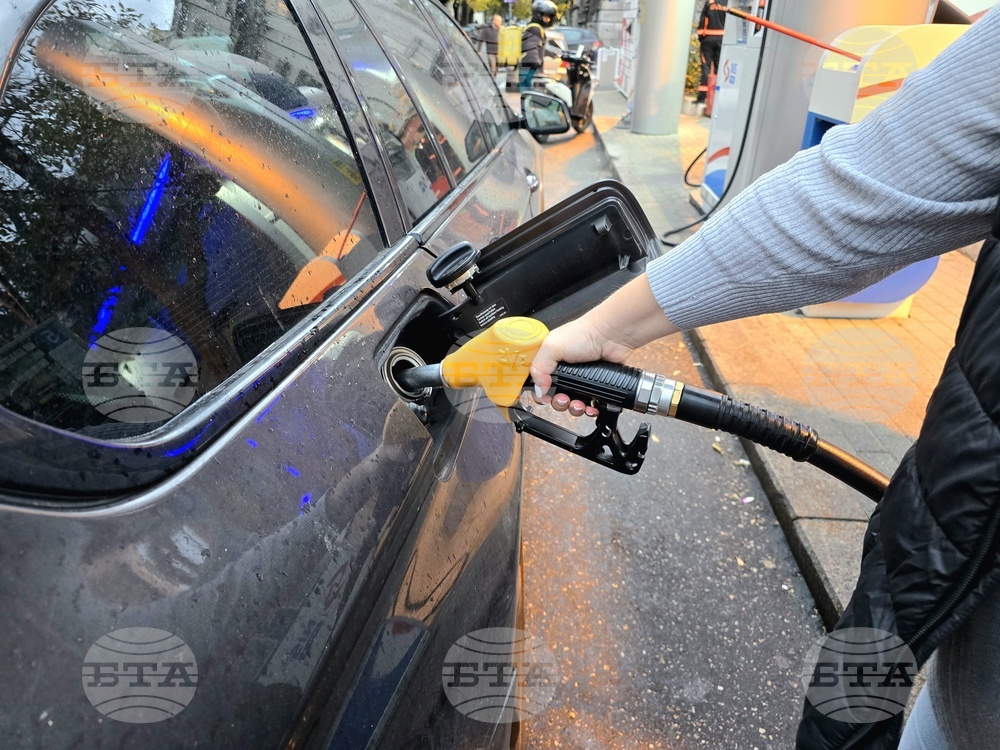
Nebojsa Atanackovic, Honorary President of Serbian Association of Employers, has said that part of Serbia’s fuel supplies will soon arrive from the south, via North Macedonia, while the rest - likely the larger share - will come from the north, mainly from Hungary, Serbian national broadcaster RTS reported.
"We have a relatively short time to adapt to the fact that supplies will come through other channels," Atanackovic said, speaking of Serbia’s ongoing oil crisis.
In his words, Hungary offers the best conditions because it has a large refinery and can deliver fuel by barge.
In late November, the Hungarian oil and gas company MOL announced that it would increase crude oil and fuel deliveries to Serbia after Croatia halted crude oil supplies. Hungarian Foreign Minister Peter Szijjarto said at the time that MOL had doubled deliveries to Serbia in November and would supply two and a half times more crude oil and fuel than usual in December.
In April, Szijjarto spoke of plans to build an oil pipeline between Hungary and Serbia, which could begin covering all of Serbia’s crude oil needs by 2028.
The pipeline is expected to transport between four and five million tons of Russian oil per year to Serbia via Hungary, the Foreign Minister added.
At the end of November, North Macedonia's Prime Minister Hristijan Mickoski said that the Thessaloniki–Skopje oil products pipeline, which had been out of service for more than 10 years, would resume operations by the end of the year.
Mickoski said pressure tests and other checks would be carried out and that the government had already approved the tariff for using the system.
The 213-km pipeline was built in 2002 to connect the HelleniQ Energy refinery in Thessaloniki with the OKTA refinery in Skopje, which the Greek company had acquired. The Greek portal Worldenergynews.gr recalled that the pipeline stopped operating after HelleniQ Energy deemed it unprofitable. Subsequent legal disputes between the company and North Macedonia further delayed any reopening.
HelleniQ Energy CEO Andreas Shiamishis, quoted by energypress.gr, said at a forum in Athens in November that the company had received the necessary approval from North Macedonia's government and aimed to begin exporting petroleum products through the pipeline by the end of the year. He noted that this comes at a time when Greece is seeking to fill the vacuum left in the Balkans after the withdrawal of Russian companies.
In early January, the United States announced sanctions on Serbia’s national oil company NIS due to "secondary risk" stemming from the war in Ukraine, noting that NIS is majority-owned by Russia’s Gazprom Neft. Washington demanded the complete withdrawal of Russian capital. It was only at the end of November that Russia announced it was prepared to sell its stake. The sanctions came into force on October 9 after being postponed eight times.
The Serbian State holds 29.9% of NIS shares, while the main owner remains Gazprom Neft with 44.9%. At the end of September, the St Petersburg-based company Intelligence, connected to Gazprom, acquired the 11.3% stake of the parent company Gazprom.
/RY/
news.modal.header
news.modal.text