site.btaOutgoing Energy Minister: Household Electricity Prices in Bulgaria among Lowest in Europe
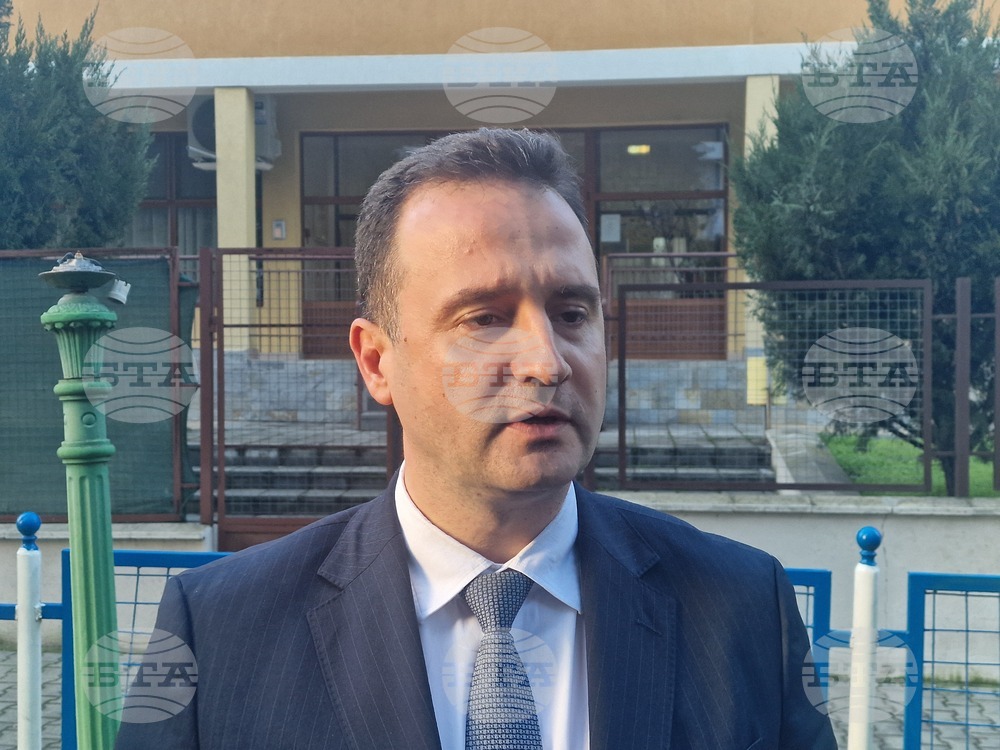
Electricity prices for household consumers in Bulgaria are among the lowest in the European Union, with the country traditionally competing with Malta and Hungary on this indicator, outgoing Energy Minister Zhecho Stankov said at a media briefing in Stara Zagora, Central Bulgaria, on Thursday.
His remarks came in response to claims by Continue the Change leader Assen Vassilev that high electricity prices are driving inflation in Bulgaria.
Stankov said that compared with countries such as Germany, Belgium and Denmark, household electricity prices in Bulgaria are about four times lower. He added that during the term of the current government, the increase in household electricity prices amounted to 2.58%, while during a period when Vassilev served as finance minister, cumulative price growth reached 12.2%.
Stankov accused Vassilev of previously made plans to move household consumers to market-based electricity prices as of July, which, in his words, would have led to a 61% increase in prices by December. "A household heating with electricity and paying BGN 200 would have paid BGN 320," he said.
The outgoing minister also stressed the importance of the Maritsa East coal complex for Bulgaria’s energy security and the economy of the Stara Zagora region. He recalled that there had been plans to shut down coal-fired power plants even during winter months, which would have affected around 10,000 directly employed workers and more than 40,000 indirectly employed people, commitments that were later renegotiated.
According to Stankov, Bulgaria has sufficient generation capacity and remains a net exporter of electricity. Current consumption ranges between 5,000 and 6,000 MW, well below the peak of 7,800 MW recorded in 2017. He said the country is expected to meet winter demand without the need for electricity imports.
Stankov noted that the state has supported both households and businesses through compensation for high electricity prices, covering costs above BGN 180 per MWh until March. Talks are currently under way with the European Commission to continue support for energy-intensive industries and producers of essential goods.
He also announced the launch of a decarbonization fund, which will allow for the renovation of both multi-family and single-family homes, as well as the installation of photovoltaic systems for self-consumption, with the aim of achieving lasting reductions in household electricity bills.
On the future of coal regions, Stankov said the European Commission has allocated BGN 404 million for land reclamation, along with additional funding for new economic activities and industrial zones to ensure employment in affected areas.
He added that moving household consumers to the free electricity market should not have a fixed deadline and should only take place after homes have been renovated and equipped with sufficient renewable energy sources to protect households from market volatility.
/RD/
news.modal.header
news.modal.text