Nature Restoration Law
![BSPB’s Dimitar Plachiyski: EU Nature Restoration Law Provides for Priority Measures for Habitats under Natura 2000]()
![BSPB’s Dimitar Plachiyski: EU Nature Restoration Law Provides for Priority Measures for Habitats under Natura 2000]() Photo: Bulgarian Society for the Protection of Birds
Photo: Bulgarian Society for the Protection of Birds
site.btaBSPB’s Dimitar Plachiyski: EU Nature Restoration Law Provides for Priority Measures for Habitats under Natura 2000
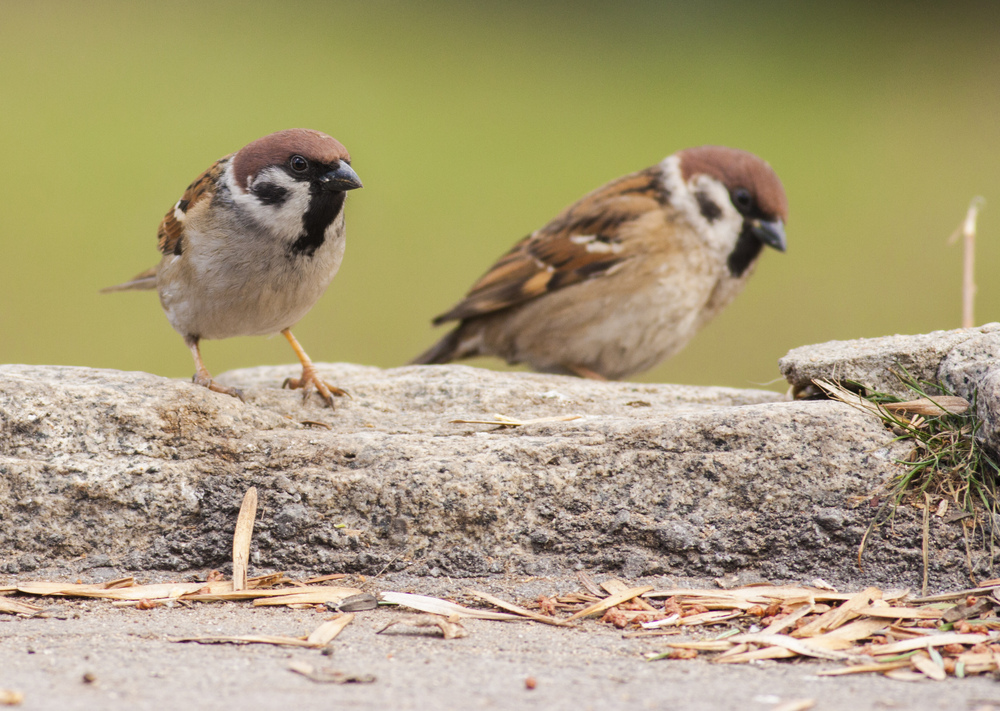
In recent years, the term “climate chaos” has increasingly been used to describe climate change, which has a negative impact on all living organisms, including birds, said Dr. Dimitar Plachiyski of the Bulgarian Society for the Protection of Birds (BSPB) in an interview with BTA.
According to him, a clear increase in global temperatures has been recorded, with 2024 and 2025 marking peaks in the warming of the Earth’s surface and oceans, as well as in ice melt. These processes are leading to the destruction and severe degradation of natural habitats and to an increase in extreme climate events, which are already being observed in Bulgaria as well, he noted.
One of the key instruments at the European Union level for mitigating climate change and halting biodiversity loss is the Nature Restoration Regulation, adopted in 2024, Plachiyski told BTA’s “EU Law BG” section. By 2030, priority will be given to the restoration of habitats within the pan-European ecological network Natura 2000.
Under the regulation, member states, including Bulgaria, must prepare national plans setting out specific measures for biodiversity restoration. They are also required to monitor and report progress based on clearly defined indicators. Agriculture is among the sectors with the most significant impact on nature, Plachiyski noted.
One of the key indicators is the Farmland Bird Index, which shows that since 2005 the number of such birds in Bulgaria has declined by 41%. The reasons are linked to the plowing of grasslands, their conversion into arable land, the use of pesticides, as well as the removal of shrubs and field margins. This makes it more difficult for birds to find food and leads to changes in the habitats of many species.
The specific impact of climate change can be clearly observed in a number of bird species in the country, Plachiyski noted. Due to warmer winters and the lack of lasting snow cover, the number of wintering geese has declined significantly. “About 25 years ago, we counted over 20,000 geese at the Pyasachnik Reservoir. At present, the number of greater white-fronted geese there is between 200 and 500 individuals,” he said.
Another case is of the red-breasted goose. In the late 1990s and during the 2010–2013 period, Bulgaria hosted up to 97% of the global population of this endangered species during the winter. In recent years, however, due to the lack of snow cover and conservation measures taken along the species’ migration route north of the country, these birds now barely reach Bulgaria.
The growing number of natural wildfires in the Balkans and in the country also has a serious negative impact on birds and biodiversity, Plachiyski said. An additional factor is the decreasing availability of freshwater in nature.
According to him, in order to achieve real progress in nature restoration, the national plan must be aligned with other strategic documents, including plans for agricultural and rural development and national renewable energy plans. Such coordination is also envisaged in the regulation itself, he added.
Regarding renewable energy, Plachiyski said that the expansion of so-called “green” energy production often comes at the expense of disrupting natural ecosystems. “A broad public debate is necessary when there is a mismatch between the development of renewable energy sources and the conservation of species’ habitats,” he said. According to conservationists, the construction of wind and solar parks on agricultural land and in forests undermines the ecological rationale of renewable energy.
Plachiyski further emphasized that although the share of energy from renewable sources is increasing, this has not been accompanied by a sufficiently substantial reduction in the use of fossil fuels, which hinders the achievement of sustainable development.
At the national level, member states are bound by specific deadlines for implementing the Nature Restoration Regulation. National plans must be submitted to the European Commission by 1 September 2026. Within six months, Brussels will return comments and recommendations, after which countries will have an additional six months to reflect and integrate them into their strategic documents.
/PP/
news.modal.header
news.modal.text