site.btaBulgarian National Bank's International Currency Reserves Total EUR 40.7 Bln at End-June
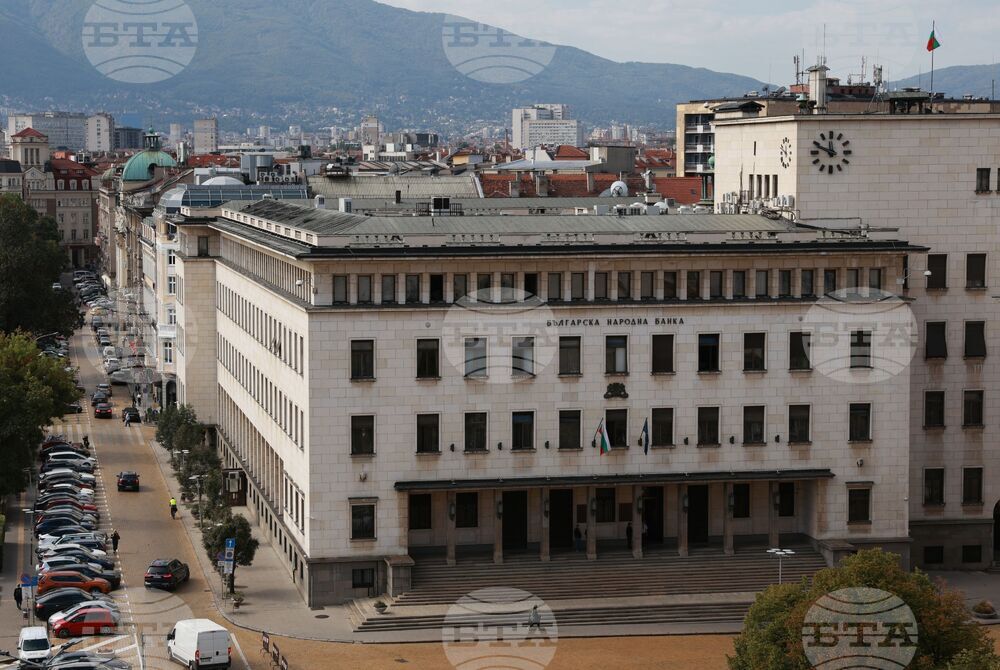
The balance sheet value of the Bulgarian National Bank's international currency reserves stood at EUR 40.754 billion at the end of June, according to a semiannual report published on the bank's website. This is down by EUR 1.301 billion compared with the end of 2024, or a 3.1% decline as a share of the BNB's foreign currency assets.
The key factors driving changes in the balance sheet value of the assets are external foreign currency flows and revenue from the management of the foreign currency reserves.
The decrease in the international currency reserves in the first half of 2025 was largely due to external foreign currency flows, which were net negative at EUR 941 million. The largest negative contribution from outflows, a total of EUR 5.082 billion, came from net sales of reserve currency to commercial banks and in cash.
The largest inflows were funds credited to government and other depositor accounts at the BNB, totalling EUR 4.341 billion. These primarily resulted from funds raised through EUR 3.934 billion in debt issued by the Ministry of Finance on international markets in early May, and revenue on accounts of the European Commission and the Ministry of Environment and Water, according to the report.
Commercial banks' accounts at the BNB, which hold the required minimum reserves, recorded a net outflow of EUR 200 million in the first half of the year.
In the first half of 2025, there were no significant changes in the structure of gross international reserves by currency compared to 2024. Assets held in euro declined by 2.6 percentage points, while those in gold and US dollars rose by 1.8 and 0.8 percentage points, respectively. These changes were driven by fluctuations in exchange rates against the euro as well as by external currency flows.
By financial instrument, cash balances in current accounts increased by 4.5 percentage points and deposits placed with the BNB rose by 3 percentage points, offsetting a 7.5 percentage point decline in the BNB's holdings of securities, the semiannual report says.
The BNB's gross international reserves consist of the assets recorded on the Issue Department's balance sheet and serve to fully cover the monetary liabilities at the fixed BGN/EUR exchange rate, as established by the BNB Act.
With Bulgaria's accession to the euro area on January 1, 2026, the BNB will no longer be required to maintain the stability of the national currency by buying and selling foreign currency on demand. This key change in the monetary framework will allow the BNB to redefine its investment objectives regarding the management of its own reserves, including those denominated in foreign currencies. The new BNB Act, effective January 1, 2026, provides the central bank with broader investment options for managing its reserves.
Upon joining the Eurosystem, the BNB will transfer to the ECB foreign reserve assets other than the currencies of euro area Member States, along with euro-denominated reserve positions at the International Monetary Fund and special drawing rights. Contributions to the overall currency reserve will be proportional to each national central bank's share in the ECB's subscribed capital and will be accounted for as a claim on the ECB. Based on a preliminary assessment by the BNB at the end of May 2025, the BNB will transfer to the ECB international foreign currency reserves equivalent to about EUR 1.28 billion.
The BNB will continue to hold and manage its own reserve assets which are outside the scope of assets used for monetary policy purposes.
/VL/
news.modal.header
news.modal.text