site.btaEC Approves Bulgarian State Aid to Shield Energy-Intensive Industries from High Electricity Costs
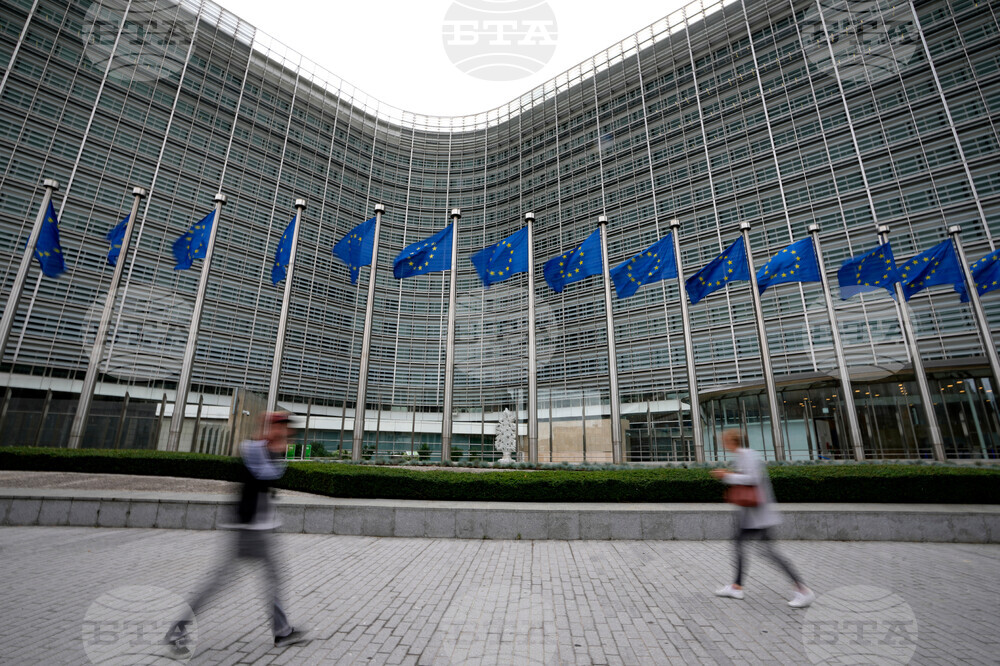
European Commission announced Thursday that it has approved a major Bulgarian state aid scheme aimed at shielding energy-intensive industries from high electricity costs, while tying the support to investments in greener production.
The Bulgarian programme, worth EUR 334 million, will provide temporary electricity price relief to companies in sectors such as manufacturing and heavy industry that face high energy use and strong international competition. The measure is designed to run from July 2025 through June 2028.
Under the scheme, eligible companies will see reductions directly on their monthly electricity bills, with the aid distributed via suppliers. The goal is to ease cost pressures at a time when European firms risk relocating to regions with weaker environmental standards.
The Commission simultaneously approved similar programmes in Germany (EUR 3.8 billion) and Slovenia (EUR 90 million), highlighting a coordinated EU effort to support industry during the green transition.
A key condition of the Bulgarian aid is that companies must reinvest at least half of the support they receive into decarbonization measures. This includes upgrading equipment, improving energy efficiency, or adopting cleaner technologies - but not expanding fossil fuel use.
The Commission said the scheme meets the requirements of its Clean Industrial Deal State Aid Framework, which allows member states to cushion industries from short-term energy costs while accelerating the shift to a net-zero economy.
Officials in Brussels emphasized that the support is both temporary and targeted. It will cover electricity consumption for up to three years, with a minimum price threshold of €50 per megawatt hour, ensuring companies still face incentives to reduce energy use.
For Bulgaria, the measure is expected to play a critical role in maintaining industrial competitiveness, particularly in sectors vulnerable to "carbon leakage", where companies might otherwise move production outside the EU.
At the same time, the reinvestment requirement is intended to ensure that public funds contribute directly to long-term structural change - aligning immediate economic relief with climate goals.
/NF/
news.modal.header
news.modal.text