Wrap-up
![Socialists Urge Active Bulgarian Role in Shaping EU Budget 2028–2034]()
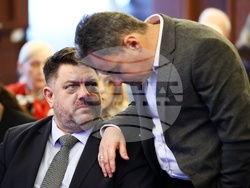
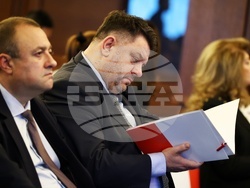
![Socialists Urge Active Bulgarian Role in Shaping EU Budget 2028–2034]() Left to right: Minister of Regional Development and Public Works Ivan Ivanov, Deputy Prime Minister and Bulgarian Socialist Party Chair Atanas Zafirov at the "Bulgaria and the New European Budget for 2028–2034: Goals and Opportunities" public discussion, Sofia, December 8, 2025 (BTA Photo/Minko Chernev)
Left to right: Minister of Regional Development and Public Works Ivan Ivanov, Deputy Prime Minister and Bulgarian Socialist Party Chair Atanas Zafirov at the "Bulgaria and the New European Budget for 2028–2034: Goals and Opportunities" public discussion, Sofia, December 8, 2025 (BTA Photo/Minko Chernev)
![„България и новият европейски бюджет 2028-2034: цели и възможности” - дискусия]()
![„България и новият европейски бюджет 2028-2034: цели и възможности” - дискусия]()
![„България и новият европейски бюджет 2028-2034: цели и възможности” - дискусия]()
![„България и новият европейски бюджет 2028-2034: цели и възможности” - дискусия]()
![„България и новият европейски бюджет 2028-2034: цели и възможности” - дискусия]()
![„България и новият европейски бюджет 2028-2034: цели и възможности” - дискусия]()
![„България и новият европейски бюджет 2028-2034: цели и възможности” - дискусия]()
![„България и новият европейски бюджет 2028-2034: цели и възможности” - дискусия]()
![„България и новият европейски бюджет 2028-2034: цели и възможности” - дискусия]()
![„България и новият европейски бюджет 2028-2034: цели и възможности” - дискусия]()
![„България и новият европейски бюджет 2028-2034: цели и възможности” - дискусия]()
![„България и новият европейски бюджет 2028-2034: цели и възможности” - дискусия]()
![„България и новият европейски бюджет 2028-2034: цели и възможности” - дискусия]()
![„България и новият европейски бюджет 2028-2034: цели и възможности” - дискусия]()
site.btaSocialists Urge Active Bulgarian Role in Shaping EU Budget 2028–2034
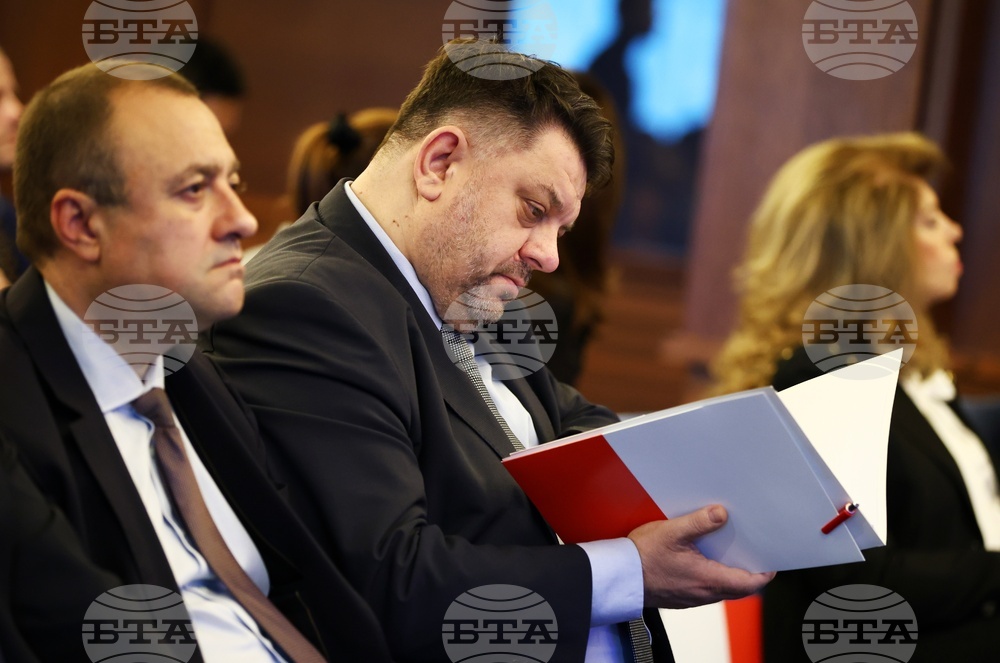
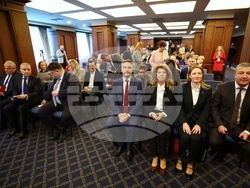
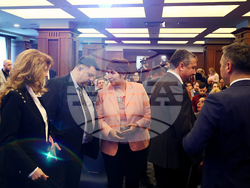
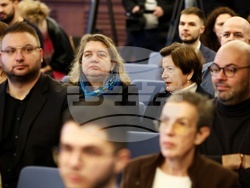
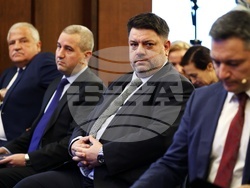
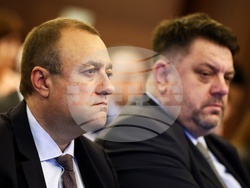
A public discussion titled Bulgaria and the New European Budget for 2028–2034: Goals and Opportunities was held at the Grand Hotel Sofia on Monday. The discussion focused on the next long-term EU budget for 2028–2034, which will set the direction for the Union’s development over the coming decade. The forum, organized by the delegation of Bulgarian Socialists in the European Parliament, brought together representatives of European institutions, the executive and legislative branches, local governments, academia and the expert community.
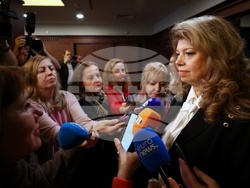
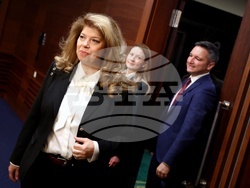
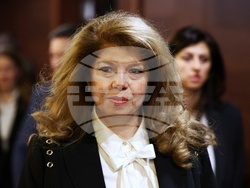
Speaking to journalists on the sidelines of the forum, Vice President Iliana Iotova noted that this is the first forum that opens the conversation on what the next Multiannual Financial Framework, or the next EU budget, will look like.
Addressing the forum, Deputy Prime Minister and Bulgarian Socialist Party Chair Atanas Zafirov said that for socialists, the European budget is a battle for justice in a united Europe and that it should be based on the principle of social justice. Of particular concern for him is the expected decline in the percentage of cohesion funds, which is set at around 11%, potentially the lowest in EU history. He added that cohesion is the EU's strongest tool for its regions and Bulgaria must not allow itself to become peripheralized due to a lack of cohesion. Zafirov stressed that cutting cohesion funding sends the political message that everyone should fend for themselves. He also touched on the topic of new taxes and fees being prepared at the European level, emphasizing that these could burden countries with lower incomes. Europe needs a strong defence and that he supports the strengthening of European security, Zafirov said, adding that this must encompass more than just weapons but also focus on infrastructure, jobs, the economy, populated regions and ensuring that farmers do not go bankrupt.
MEP Kristian Vigenin stressed that it is crucial for Bulgaria to engage early and actively in the debate on the EU’s new multiannual financial framework. He noted that Bulgaria is one of the largest beneficiaries of EU funding in relative terms, with the total amount received since Bulgaria joined the EU far exceeding the country’s contributions. According to Vigenin, these funds are vital for infrastructure, regional development, the green transition, and rural support. He stressed the need to defend a strong cohesion policy that promotes convergence in less developed regions, secure sufficient funding for agriculture and rural development, help farmers adapt to climate and market challenges, and ensure that investments in the green and digital transitions generate quality jobs without leaving people or regions behind. Vigenin further said that the EU’s multiannual financial framework reflects its political vision for the next decade, with the European Commission’s (EC) July 16 proposal setting a seven-year budget of around EUR 2 trillion, or 1.26% of the EU’s GNI. While it represents a nominal increase, Vigenin noted it falls short of meeting Europe’s challenges, raising concerns within the Socialists and Democrats Group about insufficient funding, potential erosion of cohesion funds and the Common Agricultural Policy, and a lack of genuine EU resources. He stressed the need for fair, progressive revenue streams, such as contributions from large corporations and polluters, to avoid overburdening national budgets, and called for clearer attention to social priorities, including poverty reduction, quality jobs, public services, housing, and youth measures.
The Minister of Regional Development and Public Works, Ivan Ivanov, said that he sees the reform of the EU's multiannual financial framework as an opportunity for Bulgaria to accelerate its transformation, potentially through modern infrastructure, innovation, support for small businesses, and the development of service connectivity, human capital, and regional quality of life. Ivanov said that the reform proposed by the EC will be measured not only by the percentage of funds invested but also by tangible improvements, including the transformation of towns and villages, the creation of new jobs, enhanced services, and better opportunities for young people nationwide. He expressed hope that these reforms will further improve prospects, particularly after Bulgaria joins the eurozone on January 1. Ivanov also said that the EU's multiannual financial framework should be considered in the context of Bulgaria’s national budget. He added that, given the political turmoil witnessed in recent years, it would be challenging for the state to defend its interests before the EC and that preparing future operational programmes will be extremely difficult.
/NF/
Additional

news.modal.image.header
news.modal.image.text
news.modal.download.header
news.modal.download.text
news.modal.header
news.modal.text