site.btaIt Is Crucial for Bulgaria to Take Active Part in Debate on EU's New Multiannual Financial Framework - MEP Vigenin
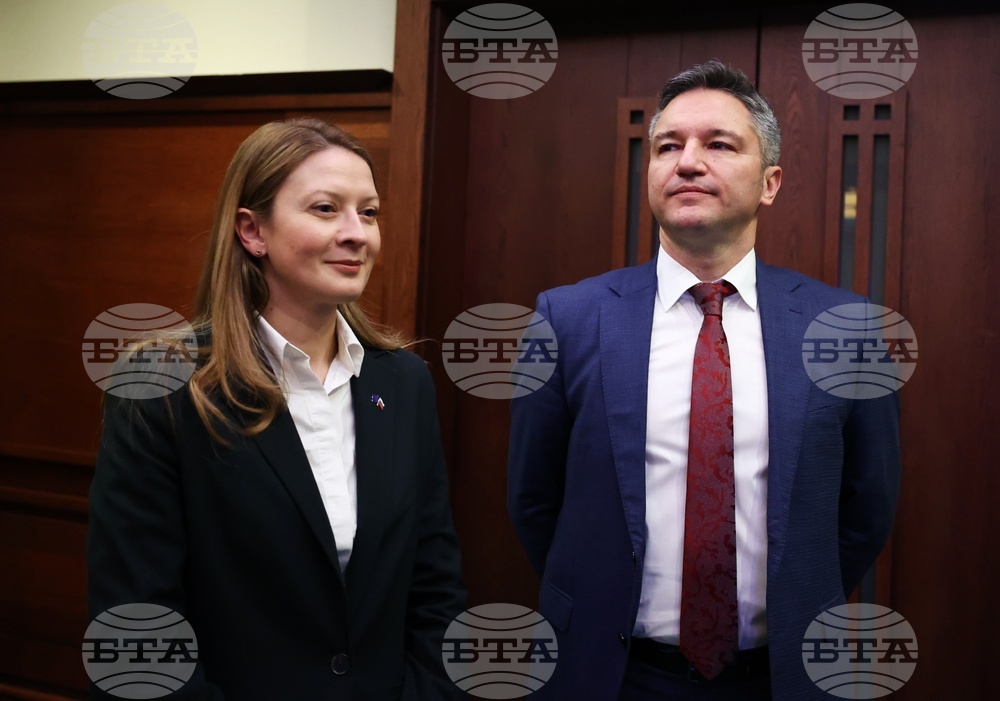
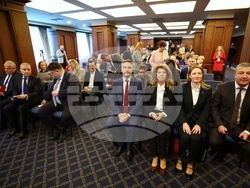
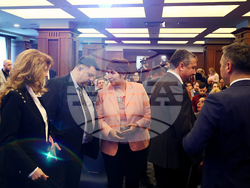
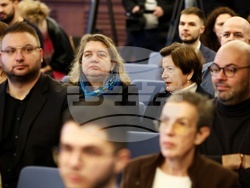
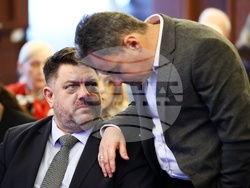
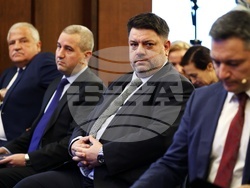
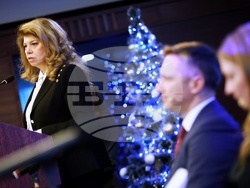
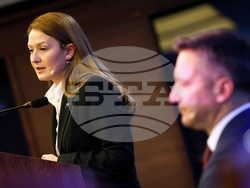
MEP Kristian Vigenin Monday said that it is crucial for Bulgaria to engage early and actively in the debate on the EU’s new multiannual financial framework. He spoke at the opening of a public discussion titled Bulgaria and the New European Budget for 2028–2034: Goals and Opportunities, organized in Sofia by the Delegation of Bulgarian Socialists to the European Parliament. "If we, in Bulgaria, define our priorities in time, build alliances, and speak in a clear voice, we can help shape a European budget that delivers for our citizens and supports a stronger, more united, and more effective Europe," Vigenin said.
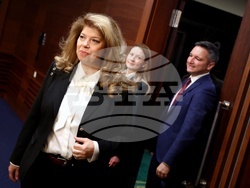
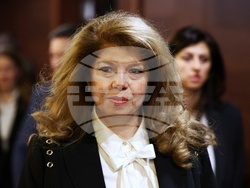
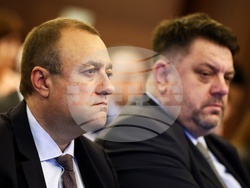
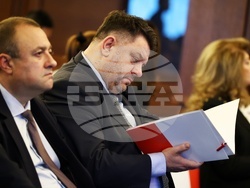
The discussion focused on the next long-term EU budget for 2028–2034, which will set the direction for the Union’s development over the coming decade. Vice President Iliana Iotova and Deputy Prime Minister Atanas Zafirov also took part in the forum.
Vigenin said that Bulgaria is one of the largest beneficiaries of EU funding in relative terms. The total amount received since Bulgaria joined the EU far exceeds the country’s contributions, he noted. These funds are essential for infrastructure, regional development, the green transition, and support for rural areas, the MEP added.
He noted that this is why Bulgaria must take an active part in the debate on the new multiannual financial framework. It is important to defend a strong cohesion policy that promotes convergence, particularly in less developed regions; to secure adequate funding for agriculture and rural development; to help farmers adapt to climate and market pressures; and to ensure that investments related to the green transition and the digital transition come to Bulgaria in ways that create quality jobs and do not leave people or regions behind, the MEP said.
Vigenin added that the multiannual financial framework reflects the EU’s political vision of what kind of Europe it aspires to be and what it is willing to invest to achieve its goals. He recalled that on July 16 this year, the European Commission presented its proposal for the next seven-year budget - some EUR 2 trillion, or roughly 1.26% of the EU’s gross national income. In his words, the proposal prioritizes competitiveness, defence and security, the green transition and the digital transition, and cohesion policy aimed at reducing regional disparities. While it represents a nominal increase compared to the current framework, it does not signal a significant change in ambition and still falls short of what is required to address the challenges ahead, Vigenin noted.
The MEP said that the Socialists and Democrats Group in the European Parliament has several major concerns, adding that the EU budget must serve as a driver of social justice. "The overall ceiling remains too low and we can expect more of the EU's budget - from supporting security and defence to climate policies, from industrial transition to migration - without additional resources," he added. Another concern is the potential erosion of traditional policies vital to citizens, such as cohesion funds and the Common Agricultural Policy. Any attempt to shift resources away from poorer regions or farmers to new priorities would be unacceptable, he added.
The Socialists and Democrats also argue that the proposal does not go far enough in establishing genuine EU resources, Vigenin said. Without fair and progressive new revenue streams - for instance, contributions from large corporations and polluters - the burden will continue to fall mainly on national budgets, limiting the EU’s capacity to act, Vigenin added. He noted that social priorities must be more clearly addressed, including the fight against poverty, support for quality jobs, investment in public services, housing policy, and measures for young people.
/VL/
Additional
news.modal.image.header
news.modal.image.text
news.modal.download.header
news.modal.download.text
news.modal.header
news.modal.text