site.btaSample by Bulgarian Athlete Lalova-Collio Tests Positive for Anabolic Steroids
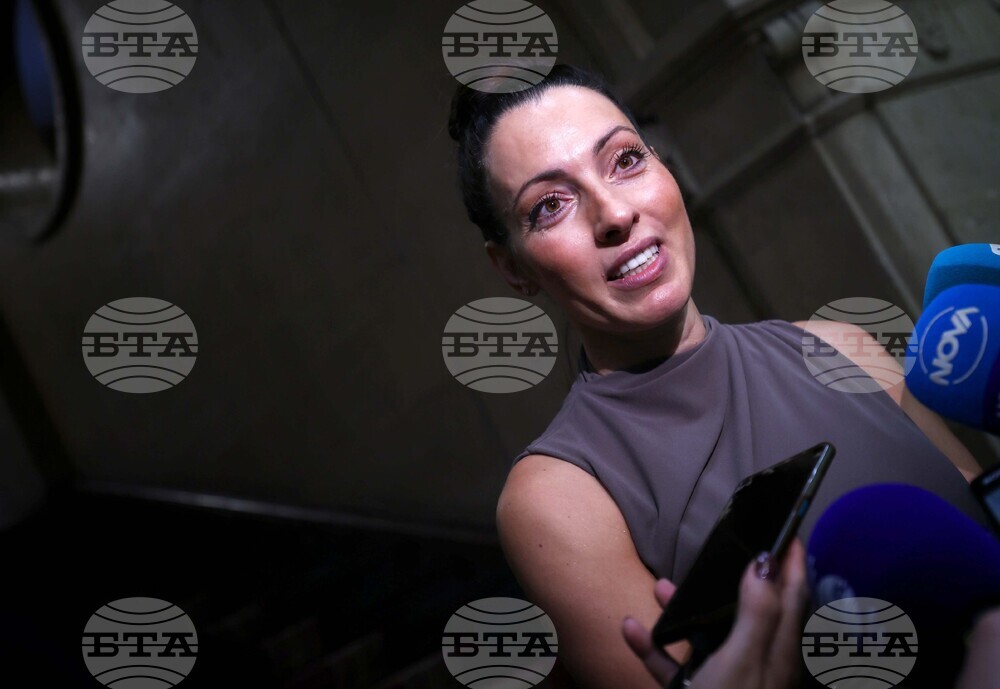
A sample provided by the Bulgarian track and field athlete Ivet Lalova-Collio on August 17, 2016, returned adverse analytical findings for ostarine glucuronide after re-analysis was conducted, the International Testing Agency (ITA) reported on Thursday. Lalova-Collio competed in the women sprint 200 metres event at the 2016 Summer Olympics where she finished 8th.
Ostarine is a selective androgen receptor modulator that acts anabolically on bone and muscle tissue, contributing to muscle mass gain and protection from injury.
Lalova-Collio was one of seven Olympic athletes who competed in Rio 2016 and whose samples tested positive for the presence of anabolic steroids, which were prohibited under the 2016 World Anti-Doping Agency (WADA) Prohibited List and continue to be prohibited today. The other six Olympians are Egyptian weightlifters Esraa Elsayed Rashed Elsayed Ahmed and Ahmed Saad, Brazilian judoka Rafael Augusto Buzacarini, Belarussian wrestler Soslan Daurov, Lithuanian weightlifter Aurimas Didzbalis, and Uzbek weightlifter Ivan Efremov.
The samples were first analysed during the Olympic Games Rio 2016 and were reported as negative with the detection methods applied by the WADA-accredited laboratory available at the time. The majority of these positive re-analysis results are mainly due to technical advances, including the development of new detection methods and improvements in analytical sensitivity for the detection of new steroid metabolites, which were not available at the time of the initial analysis. The re-analysis of the samples was conducted by the WADA-accredited laboratories of Lausanne, Switzerland, and Cologne, Germany, the ITA reported.
The seven athletes have been informed of their respective cases. They each have the right to request the analysis of their B-sample. If the B-sample analysis is requested and confirms the result of the A-sample, or if the B-sample analysis is not requested, the cases will proceed as a confirmed anti-doping rule violation. The athletes have the opportunity to present explanations for the positive results. The athletes will also be provisionally suspended by their respective international federation pending the results management proceedings of their cases in accordance with the respective anti-doping regulations.
The ITA will thereafter refer the matter by to the Court of Arbitration for Sport Anti-Doping Division for adjudication under the International Olympic Committee Anti-Doping Rules.
41-year-old Lalova-Collio ended her competitive career a few years ago. If her test is confirmed, her results from 2016 to 2020 could be annulled. She has no medals from major championships during that period. Her latest honours are the silver medals in the 100 and 200 m from the 2016 European Athletics Championships in Amsterdam, which were held a month before the Rio Games.
During her career, the Bulgarian athlete has won the European title in the 100 m at the 2012 European Athletics Championships in Helsinki, as well as gold from the 200 m at the 2005 European Athletics Indoor Championships in Madrid. Eight years later, she won bronze from the same tournament in Gothenburg. She has participated in five Olympic Games.
/RY/
news.modal.header
news.modal.text