site.btaBulgaria Marks One Year as Full Schengen Member
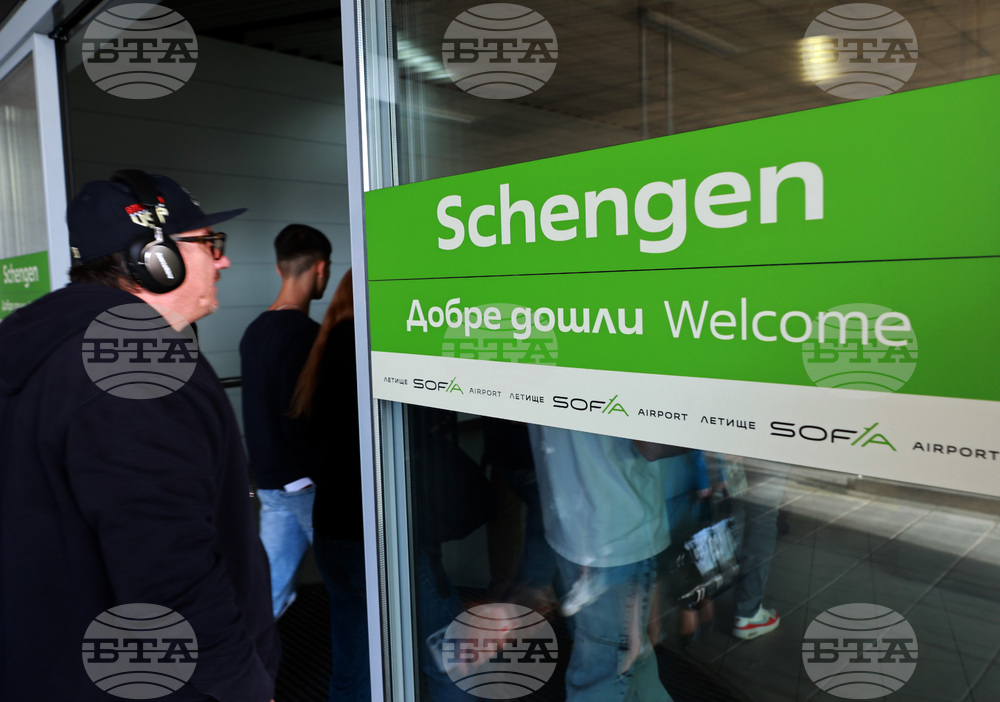
On January 1, 2026, Bulgaria marks one year since becoming a full member of the Schengen Area. On December 12, 2024, the Council of the European Union decided to lift checks at the land Schengen borders of Bulgaria and Romania. Bulgaria and Romania had waited to accede Schengen since 2010, when the EU Council confirmed that they had met the legal requirements. In the years that followed, despite this assessment and repeated calls by the European Commission (EC) and the European Parliament (EP), the necessary unanimity in the Council of the EU was not achieved.
As of March 31, 2024, both Bulgaria and Romania have been fully applying the Schengen acquis. Controls at the internal air and maritime borders with Bulgaria and Romania were also removed from that date. This decision was taken during the Spanish Presidency of the Council of the EU on December 30, 2023.
On January 1, 2025, Bulgaria became a full member of the Schengen Area.
Despite concerns that Bulgaria’s accession to Schengen and the removal of border controls would lead to increased migratory pressure, this did not happen. On December 22, the Director of the Border Police, Chief Commissioner Anton Zlatanov, reported that in 2025 there was a 70% decrease in migratory pressure, a significant increase in detected smuggling-related crimes, a record number of dismantled criminal groups involved in migrant trafficking, and other positive results.
“We are seeing out the first year since Bulgaria was admitted to the Schengen Area by land as well. In doing so, we have ensured economic prosperity for our country, and while others are resting, you are out there protecting the borders,” Chief Commissioner Zlatanov said, addressing officers of the directorate.
In October 2025, the Council of Ministers approved the establishment of a National Mechanism for Coordination and Control of the implementation of the Schengen acquis in Bulgaria.
The new mechanism will carry out continuous monitoring of the effective and correct implementation of Schengen legislation in Bulgaria. It will include senior political-level representatives from all institutions involved in applying Schengen rules.
Among the mechanism’s main tasks are resolving coordination issues, taking follow-up measures based on findings and recommendations from Schengen evaluations, and strengthening the country’s administrative capacity for full participation in Schengen cooperation. The mechanism will be headed by a national Schengen coordinator - the Deputy Minister of the Interior responsible for EU affairs. Its work will be supported by six thematic groups, led by the relevant structures within the Ministry of Interior and other agencies. The establishment of the mechanism aims to ensure consistency and continuity in implementing the Schengen acquis in Bulgaria.
A few days later, Minister of Interior Daniel Mitov said that Bulgaria will soon undergo its first periodic Schengen evaluation as a full member. “We expect positive results that will demonstrate the excellent preparedness of our personnel in applying Schengen legislation.”
According to him, Schengen contributes to economic development, the transport sector, and tourism, facilitates the movement of goods, and helps promote Bulgaria as a tourist destination. He added that the positive effects will have a long-term impact and are expected to grow over time.
/PP/
news.modal.header
news.modal.text