site.btaBulgaria Launches First Stage of National Anti-AIDS Campaign
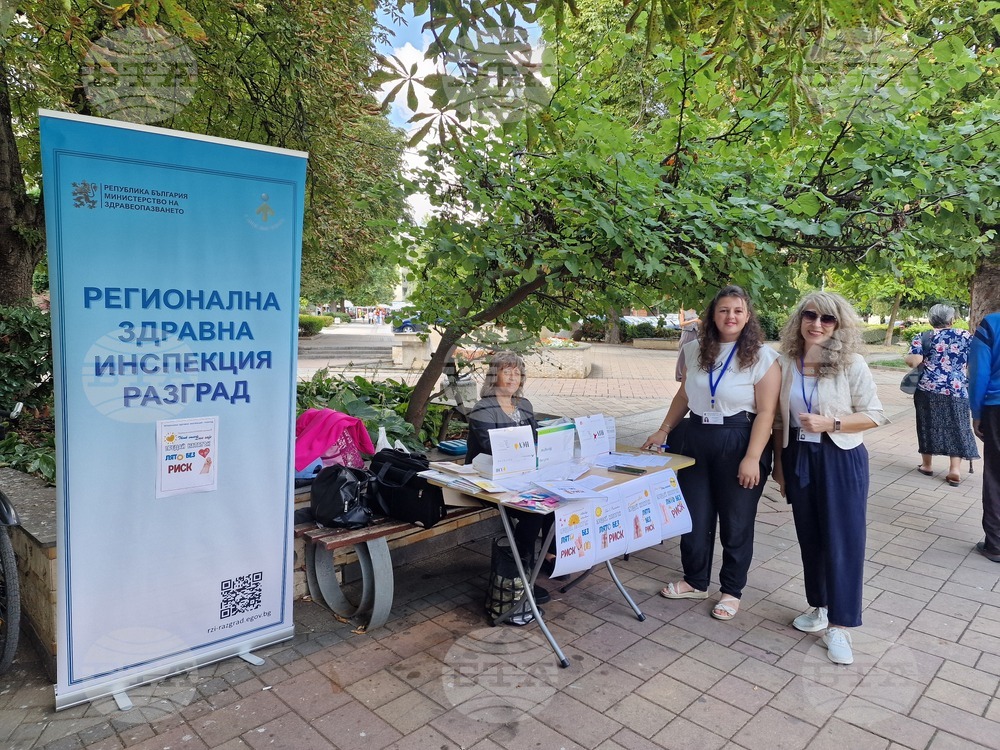
The first stage of Bulgaria's National Anti-AIDS Campaign started as usual on World AIDS Day, December 1, with initiatives across the country, the Health Ministry said on Facebook. This year the first stage is themed "Don't say that! Talk facts about HIV!".
Free testing, counselling and educational events were organized in all the regional capitals. Teams from the Regional Health Inspectorates and volunteers from the Bulgarian Red Cross Youth visited schools, universities and youth groups, held themed discussions and distributed information materials and protective supplies. Educational videos shared via the Health Ministry's TikTok channel have reached thousands of viewers.
Mobile clinics and temporary testing points were set up in many towns, offering anonymous free rapid tests for HIV, hepatitis B and C, and syphilis.
The next stages of the campaign will be marked on February 14, on the third Sunday of May and in August. In the year until November 21, 297,635 people had their HIV status tested and 274 new HIV cases were registered, the Health Ministry said recently. Since 1986, a total of 4,835 HIV-positive people were identified in Bulgaria until this past December 1.
Newly infected men continue to outnumber newly infected women by a wide margin, with the male-to-female ratio in 2025 standing at 5.4:1, the Ministry of Health said. According to the Ministry, 93% of new cases were sexually transmitted and 6.2% through injecting drug use.
The Health Ministry's National Anti-AIDS Campaign traditionally runs in four stages each year: it opens on December 1, followed by initiatives around February 14; International AIDS Candlelight Memorial, held on the third Sunday of May; and a summer stage in August focused on risky sexual behaviour and testing at busy public locations.
In 2025, the first stage is held under the motto "Don't say that! Talk facts about HIV!", used nationwide by the Health Ministry and Regional Health Inspectorates to counter stigma and misinformation by promoting verified information on transmission, prevention and treatment. This theme is set to remain in place for 2026 to ensure continuity across information and screening campaigns.
Bulgaria registered 274 new HIV cases in the year to November 21, up from 254 a year earlier, according to data from the National Centre of Infectious and Parasitic Diseases. The Health Ministry reported in August that nearly 200,000 people had been tested for HIV in 2025, with 185 new cases recorded at that point.
A total of 2,632 HIV-positive individuals are currently monitored within the national treatment system, and 99% of them receive fully reimbursed antiretroviral therapy.
/КТ/
news.modal.header
news.modal.text