site.btaFewer Cases but Still High Caseload for Supreme Court Judges in 2025
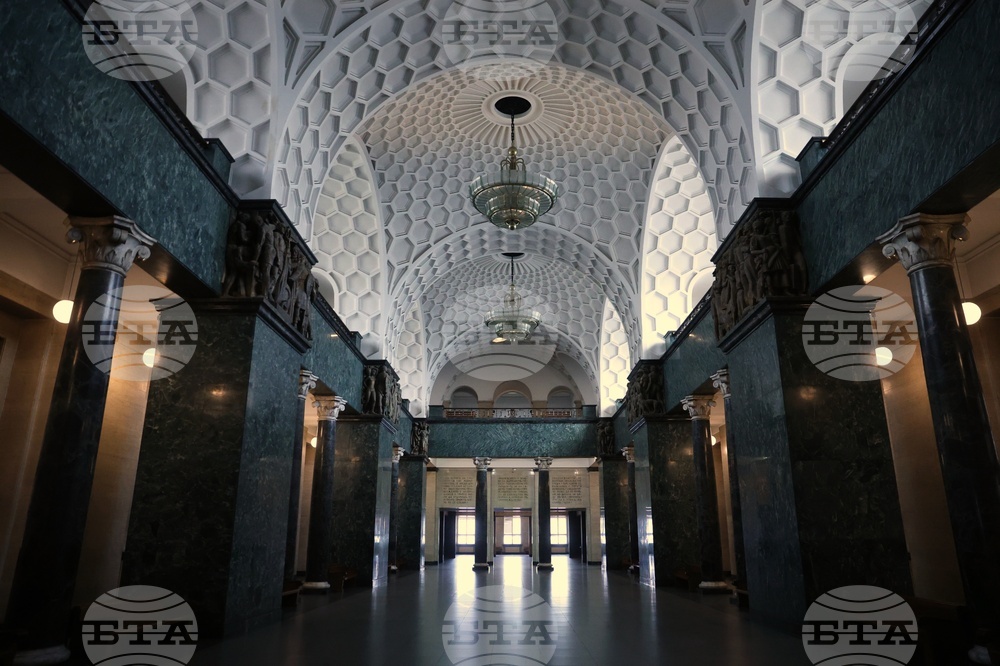
Judges' caseload at the Supreme Court of Cassation (SCC) remained high in 2025 despite a certain decrease in the number of cases referred to, and pending before, the SCC, its Annual Report says.
At 4,602, the cases left undisposed of from the previous year by January 1, 2025 were 617 fewer than the 5,219 in 2024. A total of 8,766 cases were referred to the SCC in 2025, or 200 fewer than the 8,966 in 2024. The number of cases pending in 2025 was 13,368, or 817 fewer than the 14,185 in 2024.
The 4,066 cases left undisposed of by December 31, 2025 are an indication of a greater celerity of the administration of justice at the SCC, considering that such cases were 4,602 in 2024 or 536 more, 5,219 in 2023, 5,038 in 2022, and 4,983 in 2021.
The availability of human resources at the SCC improved in 2025, with 104 of the 122 judges' posts being filled by December 31 whereas 15 judges were seconded from other courts. By comparison, judges held as few as 93 full-time jobs at the end of 2024.
In 2025, all courts in Bulgaria excluding the administrative one but including the SCC disposed of 509,979 cases in aggregate. In 417,625 of these, a decision on the merits was issued, whereas 87,714 proceedings were terminated. At 520,631, the cases disposed of in 2024 were 10,652 more (422,396 by a court decision on the merits and 93,519 dismissed).
A total of 120,116 cases remained pending before all courts (including the SCC) by December 31, 2025.
The report says further that a detailed legal framework on magistrates' secondment is still lacking despite a number of initiatives launched and working groups formed at the Ministry of Justice. The revision of the Judicial System Act should be bound to a change in the framework on the conduct of promotion competitions because their excessive length under the effective regulation and their fitful planning in response to necessity require long-term secondment, without which the operation of the SCC would be practically blocked, the Annual Report points out.
/LG/
news.modal.header
news.modal.text