site.btaBusiness Withholds Support, Trade Unions Back Anti-High Price Amendments
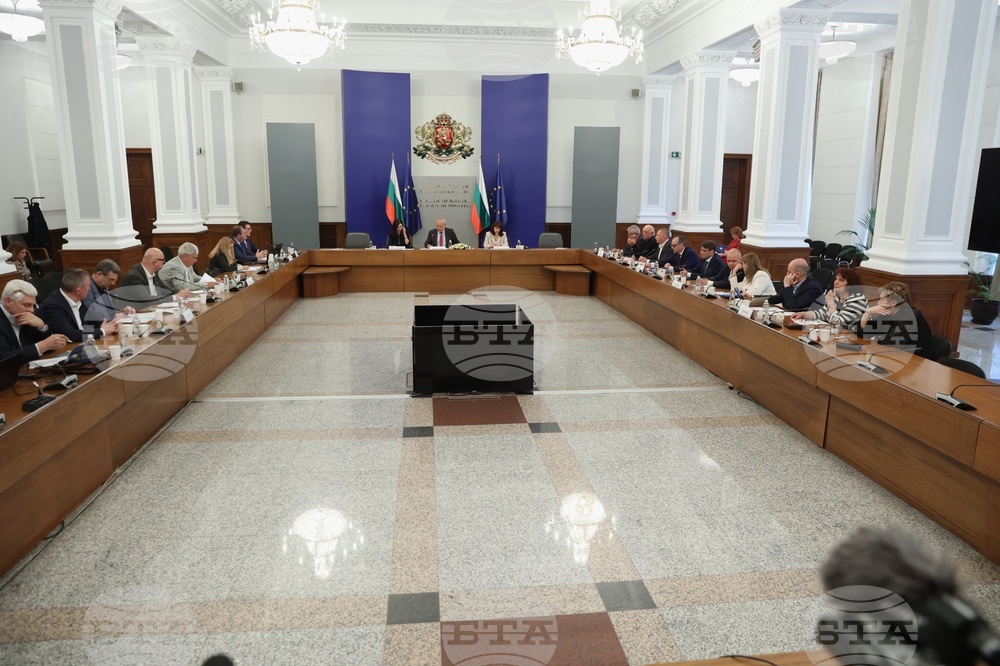
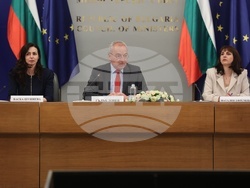
The National Council for Tripartite Cooperation discussed on Tuesday draft amendments to the Protection of Competition Act and the Consumer Protection Act related to high prices of goods and services. Employers’ organizations said they were refraining from supporting the proposals, citing legal ambiguities, risks of administrative interference in market mechanisms, and increased regulatory and reporting burdens on businesses. Trade unions expressed support on principle for the proposals as a tool to curb unfair practices and price imbalances, while calling for more precise wording, clearer definitions, and effective safeguards for competition and consumer protection.
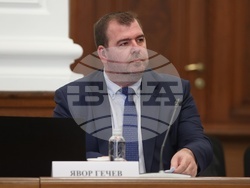
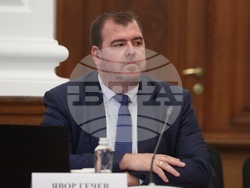
The draft legislation was presented to the Council by Progressive Bulgaria MP Yavor Gechev, who co-sponsored the bills . He stressed that the aim was to limit market distortions and unfair trade practices rather than impose direct price controls. He highlighted the introduction of rules concerning collective dominant position, the expansion of prohibited practices in the food sector, and the creation of a traceability register aimed at increasing transparency and improving oversight across the supply chain.
Bulgarian Industrial Capital Association (BICA) Management Board Chair Rumen Radev said the organization was refraining from supporting the two bills. According to him, they create legal uncertainty, including through reversed burden of proof, the possibility of administrative intervention in pricing, and vague concepts such as "excessively high prices." He called for clearer and more proportionate regulations. "The business community would support the legislative revisions that meet public expectations regarding the pricing of goods, provided that such changes do not distort the market or reinforce the notion that the merchant is always at fault," Radev noted. Employers' organizations might support the amendments if their comments are taken into account between the first and second readings, it also transpired from his words.
Dobri Mitrev of the Bulgarian Industrial Association (BIA) also said the organization was refraining from support, stressing the need for an in-depth assessment of the impact on businesses and the administrative burden. He called for the removal of the term "fair price," a more precise definition of economically unjustified price increases, and stronger safeguards for the protection of trade secrets. Mitrev said the BIA was ready for dialogue and proposals between the bills' first and second readings.
Confederation of Employers and Industrialists in Bulgaria (CEIBG) Executive Director Boyan Mitrakiev also said the organization was refraining from support and voiced concerns over legal ambiguities and the risk of turning the Commission for Protection of Competition into a price regulator. He stressed the need for clarity regarding powers and limiting the administrative burden on businesses.
Bulgarian Chamber of Commerce and Industry (BCCI) Vice President Vasil Todorov said the draft laws create significant uncertainty for economic operators. He focused on the lack of an impact assessment, the risk of overlapping administrative requirements and accumulating burdens, as well as ambiguities in the new definitions and the practical applicability of some of the proposed mechanisms.
Confederation of Labour Podkrepa President Dimitar Manolov expressed principle support for the two draft laws, but called for serious legal and technical refinement, better coordination with the Tax and Social Insurance Procedure Code and the National Revenue Agency, reduced administrative burden, clearer definitions, and improved public tools for monitoring prices. He stressed the need for better coordination among institutions, clear definitions, and alignment with existing mechanisms for monitoring prices and trade practices.
Confederation of Independent Trade Unions in Bulgaria (CITUB) President Plamen Dimitrov also expressed principle support as the draft revisions give regulators additional powers to influence the market, while insisting on more precise wording and clearer control mechanisms. He pointed to market concentration and unfair practices as factors behind price pressure and stressed the need for more active and effective regulatory intervention in defence of competition and consumers.
Following the positions expressed by trade unions and businesses, Progressive Bulgaria MP Konstantin Prodanov said that some of the texts in the bills would be revised between the first and second readings, including the proposed threshold of around EUR 5 million, which he said was excessively high. He stressed the need to refine wording related to the concept of economic independence and interdependence between enterprises, as well as for clearer differentiation between the various hypotheses set out in the texts.
/IV/
Additional
news.modal.image.header
news.modal.image.text
news.modal.download.header
news.modal.download.text
news.modal.header
news.modal.text