site.btaEuro Adoption in Bulgaria Has Limited Impact on Consumer Prices, ECB Analysis Shows
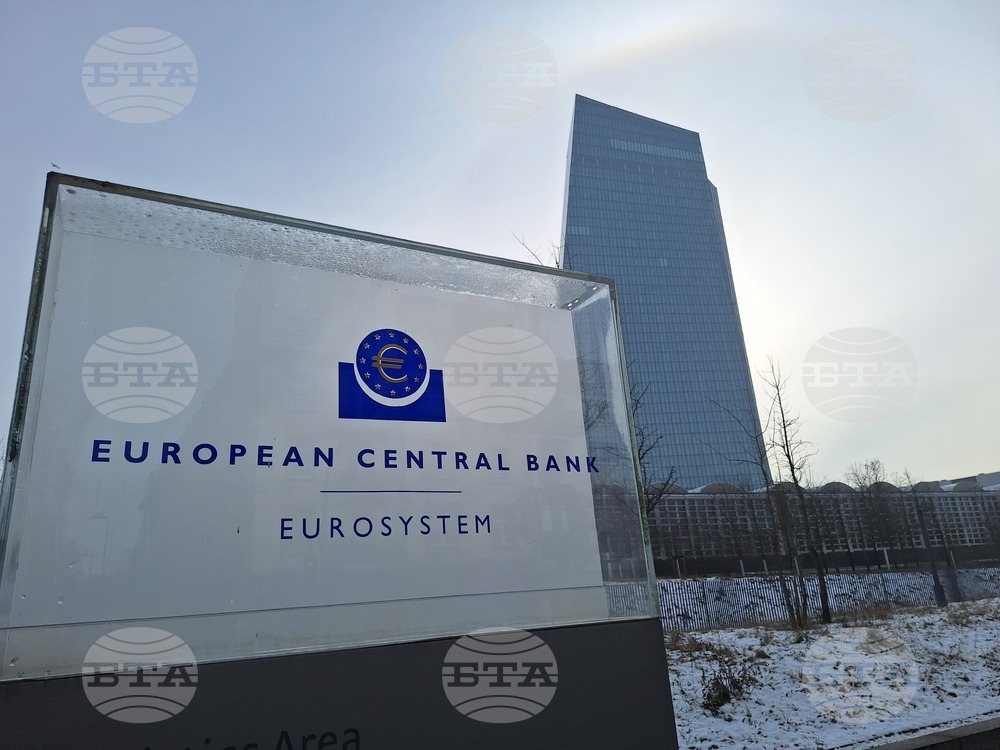
Bulgaria’s transition from the lev to the euro has so far had a limited and largely one-off impact on consumer prices, said experts from the European Central Bank (ECB) in an analysis published on the institution’s blog on Thursday.
According to the calculations, inflation in Bulgaria would have been between 0.3 and 0.4 percentage points lower than the actual recorded figure. So the new currency could indeed have caused a slight inflationary uptick. This preliminary estimate is broadly consistent with findings from earlier studies of euro changeovers, which generally point to mild, one-off effects concentrated in parts of the services sector. These sectors often have more differentiated products and a stronger local dimension, which can limit the intensity of competition and make it easier for firms to adjust prices.
Looking deeper into the category of services, prices rose more strongly in several areas. Among these are a range of administrative, legal and other personal services, restaurants and accommodation, health services, rents, and domestic and household services. Transport-related services, such as maintenance and repair, as well as insurance services, recreational services and personal care services including hairdressing also showed higher than usual price increases.
Yet it is only January that looked different. In February, month-on-month HICP growth stood at 0.2%, with all main components, including services, broadly consistent with past seasonal patterns. Only a few items in the services sector still recorded month-on-month increases above their historical averages. These were restaurants and accommodation, and information and communication. This suggests that the January increases were predominantly short-lived. They have not so far translated into broader or persistent price pressures.
At the same time, neither perceived inflation nor households’ inflation expectations were significantly affected by the currency change.
Changeover Impact on Price Perceptions
The experts noted that during previous euro changeovers, consumers often perceived inflation to have increased, with perceived inflation diverging at times from actual inflation. Such a perception gap may reflect the greater sensitivity of consumers to prices for frequently purchased goods and services. Unfamiliarity with the new currency and considerable media attention to price developments may also play a role. Although these effects are typically temporary and do not lead to persistent shifts in inflation expectations, it is important to monitor price perceptions in order to support effective communication and preserve public confidence during the changeover period.
In January 2026 perceived inflation in Bulgaria, as suggested by survey-based indicators, declined significantly – the largest drop recorded since the COVID-19 pandemic. Moreover, measured inflation moderated and consumer expectations of price increases over the next 12 months eased. This suggests that both perceived inflation and inflation expectations have been unaffected by the changeover.
From Concerns to Confidence
While price perceptions did not change after the changeover, public support for the euro in Bulgaria did. Surveys show that support not only exceeded 50% in January 2026 but rose further to 54% in February, marking majority support for the first time in recent years. The strengthening in public support since adoption of the euro is consistent with patterns seen in previous euro changeovers. It likely reflects the limited price effects of the changeover and the resultant fading of earlier concerns, the analysis reads.
Main Takeaways
Overall, on the basis of the data available so far, three key findings stand out. First, despite concerns among the public, Bulgaria’s changeover to the euro on January 1, 2026, has had a limited and largely a one-off impact on consumer prices, with some evidence of price adjustments ahead of the changeover. Second, perceived inflation and expectations of price increases have been unaffected by the changeover. Third, public support for the euro has risen above 50% as earlier concerns about price increases have started to ease.
All of these developments are consistent with patterns observed in previous euro changeovers.
/NZ/
news.modal.header
news.modal.text