site.btaUPDATED International Observers: April 19 Elections Conducted Transparently but Marked by High Levels of Polarisation, Negative Rhetoric
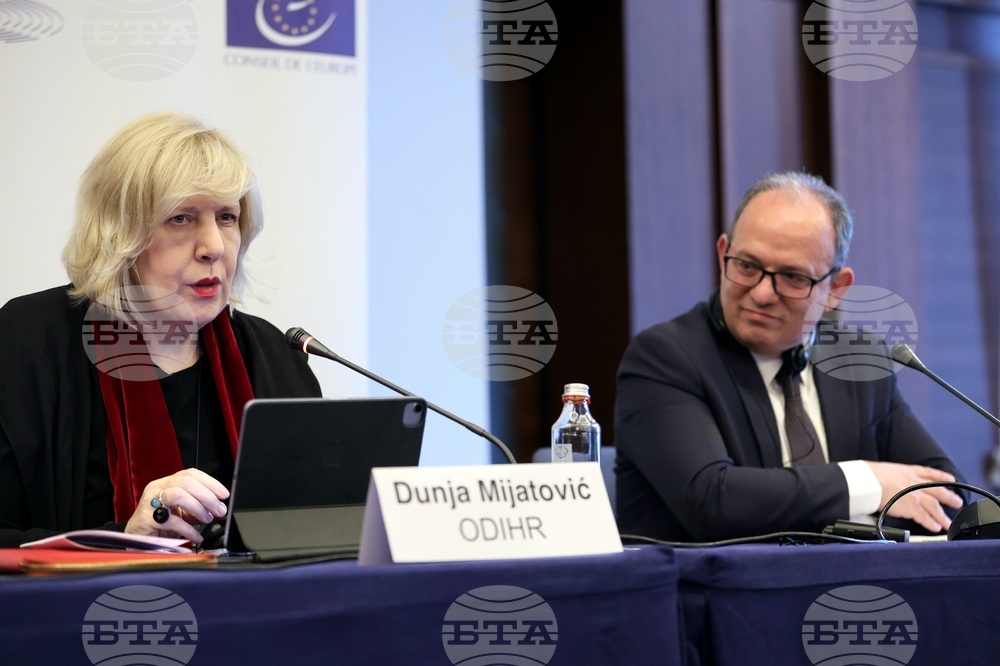
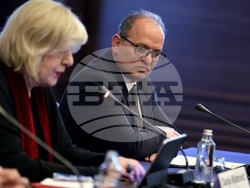
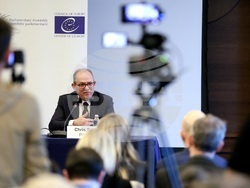
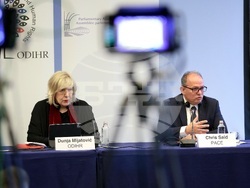
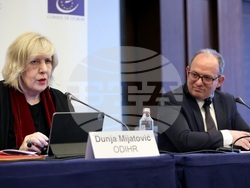
Bulgaria's early parliamentary elections held on April 19 were conducted in a transparent and efficient manner, with high voter turnout, said Monday international observers from the OSCE Office for Democratic Institutions and Human Rights (ODIHR) and from the Parliamentary Assembly of the Council of Europe (PACE). The observers held a press conference in Sofia to present their preliminary findings from the elections.
The observers noted good organization by the responsible institutions and active participation by citizens, despite latest amendments to the Election Code and the decision of Parliament to open up to 20 polling stations in countries outside the EU, excluding those in diplomatic and consular representations.
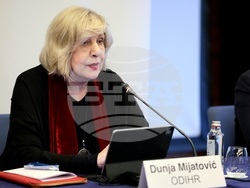
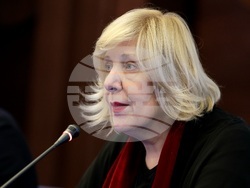
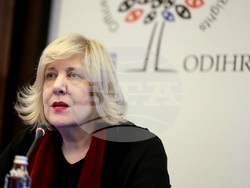
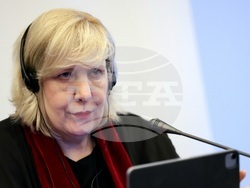
ODIHR Election Observation Mission Head Dunja Mijatovic said the process they observed offered voters a genuine choice, but in an atmosphere of significant political polarisation and campaign rhetoric that was often negative. "Fundamental freedoms were respected and the process was generally well administered. At the same time, work remains to be done, including in addressing issues such as alleged vote-buying, disinformation, and limited transparency in many aspects of the campaign,” she noted.
According to Mijatovic, a number of longstanding ODIHR and Council of Europe Venice Commission recommendations remain unaddressed. These include issues related to candidate eligibility requirements, effective investigation of electoral violations, access to legal remedies, and measures to enhance participation, she said.
Mijatovic said that concerns related to vote buying and voter intimidation persist. While efforts have been made to address these issues, their continued presence highlights the need for stronger enforcement and greater institutional effectiveness. "Transparency remains limited, oversight mechanisms are constrained, and the role of third-party actors is not adequately regulated," Mijatovic added. She also noted that women’s participation remains an important area for improvement.
According to the PACE observers, the media landscape is pluralistic, and there are concerns about political and economic influence, widespread self-censorship, and limited analytical reporting, limiting voters’ access to impartial and comprehensive information. While legal guarantees for freedom of expression and access to information exist, criminal defamation and unimplemented safeguards under the European Media Freedom Act remain concerns for editorial independence. ODIHR media monitoring indicated that, despite formal compliance with airtime rules, a reduced scope of editorial and critical news coverage on the part of private media outlets weakened voters’ ability to make informed choices.
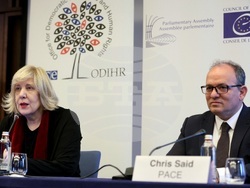
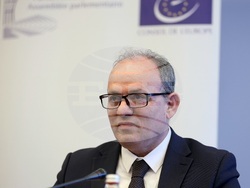
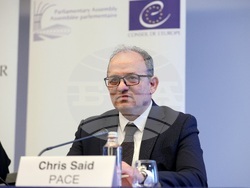
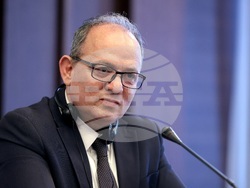
PACE delegation head Chris Said said that after years of political instability and repeated returns to the polls, Bulgarian citizens defied logic and voted in strong numbers to give the country a chance for stable government. "The responsibility now lies with Bulgaria’s political leaders to respect that message and turn this vote into effective and credible governance,” he said.
International observers monitored the opening of election day in 68 polling stations, voting in 624 stations, and the counting of ballots in 60 stations, while the tabulation process was observed in all 31 Regional Election Commissions. Nearly 36% of the visited polling stations were located in rural areas. Observers also reported some procedural shortcomings, including cases where the secrecy of the vote was not fully ensured.
/MR/
Additional
news.modal.image.header
news.modal.image.text
news.modal.download.header
news.modal.download.text
news.modal.header
news.modal.text