site.btaUPDATED Healthcare Costs Considered Heavy Burden by Some 800,000 Bulgarians, Mostly Elderly, Poll Shows

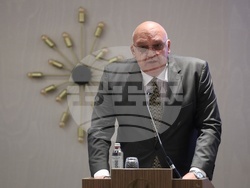
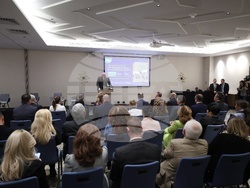
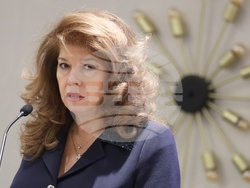
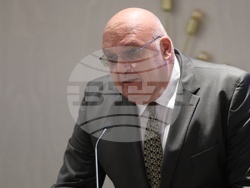
Healthcare costs are a very serious burden for about 800,000 people, mainly elderly citizens, said Trend polling agency head Dimitar Ganev on Wednesday. He presented findings from a survey on public attitudes toward the healthcare system in Bulgaria at a forum on health from public attitudes to political solutions.
The survey was conducted among 1,003 adult respondents through face-to-face standardized interviews between February 3 and 10, 2026. The data show that trust is highest in general practitioners and specialist doctors, with the combined share of respondents expressing strong or moderate trust reaching 80%.
Ganev said that trust in institutions remains traditionally the lowest. Only 3% of respondents said they have no trust at all in general practitioners and specialist doctors, while 8% expressed no trust in municipal and state hospitals, 9% in private hospitals, 19% in the National Health Insurance Fund (NHIF), 21% in the Ministry of Health, and 18% in private insurance companies, the survey results show.
Asked whether the package of health services covered by the NHIF meets patients’ needs, 40% said it rather does not, while 3% said it fully meets them.
Ganev said that nearly one quarter of Bulgarians have postponed a medical procedure due to lack of financial means.
According to 47% of respondents, the healthcare services that should be included in or better reimbursed by the NHIF are imaging diagnostics, including ultrasound, mammography, MRI and CT scans. Preventive check-ups and tests, as well as costly therapies and specialized treatments, are cited by 37% of respondents each. Rehabilitation and medical devices are mentioned by 12% of respondents, while 35% call for better coverage or inclusion of additional dental services.
A total of 76% of respondents do not have supplementary health insurance, while 18% do and 6% are unsure or did not respond.
Asked whether they had made out-of-pocket payments for healthcare services beyond the user fee over the past year, half of respondents said they had, 38% said they had not, and 12% said they had not needed to use healthcare services. The highest share, 67%, reported additional payments for medicines, followed by 57% for visits to general practitioners or specialists. Nearly one in three respondents (28%) said they had paid extra for medical supplies, 20% for hospital treatment, 14% for choosing a medical team, 9% for rehabilitation, 4% for dental services, and 1% reported making donations to healthcare facilities.
The survey also shows that 87% of respondents have not checked their patient records. Among the 13% who have, 84% reported no irregularities, while 12% said they had found discrepancies. When asked whether they had undergone an annual preventive check-up covered by their health insurance in the past year, 59% responded positively.
The main problems of the healthcare system in Bulgaria, according to respondents, are informal payments or corruption practices (45%), a shortage of medical specialists (41%), poor management of healthcare facilities (32%), insufficient quality control of medical services (28%), and unequal access across regions (25%).
Support for mandatory continuing medical education for doctors is high, with 80% in favor, 6% opposed, and 14% undecided. A total of 76% believe such training would increase their trust in the healthcare system.
According to 73% of respondents, patients should take an active role in monitoring medical services. About half of them say this should be done through submitting complaints and reports. Overall, 67% support control through a mobile application for confirming services received or via an online feedback platform, while 37% favour oversight through electronic patient records with patient access, the survey also found.
/IV/
Additional












news.modal.image.header
news.modal.image.text
news.modal.download.header
news.modal.download.text
news.modal.header
news.modal.text