site.btaParliament Backs Bill to Integrate Public Transport and Introduce National ‘Single Ticket’ System
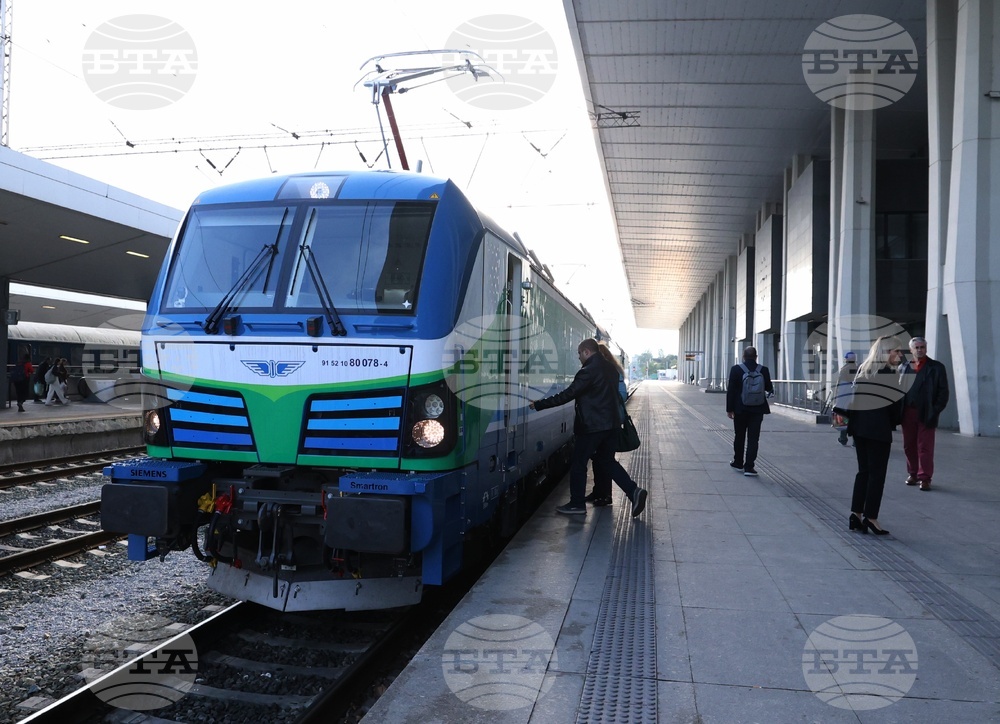
Bulgaria’s Parliament approved at first reading amendments to the Public Transport Act aimed at integrating passenger transport services across all modes of transport in the country. The draft legislation provides for the creation of a National System for a Unified Transport Document, which will form part of the Intelligent Public Transport Management System. The system is being developed under the National Recovery and Resilience Plan, which envisages the adoption of a new legislative framework introducing a unified National Transport Scheme and a single transport document (the so-called Single Ticket).
The bill was supported by 127 MPs from GERB-UDF, Continue the Change – Democratic Bulgaria, MRF – New Beginning, BSP – United Left, There Is Such a People, Alliance for Rights and Freedoms and three independent MPs. Vazrazhdane voted against the proposal, arguing that the bill poses risks for smaller transport operators. MPs from Morality, Unity, Honour and Velichie, along with one independent lawmaker, abstained. Parliament also decided to shorten the period for proposals between the first and second readings to three days.
Under the bill, the Minister of Transport and Communications will approve the National Transport Scheme, which will include coordinated timetables for regular passenger services by rail, road, air, inland waterways and maritime cabotage. Train timetables in the national scheme will serve as the basis for planning and drafting regional, intermunicipal and municipal transport schemes. The National Transport Scheme will be updated annually.
The draft law also provides that when public service obligations are assigned for passenger transport, whether by rail, road, inland waterways, maritime cabotage, air transport or demand-responsive services, key performance indicators must be set. These include punctuality, service regularity, accessibility for persons with disabilities and reduced mobility, cleanliness, passenger satisfaction, accidents and incidents, energy efficiency, carbon emissions, and complaints.
The performance indicators will be included in contracts for public passenger transport services. Contracting authorities will apply a bonus-malus system to measure performance and adjust the level of reasonable profit, which the bill specifies should range between 5% and 10%.
/DS/
news.modal.header
news.modal.text