site.btaFinancial Supervision Commission Sets February 16 Deadline for Crypto Licence Applications
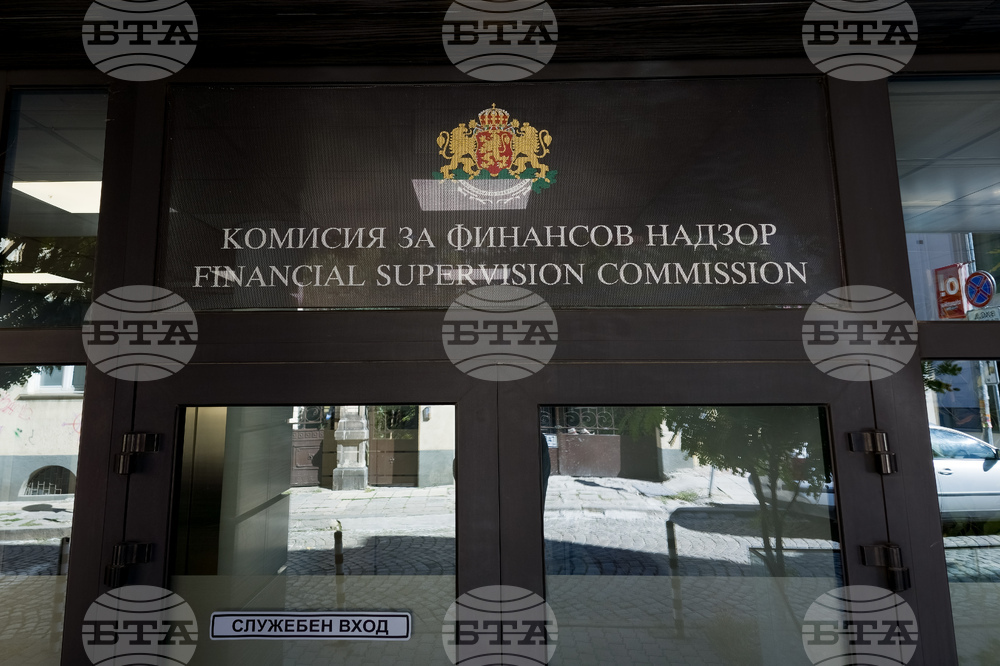
Crypto companies seeking to be licensed in Bulgaria need to submit their licence applications by February 16, 2026, the Financial Supervision Commission (FSC) said on its website on Monday.
FSC said the transitional period under the Markets in Crypto-Assets Act ends on July 1, 2026, while reviewing the submitted documents takes between four and five months.
The regulator warned that any suspension or resumption of deadlines requested by applicants, or triggered by their actions, would significantly prolong the procedure and could make it impossible for FSC to rule before July 1, 2026.
It said it had sent letters to companies listed in the crypto-assets register to inform them of its expectations.
FSC said it had so far held more than 30 meetings with companies that had signalled they intended to apply for a licence. It added that its experts had explained the regulatory requirements and expectations for preparing documentation to all interested parties.
After February 16, preliminary meetings with new companies will be stopped, as the commission focuses on reviewing applications already submitted, it said. Meetings will be held only in exceptional cases, with companies that have already undergone a preliminary assessment, and to clarify additional questions.
Companies planning to stop crypto-asset activities by July 1 must submit to FSC, by March 1, 2026, a plan for an organized and transparent wind-down, including how relations with customers will be settled. Entities that are not carrying out any activity can request removal from the register under Section 5(3) of the Transitional and Final Provisions of the Markets in Crypto-Assets Act, following the procedure in Section 6 of the same provisions, FSC said.
Bulgaria has moved to regulate the crypto-asset market under the European Union’s Markets in Crypto-Assets framework. On June 20, 2025, Parliament adopted on second reading legislation introducing oversight and regulation of crypto-asset markets and digital-finance operational resilience, and setting requirements for information accompanying transfers of funds and certain crypto-assets.
The legislation lays down the terms and procedures for the public offering of crypto-assets and their admission to trading on a crypto-asset trading platform, as well as licensing and State supervision of crypto-asset issuers and crypto-asset service providers. It assigns oversight of compliance to the Financial Supervision Commission, except where the Bulgarian National Bank has explicit competence, and states that the objective is to protect crypto-asset holders and clients of crypto-asset service providers and to support a transparent and efficient market.
After the law was adopted, the Financial Supervision Commission took over regulation of the sector, noting that before the legislative changes, activities related to acquiring, trading and paying with virtual currencies were not regulated in Bulgaria beyond anti-money-laundering and counter-terrorist-financing measures, and that the National Revenue Agency had maintained a public register of crypto-companies with over 200 entries. On January 8, 2026, the Commission reported it had issued the first licence under the Markets in Crypto-Assets Regulation (MiCA) to Alaric Securities OOD, adding that the MiCA transition period in Bulgaria lasts until July 1 and that more than 50 Bulgarian companies have expressed interest in applying.
In its public messaging, the Commission’s leadership has pointed to MiCA and the Digital Operational Resilience Act (DORA) as among the most demanding elements of the evolving EU rulebook for investors, and has described accelerated digitalization, including crypto assets and blockchain, as a structural shift for markets and economies.
/YV/
news.modal.header
news.modal.text