site.btaTwo Outbreaks of Avian Influenza Detected in Pazardzhik Region
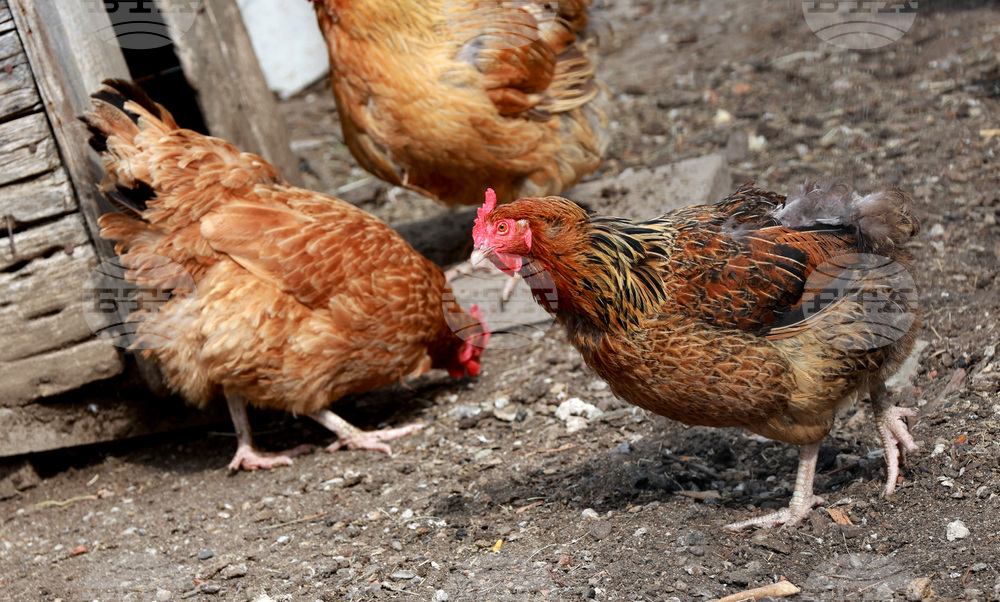
Outbreaks of influenza A (flu) have been detected in two livestock facilities since the beginning of the year according to the Bulgarian Food Safety Agency (BFSA)'s official website. The outbreaks occurred in the municipalities of Asenovgrad and Topoli Dol in the Pazardzhik region.
The BFSA was alerted after the owners of the facilities submitted reports of increased mortality among birds. The first facility raises approximately 90,000 laying hens and the second approximately 15,000 mallard ducks.
Three-kilometre protection zones have been established around the affected facilities, encompassing the town of Asenovgrad and the village of Boyantsi in the Asenovgrad municipality, the village of Mominsko in the Sadovo municipality, and the villages of Topoli dol and Nayden Gerovo in the Saedinenie municipality.
A 10-kilometre surveillance zone has also been established and it includes the villages of Krumovo and Yagodovo; the town of Sadovo; the villages of Bolyarci and Katunitsa; the town of Kuklen; the villages of Ruen, Izbeglii, Kozanovo and Stoevo; the villages of Zlatovrah, Muldava and Lyaskovo; the villages of Rosen and Tsar Asen; the villages of Ovchepoltsi, Chernogorovo and Pishtigovo; the villages of Krali Marko and Blatnitsa; the town of Saedinenie; the villages of Pravishte and Malo Krushevo.
The BFSA reminds that the disease spreads among birds through direct contact with the secretions and faeces of infected birds and through contaminated feed and water. An epizootic study is being conducted, tracking the movements of domestic birds, products and by-products obtained from them, and bird feed, as well as vehicles involved in the technological process at the site.
The main measures for controlling avian influenza are introducing high biosecurity measures and strictly implementing and enforcing them. This includes keeping birds indoors and storing them in closed premises that are inaccessible to wild birds and rodents; strictly monitoring the origin and health status of newly purchased birds; and cleaning and disinfecting incoming and outgoing vehicles.
Poultry farmers whose flocks have been culled due to the detection of avian influenza are entitled to compensation in accordance with the law. This enables them to quickly resume their activities, thereby minimizing the consequences and ensuring stability in the sector.
/VE/
news.modal.header
news.modal.text