site.btaPublic Tension Index Rises in Q4 2025, Reaches 6.76
The Public Tension Index recorded an increase in the last quarter of 2025, reaching 6.76, placing it firmly in the "high, hard-to-control risks" category, the Centrе for Analysis and Crisis Communications and the Myara polling agency reported on Monday. The index stood at 6.09 in Q3 of 2025.
The index ranges from 0 to 10, with 0-3.99 indicating low and fully controlled risks, 4-5.99 medium and well-controlled risks, 6-7.99 high and hard-to-control risks, and 8-10 very high, almost unmanageable risks.
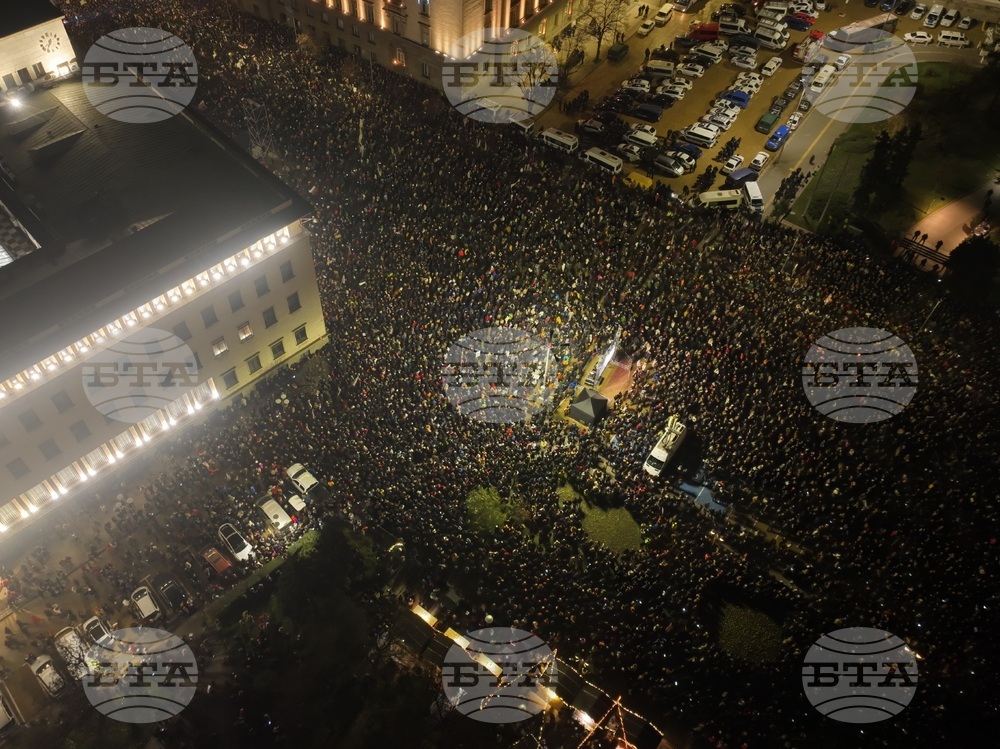
Analysts noted that the main drivers of tension in the last quarter of 2025 were political debates and actions surrounding the adoption of the State Budget Act, which triggered major protests. The Government’s resignation eased tensions slightly, but risks remain.
The October–December period saw far more political events causing public unrest than economic or social issues. Unemployment remained relatively stable, but labour shortages began to be felt. Inflation rose gradually, negatively affecting public sentiment. According to international anti-corruption organizations, Bulgaria remains at the bottom of EU rankings. Recent government revelations and attempts to reallocate funds further fueled public discontent, analysts said.
General crimes per capita showed no significant change, though underreporting may be a factor, particularly amid high distrust in government and law enforcement.
Negative attitudes toward Parliament and Government, traditionally high, continued to rise, while positive sentiment toward the presidency increased. The survey was conducted before former president Rumen Radev announced his resignation, the report noted.
Bulgarians’ expectations for public and personal well-being showed growing fears and uncertainty, likely linked to the euro transition. Negative assessments of national welfare and personal finances increased sharply, with persistent concerns over price growth.
A relatively high number of protests nationwide was accompanied by widespread discussion on social media and in the press, with a clear rise in negative coverage both in absolute terms and audience reach. Predominant public debates focused on the proposed 2026 budget, dissatisfaction with ruling-party representatives, protests, freedom-of-speech issues, and related topics. Minor daily challenges, such as the introduction of the euro, received less attention, analysts noted.
The Centrе for Analysis and Crisis Communications and the Myara agency began the initiative to measure the Public Tension Index quarterly in partnership with the Sensika platform in September 2025, the organizers said.
/YV/
news.modal.header
news.modal.text