site.btaSofia Mayor Calls for World Bank-Led Review of Troubled Municipal Heating Utility
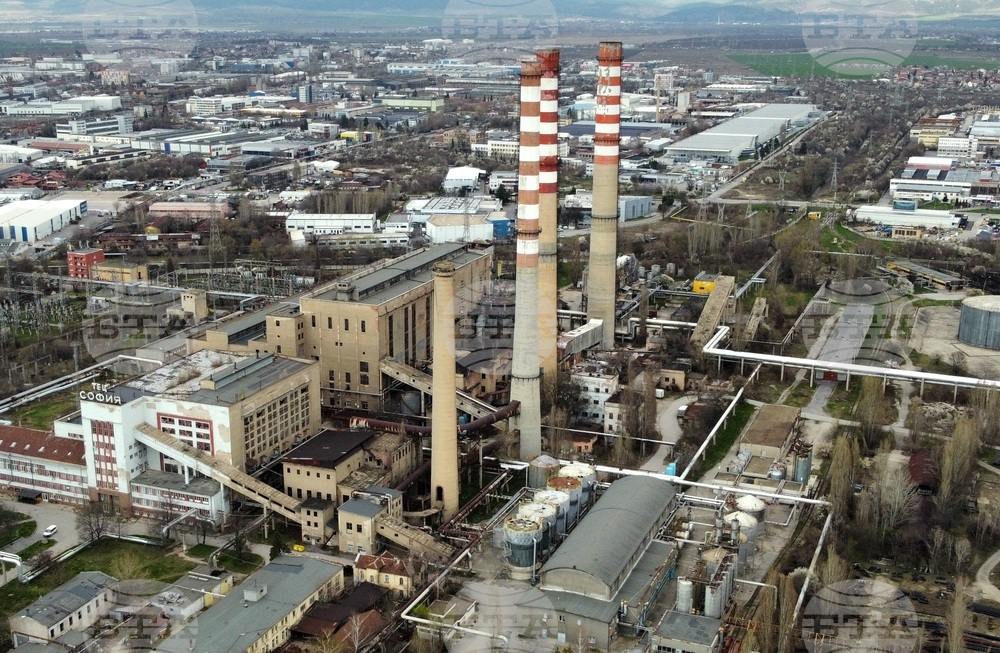
Every day of inaction worsens the problems at Toplofikatsiya Sofia, the municipal heating utility, Sofia Mayor Vassil Terziev said on Tuesday. He was speaking as he submitted, jointly with Sofia Municipal Council Chair Tsvetomir Petrov, a report seeking the approval of the Municipal Council for a comprehensive assessment of the heating utility’s condition, to be conducted by the World Bank and the International Finance Corporation.
Toplofikatsiya Sofia faces serious challenges related to service quality and mounting debt.
"Every day in which we do nothing, the problems of the Sofia heating utility worsen. A technical analysis will only confirm what we already know—that the situation is worse than it was five or ten years ago. Our goal is to have a complete picture so we can determine how the company can be revived," Terziev said.
Toplofikatsiya Sofia supplies heating to about 70% of households in the capital, making its condition a citywide issue.
Close to 20% of the Bulgarian population of 6.5 million live in Sofia, according to a 2021 census.
Terziev said the review must examine the company’s technical and financial state, the regulatory framework, and options for addressing accumulated debt in cooperation with the state.
He added that the company needs more than EUR 1 billion in investments to rehabilitate the network, develop cogeneration capacity, and carry out other key projects. At the same time, its debt exceeds EUR 1 billion and requires restructuring.
Terziev stressed that Toplofikatsiya Sofia must remain a municipal company, rejecting claims that the report is linked to a hidden privatization effort.
The mayor said that a public-private partnership or concession could be considered, but emphasized that any such decision rests with the Sofia Municipal Council.
Terziev expects the report to be discussed at the Municipal Council’s first session in January, once official translations of certain materials are completed. The first phase of the analysis is expected to take eight to nine months.
/NF/
news.modal.header
news.modal.text