site.btaEU Integration Reforms in Serbia Slowed Down Significantly or Show Regression, EP Report Says
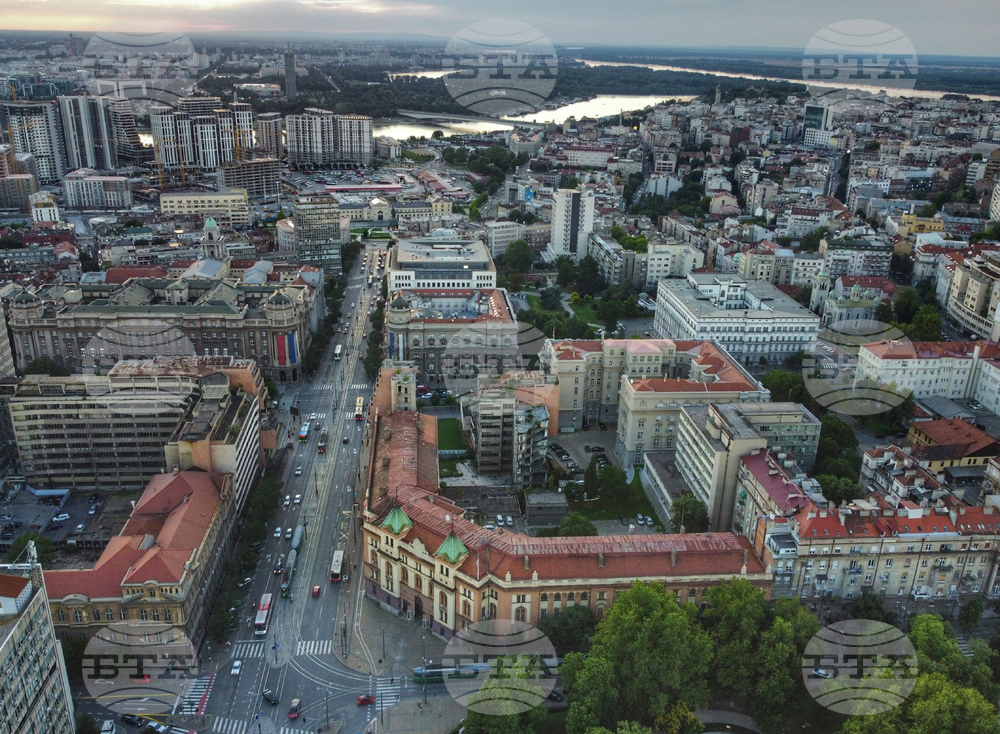
Reforms in Serbia related to EU integration have significantly slowed down or are showing regression, particularly in the key areas of the rule of law and media freedom, according to the draft annual report on Serbia, which was presented on Tuesday at a meeting of the Foreign Affairs Committee of the European Parliament (EP), local media reported.
The document, prepared by European Parliament’s rapporteur for Serbia Tonino Picula, assesses that progress towards EU membership depends on full respect for European values, democracy and fundamental rights, which form part of the Copenhagen criteria.
This does not only mean adopting reforms, but also their full implementation in practice, the draft states.
The draft report finds that political rights and civil liberties in Serbia are in decline, with pressure being observed on independent media, academia, the political opposition and civil society organisations.
The document recalls that full EU membership is Serbia’s declared strategic goal, but notes that this commitment is often not reflected in practice, as in the case of the absence of Serbia’s highest representatives from the EU–Western Balkans summit in December 2025.
The report states that Serbia must clearly and consistently demonstrate its geopolitical orientation towards the EU, including full alignment with EU foreign policy, and in particular with the restrictive measures introduced by the EU in the context of Russian aggression against Ukraine.
The text of the report expresses regret that Serbia has made limited or no progress in meeting the EU membership criteria across many other negotiating chapters.
It stresses that EU accession negotiations with Serbia should advance only on the basis of measurable and sustainable progress in the fundamental cluster, particularly in the areas of the rule of law, the fight against corruption and organised crime, the independence of the judiciary, media freedom and public administration reform.
The document firmly rejects all allegations by Serbian officials that the EU and some of its Member States were involved in organising the student protests that began in November 2024.
The draft report condemns the unacceptable behaviour, insults and negative rhetoric directed at Members of the European Parliament and other political actors (...) in January 2026.
Serious concern is also expressed over amendments to judicial laws, which are assessed as a serious step backwards on the path towards EU membership, as they further restrict the independence of the judiciary and the autonomy of the prosecution service.
The draft report also expresses concern over the deepening social crisis in the context of the mass civil protests since November 2024, which it says reflect the reaction of the people of Serbia to perceived systemic corruption and the lack of accountability and transparency in the country.
The report expresses the conviction that the best way to resolve the political crisis in Serbia is to hold free and fair elections and calls for the full implementation of all recommendations in a transparent and inclusive manner.
It reaffirms the importance of constructive engagement in the Belgrade–Pristina dialogue in order to achieve a comprehensive, legally binding normalisation agreement based on mutual recognition and in accordance with international law. The draft report calls on Kosovo and Serbia to implement the Brussels and Ohrid agreements, including the establishment of an Association of Serb-majority municipalities in Kosovo and the cessation of Serbia’s opposition to Kosovo’s membership in regional and international organisations.
The document also underlines that support for Serbia and other Western Balkan countries under the Reform and Growth Programme is conditional on compliance with effective democratic mechanisms, including a multiparty parliamentary system, free and fair elections, pluralistic media, an independent judiciary, the rule of law and the fulfilment of all human rights obligations.
During the presentation of the document at the meeting of the Foreign Affairs Committee, the shadow rapporteur for Serbia, Davor Ivo Stier from the European People's Party (EPP), said that attacks against Members of the European Parliament are inappropriate and constitute a lack of respect for the institution of the European Parliament, the regional news portal Contemporary Politics reported.
He agreed and assessed that Serbia is deeply divided and that the main line of this division is democracy, the rule of law and the fight against corruption.
“The EU is a secondary issue at this moment. President Aleksandar Vucic stated in his ‘Serbia 2035’ plan that the EU is Serbia’s goal, but this is not accompanied by concrete reforms,” Stier said.
He pointed out that the European Parliament mission which visited Belgrade in January was presented with numerous examples of violations of EU criteria, particularly in areas such as freedom of assembly, media and academic freedom.
The draft document on Serbia’s annual progress towards EU accession also includes a call for the European Commission to review the funds allocated to the country under the Growth Plan, Contemporary Politics reported.
/TM/
news.modal.header
news.modal.text