site.btaUPDATED Most Effective Tool for Stability, Security, Prosperity Is Cooperation, Bulgaria’s Foreign Minister Says
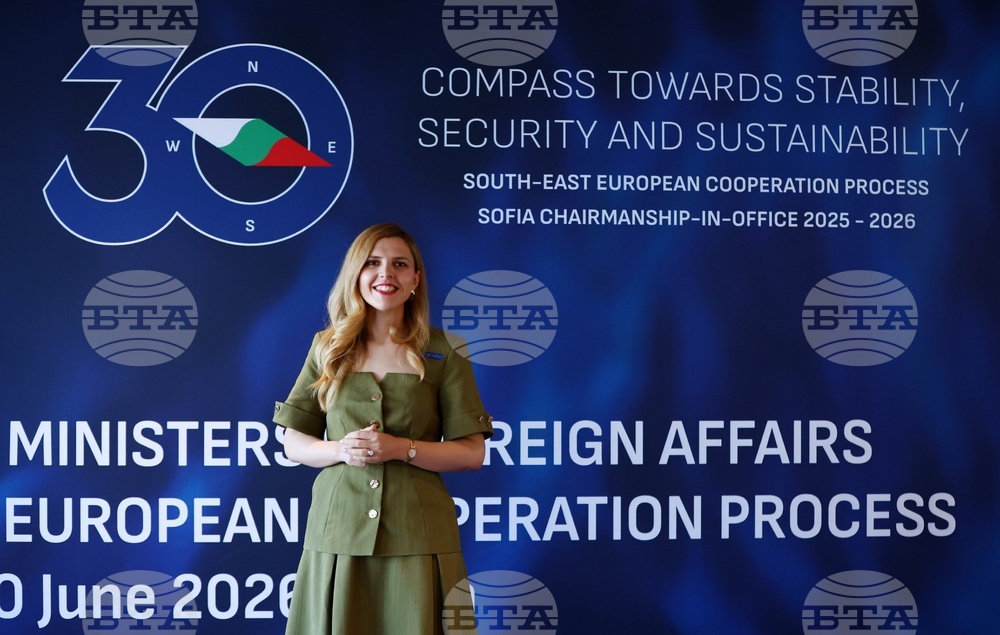
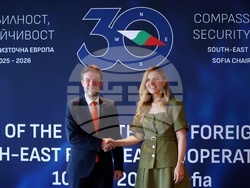
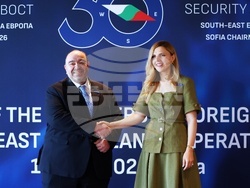
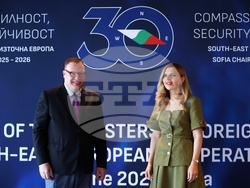
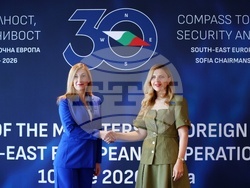
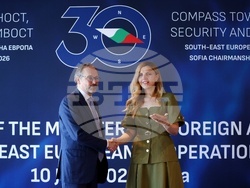
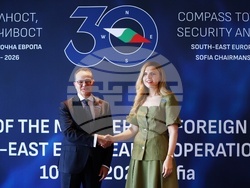
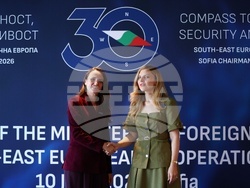
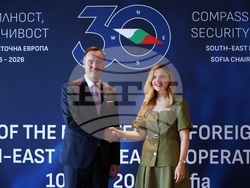
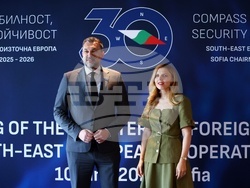
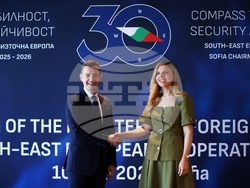
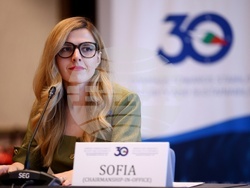
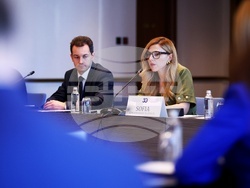
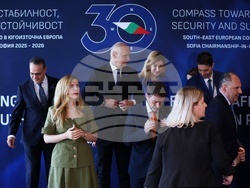
In an environment characterized by rapid change and the need for quick decision-making, cooperation remains the most effective tool for ensuring stability, security, and prosperity, Bulgaria’s Foreign Minister Velislava Petrova said at the opening of the South-East European Cooperation Process (SEECP) Ministers of Foreign Affairs Meeting in Sofia.
Bulgaria remains fully committed to promoting unity, strengthening partnerships, and ensuring coherence between regional initiatives and European priorities, Petrova said. Sofia will continue to support all efforts that bring the countries closer together, build trust, and deliver tangible benefits for the citizens, she added. In her words, at a time when digital transformation and artificial intelligence are reshaping economies at an incredible pace, Southeast Europe must remain competitive. Its ability to attract investment, retain talent, and foster innovation will depend on modern digital infrastructure and an environment that encourages technological progress and entrepreneurship, Petrova added.
As a member of the European Union and NATO, Bulgaria remains fully committed to sharing its experience, promoting convergence, and contributing to a stable, secure, and sustainable Southeast Europe, Petrova stated.
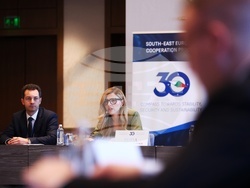
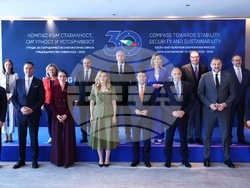
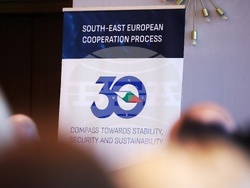
This year marks the 30th anniversary of the establishment of the regional cooperation framework initiated by Bulgaria in 1996. Petrova said this is an opportunity to see what has been achieved in the region and added that it is even more important to confirm the direction in which it will continue. The countries in the region must be united by solidarity, responsibility, and a shared European vision, she said.
Today, the priorities are clear: advancing the European integration of all participants in the SEECP, strengthening competitiveness and human capital, improving connectivity, energy sustainability, and economic growth in the region, as well as strengthening resilience, including by addressing emerging and hybrid challenges, Petrova added. During Bulgaria’s presidency, particular emphasis was placed on dialogue and results-oriented activities, she said.
As the official end of Bulgaria’s presidency approaches, Sofia looks with confidence toward Bucharest’s upcoming presidency. Bucharest will lead the process with the same sense of responsibility, consistency, and commitment to progress and cooperation, Petrova added.
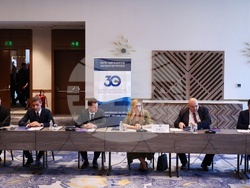
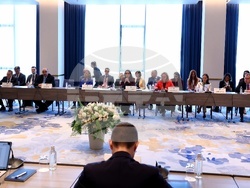
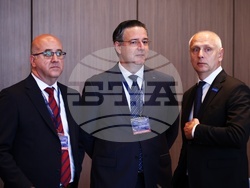
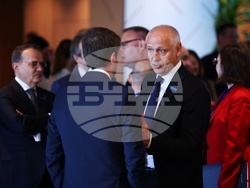
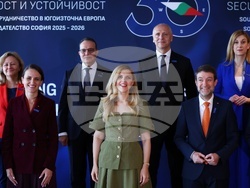
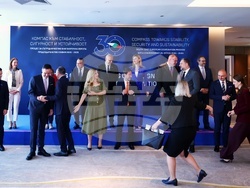
The foreign ministers of Bulgaria, Kosovo, Greece, Bosnia and Herzegovina, Albania, North Macedonia and Croatia attend, alongside delegations from Turkiye, Serbia, Romania, Moldova, Montenegro and Slovenia.
The ministers will exchange views on key issues on the regional agenda, including the current situation in Southeastern Europe, security challenges, and opportunities for strengthening regional cooperation and advancing the European integration process.
The South-East European Cooperation Process is a regional platform for dialogue aimed at promoting confidence-building, cooperation and good-neighbourly relations across Southeastern Europe. The initiative was launched in July 1996 in Sofia, when the foreign ministers of eight countries from the region adopted the Sofia Declaration on Good-Neighbourliness, Stability, Security and Cooperation in the Balkans.
Over the years, the number of participating states has expanded to 13: Albania, Bulgaria, Bosnia and Herzegovina, Greece, Kosovo, Moldova, Romania, North Macedonia, Slovenia, Serbia, Turkiye, Croatia and Montenegro.
Since the initiative’s establishment, Bulgaria has held the rotating one-year SEECP Presidency four times. On June 16, 2025, Bulgaria assumed the Presidency in Tirana under the motto “A Compass Towards Stability, Security and Sustainability”.
/YV/
Additional











news.modal.image.header
news.modal.image.text
news.modal.download.header
news.modal.download.text
news.modal.header
news.modal.text