site.btaBulgaria Reports Third Largest Annual Industrial Output Drop in EU in February
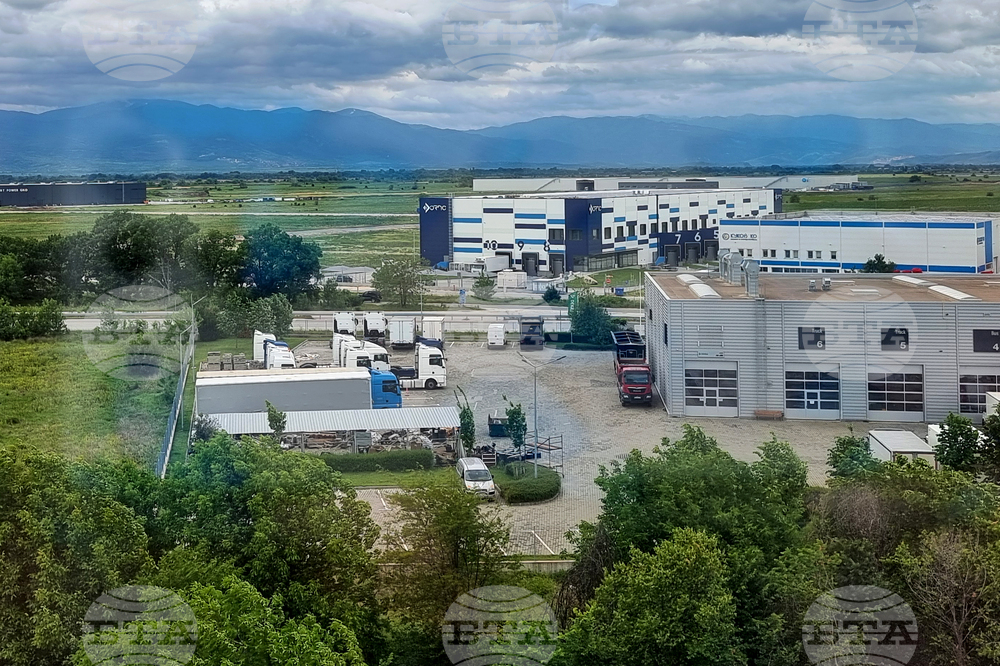
Bulgaria’s industrial production decreased by 8% in February 2026 compared with the same month of 2025, marking the third largest annual decline in the European Union, according to preliminary estimates published by Eurostat on Wednesday. On a monthly basis, compared with January 2026, Bulgaria’s industrial production increased by 0.9%, placing the country seventh in the EU in terms of monthly growth, after a 3.6% decrease recorded in January compared with December 2025.
Across the European Union, industrial production decreased by 0.1% year-on-year in February, while in the euro area the decline was 0.6%.
Compared with January, industrial production rose by 0.4% in both the EU and the euro area. In January, the indicator had declined on a monthly basis by 0.9% in the EU and by 0.8% in the euro area.
Among EU Member States, the largest annual decreases in industrial production in February were recorded in Luxembourg (17%) and Ireland (10%). The highest annual increases were observed in Sweden (7.7%), Belgium (7.4%) and Denmark (5.8%).
By main industrial grouping in the EU, compared with January 2026, production increased by 0.3% for intermediate goods and by 1.1% for capital goods, decreased by 0.8% for durable consumer goods, increased by 2% for non-durable consumer goods, and fell by 2% for energy.
In the euro area, industrial production rose on a monthly basis by 0.5% for intermediate goods and by 1% for capital goods, decreased by 1.3% for durable consumer goods, increased by 2.6% for non-durable consumer goods, and declined by 2.1% for energy.
The largest monthly increases were recorded in Ireland (5.7%), Finland (3.3%) and Sweden (3.3%), while the largest decreases were observed in Malta (6%), Luxembourg (4.6%) and Greece (2.1%).
On an annual basis, EU industrial production in February decreased by 1.5% for intermediate goods, increased by 3% for capital goods, decreased by 1.8% for durable consumer goods and by 3.8% for non-durable consumer goods, while energy output increased by 1.7%.
In the euro area, industrial production declined year-on-year by 1.5% for intermediate goods, increased by 2.5% for capital goods, decreased by 1.9% for durable consumer goods and by 5.4% for non-durable consumer goods, while energy output rose by 2%.
/RY/
news.modal.header
news.modal.text