site.btaBulgarian Property Market Growth Continues in 2026, Slower Than Previous Years - Analysis
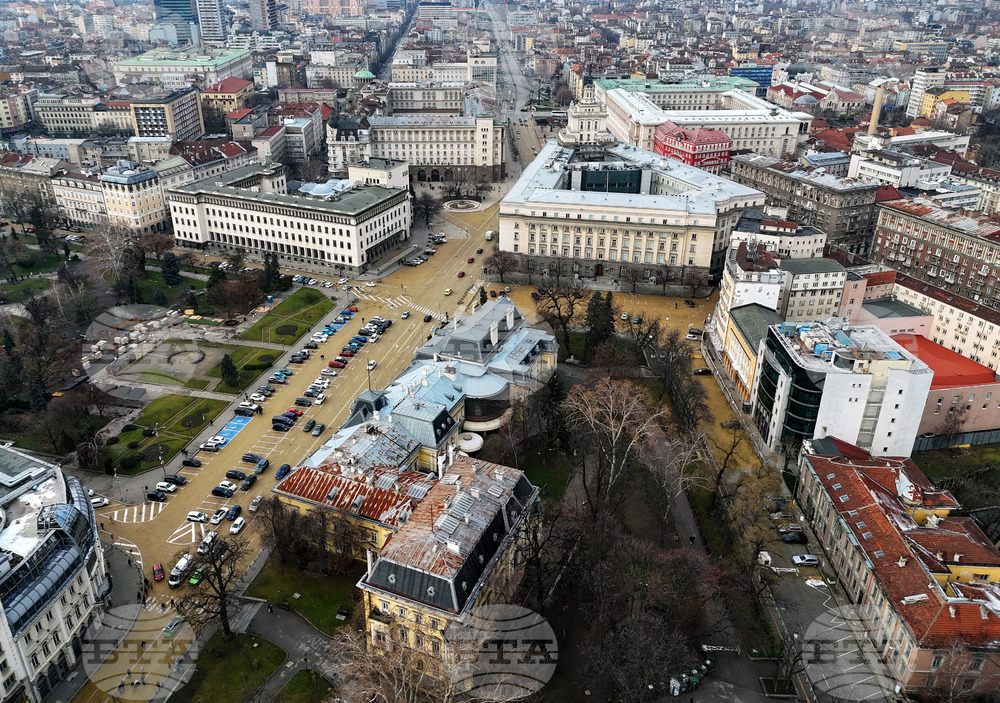
The Bulgarian property market in 2026 continues to grow, but without the rapid pace seen in previous years. The euro brings greater stability and clarity, but it does not alter the main principle increasingly shaping decisions: quality over quantity. This is highlighted in a 2026 property market analysis, the first year of Bulgaria's eurozone membership, based on SORENDA Real Estate's observations and statistical data, obtained by BTA on Monday.
Analysts broadly agree that 2026 will be a year of stabilization, the company notes. Price growth in Sofia is expected at around 5-10% annually, depending on the area and property type. Similar forecasts come from banking institutions such as DSK Bank, as well as brokerage firms including ARCO Real Estate, which report steady demand for two- and three-bedroom apartments - the backbone of the mid-market segment.
2025: Peak activity, but not the market ceiling
With double-digit annual price growth of over 15% by the end of 2025, Bulgaria ranked among the EU's fastest-appreciating property markets. According to SORENDA Real Estate, this was driven by a combination of factors: strong domestic demand, expectations surrounding euro adoption, and limited supply of quality projects, particularly in major cities.
Data from the National Statistical Institute reinforce this picture, showing double-digit annual growth in the housing price index across all quarters of 2025, with the largest cities contributing most to the increase. This consistently placed Bulgaria above the EU average reported by Eurostat.
This notwithstanding, 2025 cannot be described as a year of market euphoria. According to the company's managing director, Evgeni Vassilev, the market has not reached a ceiling, but buyer behaviour has changed significantly.
"2026 will be the first year in which Bulgaria's property market is driven not by fear or speculation, but by real needs, sustainable financing and a clear distinction between high-quality and compromise projects. Buyers now pay attention to details, such as the facade, energy class and building management, not just the price per square metre," Vassilev said.
This makes 2025 more a peak in the cycle than a cap on growth—a strong finish to one stage and a smooth transition to the next, the company notes.
Sofia property prices: high levels, but with more mature logic
Sofia remained the undisputed centre of property activity. In 2025, average prices for standard apartments in the capital ranged between EUR 1,500 and EUR 1,900 per square metre, with new developments in prime locations often exceeding EUR 2,000 per square metre. Market assessments indicate that in certain segments, average prices are now consistently approaching this level.
Eurostat data show that Bulgaria ranked among the EU countries with the highest annual housing price growth in 2025, with the capital accounting for a significant portion of this increase. The company notes that this indicates Sofia is no longer simply catching up but is now moving in line with other regional centres in Central and Eastern Europe.
At around or above 15% compared with 2024, annual price growth was well above the EU average. The main difference from previous years lies in the structure of demand: buyers are increasingly sensitive to location, functionality, energy efficiency and project completion. This is particularly evident in the new-build segment, where high-quality projects continue to sell quickly, while compromise projects begin to lag behind.
Post-January 1 demand: Stable but more segmented
Bulgaria's euro adoption has not sharply shifted demand but reinforced existing trends, the company says. Financing is more transparent and predictable, and the country is increasingly recognizable to foreign buyers. "Euro adoption is a framework that brings predictability, lower volatility and a new class of investors. Purchases will now be planned, not panic-driven. Prices will not fall, but expectations are rising," said Evgeni Vassilev.
BNB data show housing lending grew in 2025 at a more moderate pace than before, indicating gradual cooling and healthier market dynamics. Migration is rising to suburban areas around Sofia and districts offering a better balance of price, environment and access to infrastructure. New-builds, modern complexes and energy-efficient homes remain dynamic, while the secondary market, especially prefab apartments in remote areas, is slowing down.
Interest rates and loans
Expectations of an automatic drop in interest rates after euro adoption have not fully materialized. While over BGN 13-14 billion of liquidity is entering the banking system, this is creating greater variety in mortgage products rather than much lower rates. Average interest rates on housing loans remain historically low, with banks increasingly offering fixed and hybrid options, providing stability for buyers, especially in new-build and off-plan projects, while limiting speculative demand.
/RY/
news.modal.header
news.modal.text