site.btaLarge Bulgarian Platforms Ready for Digital Services Act, Smaller Online Shops Lag – Consumer Protection Commission Chair
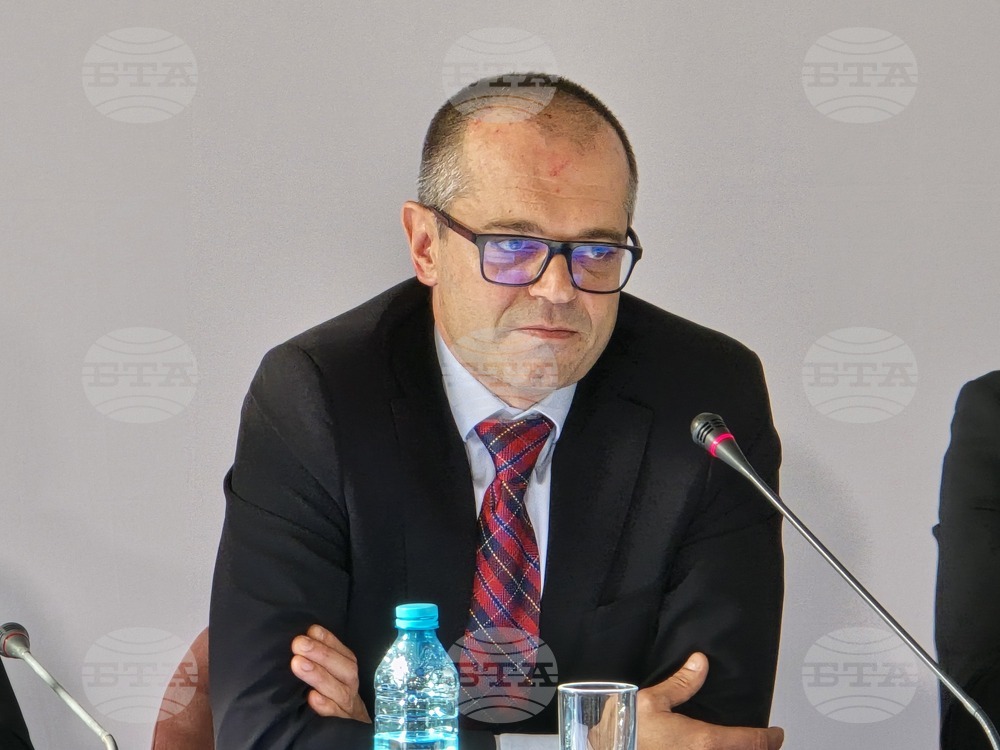
Large platforms and traders in Bulgaria show a good level of readiness to adapt to the Digital Services Act (DSA), while smaller online shops and intermediaries face difficulties in publishing clear and transparent rules on identification, moderation, and algorithmic recommendations, Alexander Kolyachev, acting Chair of the Consumer Protection Commission (CPC), said in a BTA interview.
Kolyachev added that the CPC’s role in implementing the DSA is focused on protecting consumers in the online environment – oversight of e-commerce, unfair practices, misleading advertising, product safety, and participation in European cooperation mechanisms. The main DSA coordinator in Bulgaria is the Communications Regulation Commission (CRC), while the Council for Electronic Media (CEM) and the Commission for Personal Data Protection (CPDP) complement the regulatory framework.
According to Kolyachev, the CPC is highly prepared for the new requirements thanks to its experience in overseeing online commerce, but institutions are still building the full architecture for implementing the regulation. The acting head of the Commission noted a slight increase in reports of fake online shops but attributed this to higher consumer awareness rather than an actual rise in violations.
He pointed out that the most frequent problems are observed in electronics, cosmetics, food supplements, clothing, and subscription services. The CPC will closely monitor violations related to advertising targeting minors and vulnerable groups. The authority has the capacity to work with large datasets and will carry out targeted inspections, including through advertising repositories that platforms are now required to maintain.
Following is the full interview:
What is the role of the Consumer Protection Commission in implementing the Digital Services Act, and where do your powers overlap with those of the Ministry of e-Government, the Communications Regulation Commission, and the Council for Electronic Media (CEM)?
The Digital Services Act (Regulation (EU) 2022/2065) establishes a general framework that allows Member States to designate several competent authorities – a national Digital Services Coordinator and additional authorities responsible for consumer protection, personal data, audiovisual media services, and other areas.
In Bulgaria, the Communications Regulation Commission has been designated as the national coordinator and main competent authority under the DSA, while the Council for Electronic Media is the competent authority with regard to video-sharing platforms.
The role of the CPC focuses on the consumer dimension of the DSA, including:
• combating unfair commercial practices online – misleading advertising, hidden advertising, fake online shops;
• oversight of e-commerce and distance contracts – accurate information about the trader, the right of withdrawal, guarantees, and complaints;
• supervision of the safety of products and services offered through online platforms;
• participation in European consumer protection cooperation networks.
The overlap of powers is most visible in three areas:
• with the CRC – with regard to online intermediaries and platforms, where there is a framework for cooperation and information exchange between the two authorities;
• with the CEM – on content-related issues concerning video platforms, including cases where advertising raises both consumer and media issues;
• with the Commission for Personal Data Protection – in cases involving personal data processing, profiling, and targeting.
The Ministry of e-Government has a coordinating role in preparing legislative amendments, working groups, and the national architecture for implementing the DSA.
Bulgaria is currently building the architecture for implementing the regulation. How does the CPC assess its readiness?
The CPC is actively participating in interinstitutional working groups on the DSA, adapting its internal procedures for handling complaints and signals related to online services, and upgrading electronic communication channels with citizens through its mobile application and online complaint submission form.
The Commission has long experience in overseeing e-commerce and working with large volumes of data, which is also key in the context of the DSA. We assess our readiness as high in the area of consumer oversight and as developing with regard to the new mechanisms for coordination between institutions and platforms.
The CPC is already receiving reports of fake online shops and misleading advertising. Have you observed an increase in violations since the entry into force of the DSA, particularly concerning fake online shops and misleading advertising?
There has been a moderate increase in reports, but this is primarily due to higher consumer awareness and greater visibility of the topic. Fake online shops remain one of the most serious problems, with a large proportion registered outside the EU. The trend is toward more complex and better-concealed schemes rather than a significant quantitative increase.
How do you assess the compliance of Bulgarian online traders with the identification (“know your business customer”) requirements?
Large platforms and online traders in Bulgaria already comply to a significant extent with identification requirements. The most serious shortcomings are observed among smaller online shops and traders operating on social media, where addresses, company details, and contact information are often missing.
The DSA allows platforms to restrict or suspend traders who systematically fail to provide complete information. The CPC will report such cases.
In which categories of goods and services are violations most frequently observed?
The highest-risk areas remain:
• electronics – guarantees, non-conforming goods, delayed deliveries;
• cosmetics and food supplements – misleading claims, incomplete information on ingredients;
• clothing and footwear – discrepancies with descriptions, problems with returns;
• subscription services – automatic renewals, hidden fees, difficulties in terminating contracts.
These sectors are a priority for enhanced monitoring.
How will the CPC oversee the ban on behavioural advertising targeting minors and vulnerable groups?
The main obligations lie with platforms and the national coordinator (CRC), but the CPC intervenes when targeting children or vulnerable groups leads to unfair practices. The Commission will analyse complaints, review advertising formats, and work jointly with the CRC and the Commission for Personal Data Protection when there is a risk to minors.
The focus is on advertisements that mislead, encourage impulsive purchasing, or conceal their commercial nature.
Is the CPC ready to analyze data from the advertising repositories that platforms are required to maintain?
Yes. The experience gained from analysing pricing data and overseeing online commerce enables us to work with large datasets. There will be no “mass monitoring,” but rather targeted inspections in cases of consumer risk, received reports, or indications of systematic violations.
Advertising repositories will help us trace advertisers and assess the legality of targeting practices.
How do you assess the preparedness of Bulgarian online intermediaries to publish transparent rules on moderation, advertising, and algorithmic recommendations?
Large platforms and established online traders are already adapting their rules to the DSA requirements and providing clearer information. Challenges mainly exist among smaller platforms, which often use template or incomplete texts and fail to provide information on moderation practices and how recommendation systems function.
The CPC will encourage businesses to improve transparency and will sanction practices that mislead consumers or restrict their rights.
/NF/

news.modal.header
news.modal.text