Wrap-up
![Experts Discuss Pace of Fiscal Consolidation at Sofia Conference]()
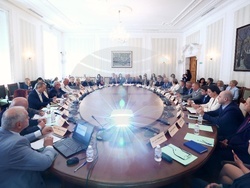
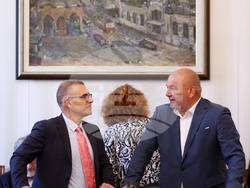
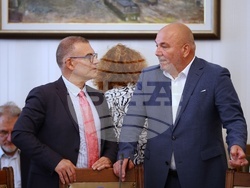
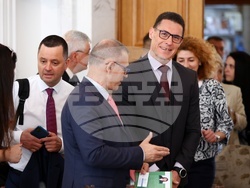
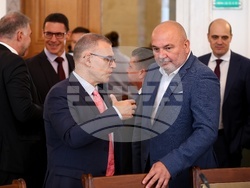
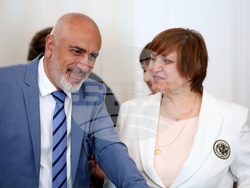
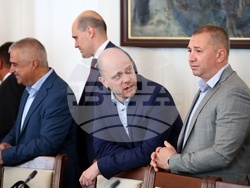
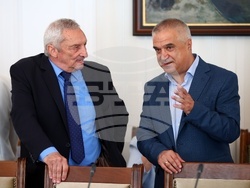
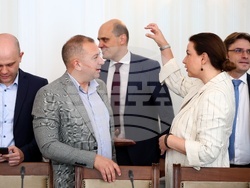
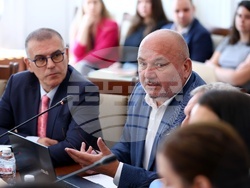
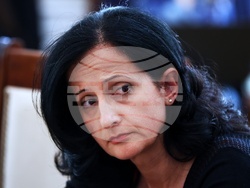
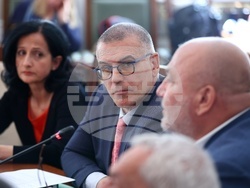
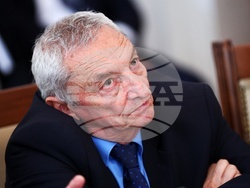
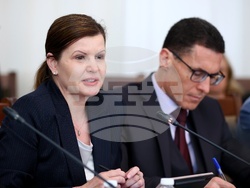
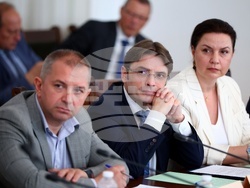
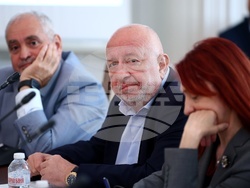
![Experts Discuss Pace of Fiscal Consolidation at Sofia Conference]() A conference on "Fiscal Consolidation in Times of Uncertainty" organized by the Fiscal Council, Sofia, June 16, 2026 (BTA Photo/Minko Chernev)
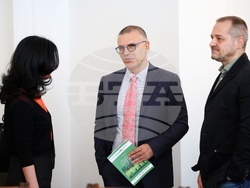
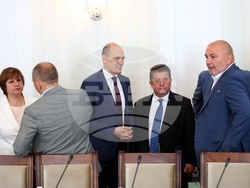
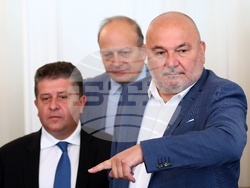
A conference on "Fiscal Consolidation in Times of Uncertainty" organized by the Fiscal Council, Sofia, June 16, 2026 (BTA Photo/Minko Chernev)
![Народно събрание - „Фискална консолидация във времена на несигурност“ - конференция]()
![Народно събрание - „Фискална консолидация във времена на несигурност“ - конференция]()
![Народно събрание - „Фискална консолидация във времена на несигурност“ - конференция]()
![Народно събрание - „Фискална консолидация във времена на несигурност“ - конференция]()
![Народно събрание - „Фискална консолидация във времена на несигурност“ - конференция]()
![Народно събрание - „Фискална консолидация във времена на несигурност“ - конференция]()
![Народно събрание - „Фискална консолидация във времена на несигурност“ - конференция]()
![Народно събрание - „Фискална консолидация във времена на несигурност“ - конференция]()
![Народно събрание - „Фискална консолидация във времена на несигурност“ - конференция]()
![Народно събрание - „Фискална консолидация във времена на несигурност“ - конференция]()
![Народно събрание - „Фискална консолидация във времена на несигурност“ - конференция]()
![Народно събрание - „Фискална консолидация във времена на несигурност“ - конференция]()
![Народно събрание - „Фискална консолидация във времена на несигурност“ - конференция]()
![Народно събрание - „Фискална консолидация във времена на несигурност“ - конференция]()
![Народно събрание - „Фискална консолидация във времена на несигурност“ - конференция]()
![Народно събрание - „Фискална консолидация във времена на несигурност“ - конференция]()
![Народно събрание - „Фискална консолидация във времена на несигурност“ - конференция]()
![Народно събрание - „Фискална консолидация във времена на несигурност“ - конференция]()
![Народно събрание - „Фискална консолидация във времена на несигурност“ - конференция]()
![Народно събрание - „Фискална консолидация във времена на несигурност“ - конференция]()
![Народно събрание - „Фискална консолидация във времена на несигурност“ - конференция]()
![Народно събрание - „Фискална консолидация във времена на несигурност“ - конференция]()
![Народно събрание - „Фискална консолидация във времена на несигурност“ - конференция]()
![Народно събрание - „Фискална консолидация във времена на несигурност“ - конференция]()
![Народно събрание - „Фискална консолидация във времена на несигурност“ - конференция]()
![Народно събрание - „Фискална консолидация във времена на несигурност“ - конференция]()
site.btaExperts Discuss Pace of Fiscal Consolidation at Sofia Conference
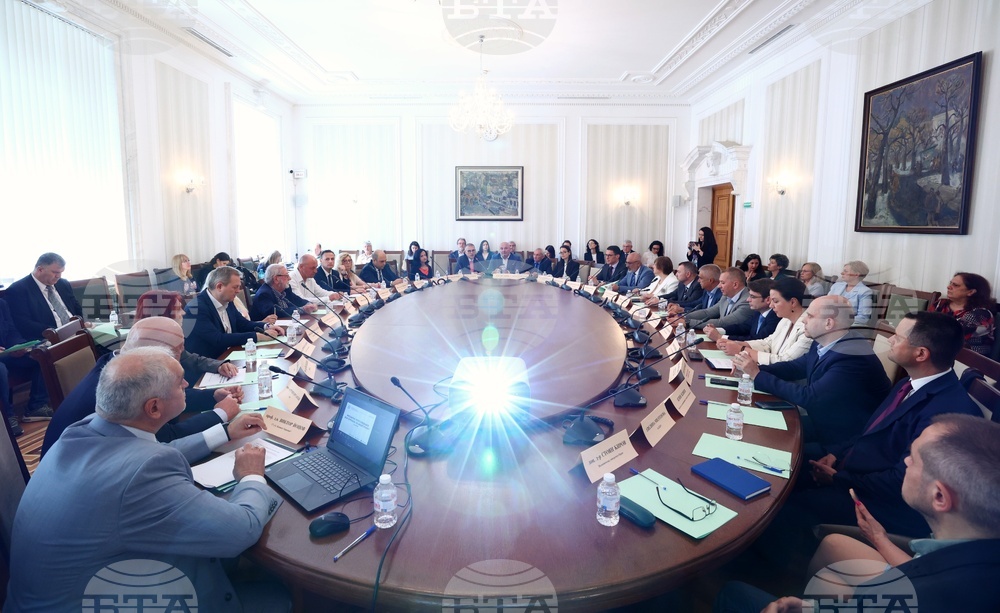
Fiscal consolidation, Bulgaria's economic outlook and the experience of Central and Eastern European countries, as well as the importance of effective and transparent public finance management, were among the topics discussed at an academic and policy conference on "Fiscal Consolidation in Times of Uncertainty", held here on Tuesday. The event was organized by the Fiscal Council and opened by its Chair, Simeon Djankov.
The forum, held at the National Assembly, brought together representatives from academia, business and public institutions, with the aim of promoting expert dialogue on current challenges and approaches to sustainable fiscal policy amid heightened economic and geopolitical uncertainty.
Simeon Djankov said that all EU countries face the issue of fiscal consolidation sooner or later and on a recurring basis. He added that one of the most significant developments in both Bulgaria and the EU is the allocation of funds for defence, which he said takes precedence over other priorities such as demographics, healthcare, education and regional development.
The following are key takeaways from the conference speakers:
Konstantin Prodanov, Chair of the Parliamentary Budget and Finance Committee, raised questions relevant to the upcoming budget procedure, including the appropriate pace of fiscal consolidation. "If we take the European Commission's requirements under the excessive deficit procedure, countries are expected to propose measures that reduce the structural deficit by 0.5 percentage points per year. Is that the right pace, or should we be more ambitious?" he asked.
Fiscal Council member Lyubomir Datsov said the Council had conducted research on the speed of fiscal adjustment and would support a strategy for 2026-2027 that improves the budget balance by at least 2 percentage points, which he described as a significantly sharper adjustment than the 0.5% target.
Prof. Viktor Yotsov of Sofia University said improving the budget balance should not automatically be associated with lower economic growth. He added that measures such as higher taxes or broadening the tax base may have short-term effects but are not effective in the long term.
Rumen Radev, Chair of the Governing Board of the Bulgarian Industrial Capital Association, argued that a more aggressive pace of consolidation would be preferable. He noted that Bulgaria's entry into the excessive deficit procedure was unexpected, but said it could provide a clearer political framework for necessary reforms. "Perhaps we expected a certain degree of flexibility and hoped to achieve what Slovenia managed to do and postpone it for another year. But perhaps it is better this way, because it gives those in government the political opportunity to make a much clearer commitment regarding the measures that are worth implementing," he said.
Silvia Georgieva, Executive Director of the National Association of Municipalities in the Republic of Bulgaria, said the consolidation measures implemented since 2009 had left municipalities heavily dependent on central government funding. As a result, local authorities now receive subsidies and transfers from the central budget and rely on only about 20% of revenues from their own sources, which they can manage independently.
After the forum, Djankov told journalists that within the next two to three weeks, the State, and specifically Parliament, should clearly define the 2025 deficit and outline measures already taken, in order to clarify the 2026-2027 budget framework. He said the 3% deficit previously announced by the former government was "not the truth", and that the 3.5% figure used by the European Commission was also incomplete.
He also suggested a range of possible measures, including requiring all retired employees to leave public service, as around 6,300 pensioners currently work in defence and the Interior Ministry; abolishing automatic wage increases across the public sector; and introducing a temporary tax on excess bank profits, which he said could generate around EUR 850 million annually.
/MR/
Additional




news.modal.image.header
news.modal.image.text
news.modal.download.header
news.modal.download.text
news.modal.header
news.modal.text