site.btaMPs, Experts Discuss Need for Education Reform in Bulgaria

The need for accelerated reform of Bulgaria’s education system to provide students with more effective and practical knowledge was discussed by MPs, institutional representatives and experts on Friday at the National Assembly.
The discussion on the topic of a vision of education with which Bulgaria can get ahead, instead of catch up, was held in Parliament at the initiative of Continue the Change Floor Leader Nikolay Denkov.
Denkov said the discussion was particularly important in light of Bulgaria’s latest results in the international PISA assessment, which Education Minister Georgi Valchev has described as "unsatisfactory". According to Denkov, Bulgaria has made no significant progress in the results, while the education system is still not adequately preparing children for life.
He noted that several education-related bills are currently being considered by the parliamentary Committee on Education and Science. Among the proposals, he said, are measures to support children whose mother tongue is not Bulgarian, as well as students with special educational needs.
Denkov said the curriculum should provide more time for practical exercises, while assessing students’ individual progress and developing their social skills should also become priorities. Teachers and parents, he added, should set an example of empathy, love and respect for others.
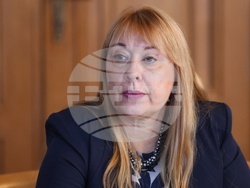
Ombudsman Velislava Delcheva also took part in the discussion, addressing the issues raised by parents in complaints and reports submitted to the Ombudsman’s institution.
Eleonora Lilova, head of the Regional Education Directorate in Sofia, said the education system faces a significant administrative burden. She also pointed to the repetition of material across many subjects, which she said places an unnecessary burden on students, and argued that the grading system is largely outdated. The aim, she said, should be to "make unclear grading clearer".
Lyuba Yordanova of the Teach for Bulgaria non-governmental organization presented the main findings from PISA among 15-year-old students. The assessment measures how well students can apply what they have learned at school to real-life and sometimes unfamiliar situations, she said. A large proportion of 15-year-olds in Bulgaria have not mastered reading comprehension, critical thinking and working with data, Yordanova noted.
Rossitsa Steliyanova of the Bulgarian Industrial Capital Association said there is currently no active strategy that takes a comprehensive approach to education, from kindergarten through the final school grade, with the aim of preparing young people who can contribute to the country’s economic development.
Maria Brestnichka of the National Network for Children in Bulgaria echoed this concern, saying that the large number of separate bills proposing changes to the education system should not be viewed as positive in itself. According to her, there is a lack of a unified vision for education. Brestnichka also stressed that, alongside academic knowledge, the issue of violence among children must be addressed. She called for a calm, data-based discussion through which the needs and expectations surrounding the education system can be clearly identified.
/YV, RD/

Additional



news.modal.image.header
news.modal.image.text
news.modal.download.header
news.modal.download.text
news.modal.header
news.modal.text