site.btaMigration Situation along State Border Is Currently Calm, Interior Minister Dechev Says
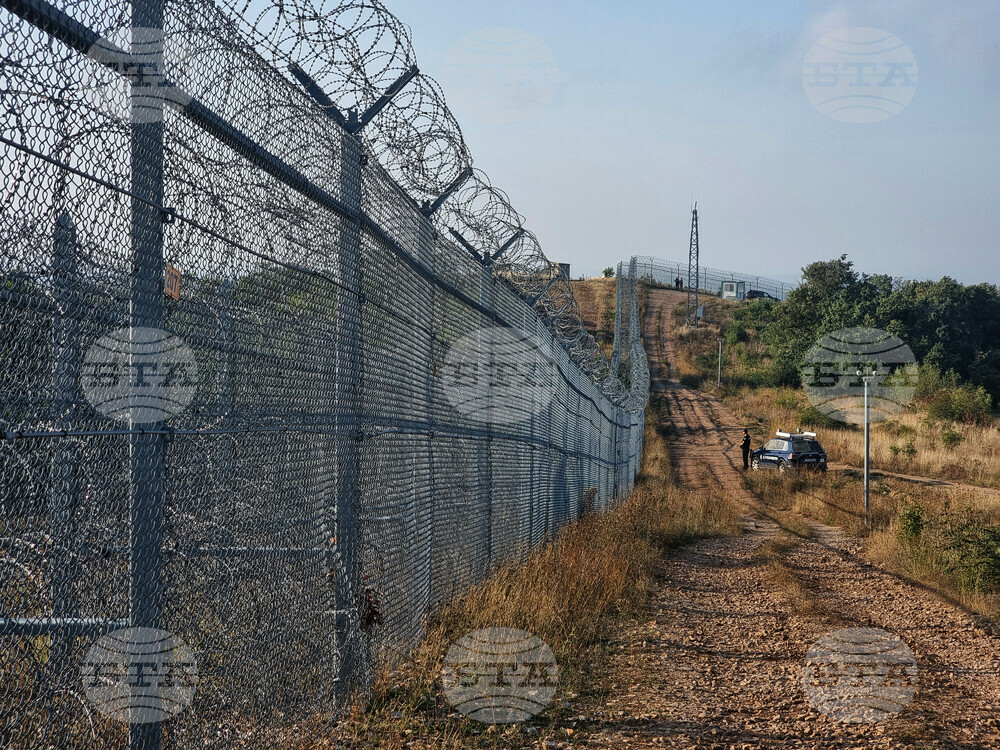
A written response to a parliamentary question by caretaker Interior Minister Emil Dechev, regarding the Interior Ministry’s actions in the event of potential migration pressure arising from the conflict in the Middle East, says that "the migration situation along Bulgaria’s state borders is currently calm. A sustained decrease in migratory pressure has been observed, which is 70% lower compared to previous years."
Dechev noted that significant technical, financial, and human resources are being invested in border protection, maintaining constant readiness to respond to new trends or shifts in the routes used by illegal migrants.
The response highlights that border control capacity has been strengthened by adding 1,264 new posts to the Border Police, tripling the presence of officers from Frontex, the European Border and Coast Guard Agency, along the Bulgarian-Turkish border, and increasing their presence along the Bulgarian-Serbian border. A joint police contingent, composed of officers from Austria, Bulgaria, Hungary, Romania, and Greece, is deployed along the Bulgarian-Turkish border.
The integrated border surveillance system has also been expanded with more than 110 km of new sectors, including two newly operational sensor lines. For border monitoring purposes, with Frontex support, a total of 510 new vehicles and 34 drones have been provided. Handheld thermal cameras, portable surveillance systems, and night-vision devices have been supplied, and patrols also include service dogs.
Specialized police operations continue along the Turkish border and parts of the Greek border to prevent and intercept attempts by individual migrants or groups to cross illegally, Dechev added.
Unmanned aerial systems are actively used to support border patrols. Regular flights along the Bulgarian-Turkish and parts of the Black Sea border with remotely piloted aircraft enhance situational awareness along the external border of the European Union.
On March 19, at the European Council meeting, caretaker Prime Minister Andrey Gurov said that neither NATO nor the EU are currently involved in the Middle East conflict. He highlighted the need for de-escalation, efforts to stop military actions, and calming tensions amid high energy prices and potential migration pressure. “Any actions in this direction that would help stabilize the situation will have our support,” Gurov stated.
/RD/
news.modal.header
news.modal.text