site.bta State Enterprise Radioactive Waste Receives First Electronic Decommissioning License in Bulgaria
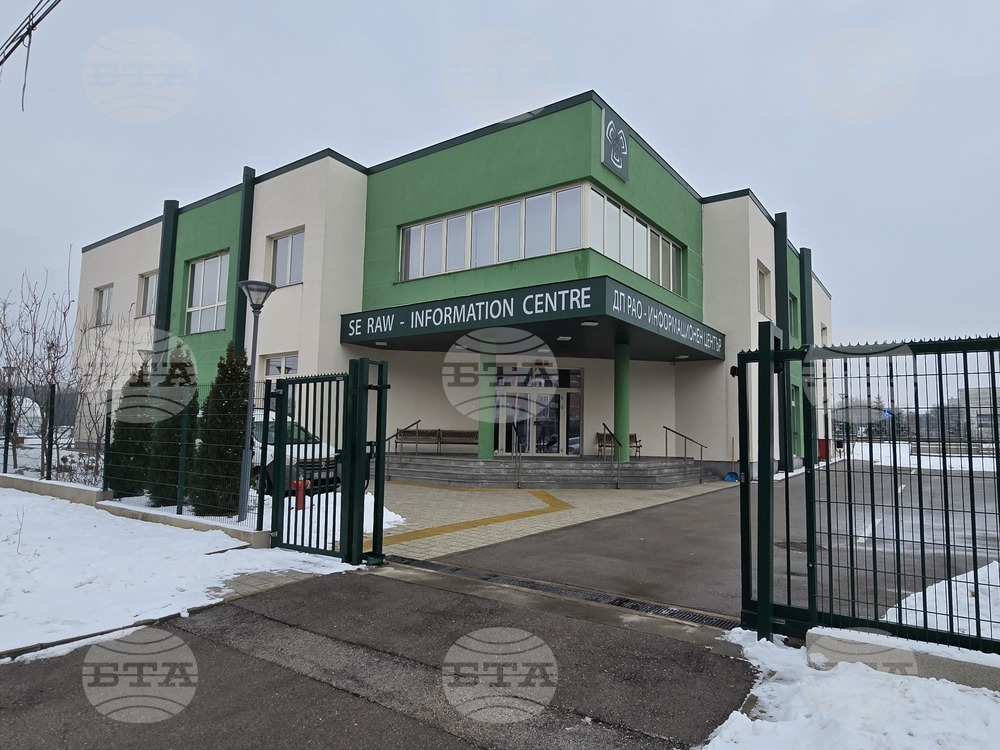
The State Enterprise Radioactive Waste has received the first electronic license for decommissioning in Bulgaria, the company announced on Friday. The document, issued by the Nuclear Regulatory Agency, has been in force since January 1, 2026, for a period of five years and defines the safety requirements for the decommissioning of the Permanent Radioactive Waste Repository near the western village of Novi Han.
The facility is intended for the temporary storage of low- and intermediate-level radioactive waste generated in the country by industry, medicine, agriculture, and scientific research (institutional radioactive waste). The installation has been in operation since 1964 as part of the Institute for Nuclear Research and Nuclear Energy of the Bulgarian Academy of Sciences, and since 2006 it has been within the structure of the State Enterprise Radioactive Waste.
From the beginning of January 2026, in accordance with the Strategy for Spent Nuclear Fuel and Radioactive Waste until 2030, the nuclear facility transitioned from the operational phase to the decommissioning phase. Decommissioning activities under the terms of the issued license include decontamination and dismantling of structures, systems, and components, as well as management of materials and radioactive waste resulting from the decommissioning process. According to Radioactive Waste, the decommissioning work is carried out in full compliance with the Safe Use of Nuclear Energy Act and the applicable regulations.
The document lays the foundation for a digitalized regulatory process in the nuclear sector.
In October 2025, the State Enterprise Radioactive Waste announced that the National Radioactive Waste Repository should be completed by the end of March 2026. The facility is intended for processed and conditioned radioactive waste generated solely on the territory of Bulgaria. The repository is planned to be gradually filled over a period of 60 years. After that, it is expected to be closed and kept under permanent monitoring for a period of 300 years.
/DS/
news.modal.header
news.modal.text