site.btaOver 65% of Schools and Kindergartens in Bulgaria Lack Ventilation Systems - Survey
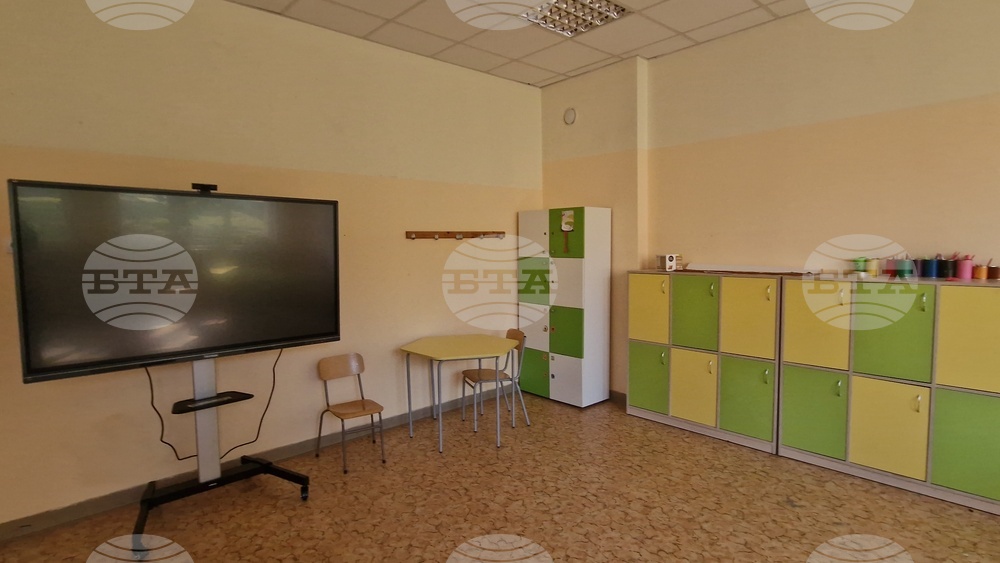
More than 65% of schools and kindergartens in Bulgaria lack ventilation systems, according to a national survey published by the Bulgarian Association for Heating, Ventilation, and Air Conditioning (BAOVK) on Monday.
The survey, carried out at the end of 2025 as a voluntary online questionnaire with the support of the Regional Education Directorates, covered over 200 schools and kindergartens across six regions: Northwest, North Central, Northeast, Southwest, South Central, and Southeast.
The findings show that only slightly over 1% of educational institutions have central mechanical ventilation providing the required fresh air and maintaining the standards for indoor climate. Around 20% of buildings have partial solutions, usually limited to specific rooms, while just over 4% of respondents indicated plans to install such systems.
The survey also found that a significant number of schools lack systematic monitoring of indoor air quality indicators, such as temperature, relative humidity, and carbon dioxide concentration. More than 53% of participants said they measure these parameters only periodically, and over 30% reported having no data on current indoor air quality.
Regarding regulatory compliance, nearly half of the respondents (48%) said they were only partially aware of the requirements for minimum fresh air supply in classrooms, while around 8% said they were completely uninformed. The results indicate a widespread lack of thorough knowledge of current standards.
The survey also revealed limited awareness of the link between ventilation and health. While over 62% of respondents had some understanding of the effect of ventilation systems on the health of students and staff and the spread of respiratory diseases, more than 23% lacked such awareness. Experts note that effective ventilation could help reduce illness, especially during flu epidemics.
On financing, over 45% of respondents said they were aware of European and national programmes supporting energy efficiency measures, including ventilation systems, but lacked specific information on conditions and procedures. More than 20% had no knowledge of such programmes.
When asked about actual needs, only slightly over 4% identified improving indoor air quality as urgent, while around 19% planned to take action within one to two years. The largest group, over 36%, could not provide a definitive assessment and indicated a need for professional consultation.
Ivan Armyanov, member of BAOVK’s Management Board said that the results clearly show that ventilation problems in schools are systemic. Many schools lack both technical solutions and sufficient awareness of regulations and financing options. This poses a risk to the health of students and teachers and underscores the need for coordinated action, Armyanov added.
/NF/
news.modal.header
news.modal.text