site.bta21 Graphic Works by Francisco Goya Shown in Sofia Exhibition
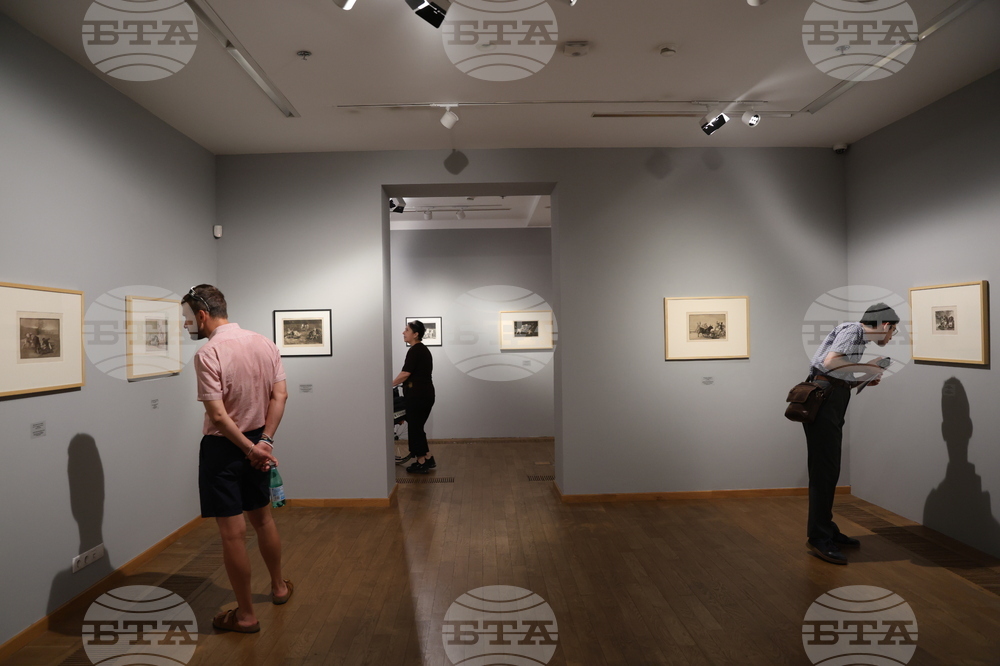
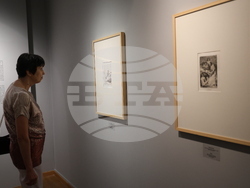
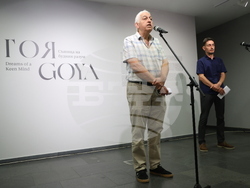
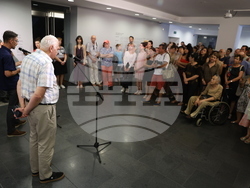
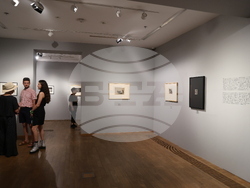
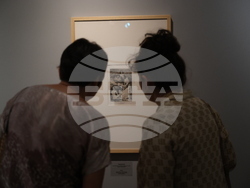
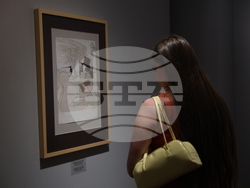
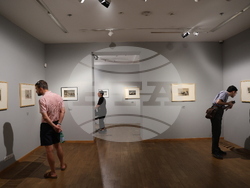
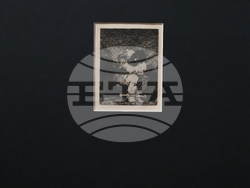
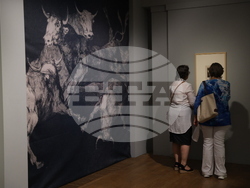
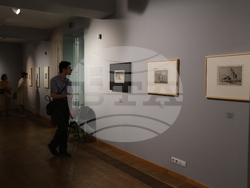
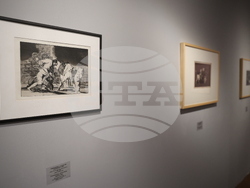
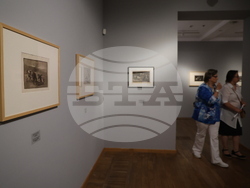
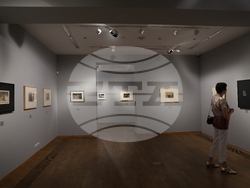
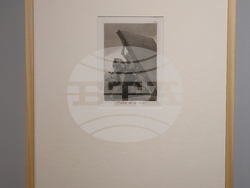
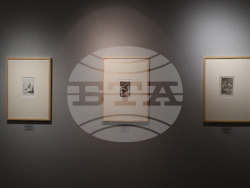
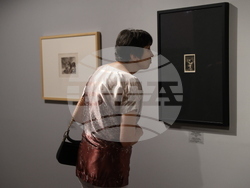
Twenty-one graphic works by the Spanish artist Francisco Goya are shown in a Sofia exhibition. Titled Francisco Goya: Dreams of a Keen Mind, it opened Tuesday evening at the Kvadrat 500 building of the National Gallery. The works on display follow the artist's development from his early etchings, influenced by Diego Velazquez's style, to the works that established him as one of the sharpest social commentators in the history of art. The exhibition includes works from Goya's four most famous graphic series - Los Caprichos (The Caprices), Los Desastres de la Guerra (The Disasters of War), La Tauromaquia (The Art of Bullfighting), and Los Disparates (The Follies).
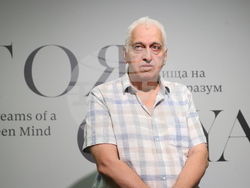
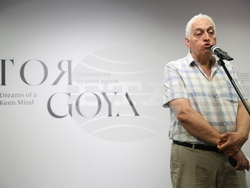
Nikolai Ushtavaliiski, Deputy Director of the National Gallery, said that the current exhibition would be a source of pride for any major European art museum. Ushtavaliiski added that in the panorama of Western European art, Goya stands out as a cornerstone marking the boundary between two eras. "Goya's artistic and ethical-philosophical insights paved the way for the Modern Age and the art of modern times," the National Gallery Deputy Director noted.
Ushtavaliiski described the Spanish painted as the first artist to question the fundamental tenets of humanity, as his print series constitute a merciless dissection of human nature amid wars, violence, moral destitution, religious oppression, and oppression of every kind.
The exhibition's curator, Kalin Nikolov, said that the exhibition is composed of "everything that was most dear to this master". Nikolov noted that when the Caprichos (Spanish for whims, caprices, fantasies) was published in 1799, the series was banned just 48 hours later. Goya himself, despite his high social standing, was summoned before the Inquisition to provide explanations and dispel suspicions that he had depicted specific figures from political and public life.
The National Gallery houses seven works from the Los Caprichos series. Satirizing the institutional pillars of power, the church, the Inquisition, the parasitism of the feudal nobility, and the decay of the moral values of social classes, was the reason for the series to be banned from exhibiting.
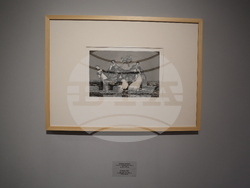
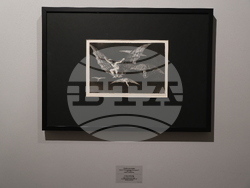
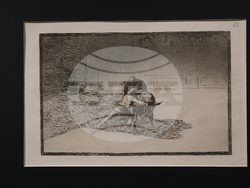
The Los Desastres de la Guerra (The Disasters of War) series, which Goya began circa 1810, and returned to circa 1820, was not published by the artist during his lifetime. One of the works is titled Prisoner. The Custody Is as Barbarous as the Crime. It is considered unique, as it is rarely found in other museums and private collections around the world. Visitors will also be able to see five more prints from the La Tauromaquia series, dedicated to bullfighting, as well as four sheets from the Los Disparates series, including Little Bulls' Folly and A Way of Flying.
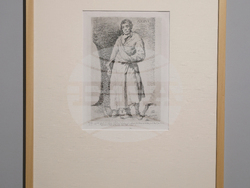
The National Gallery also owns the etching Blind Singer, emotionally described by artist and writer Nikolay Raynov, in his History of the Plastic Arts (1939), as first among the curious and significant graphic works of Goya.
The exhibition also includes a work by the Spanish surrealist artist, Salvador Dali (1904-1989), dedicated to Goya and his Caprichos.
The exhibition will run through October 21.
/NF/
Additional


news.modal.image.header
news.modal.image.text
news.modal.download.header
news.modal.download.text
news.modal.header
news.modal.text