site.btaSofia Exhibition Explores Humanity through Works by Turkish and Austrian Artists
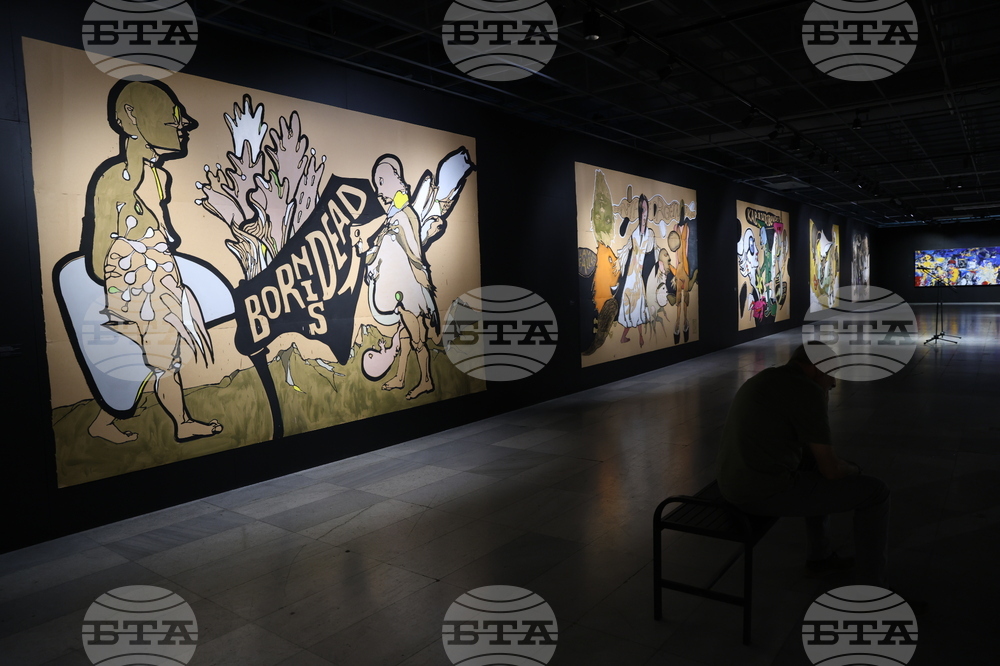
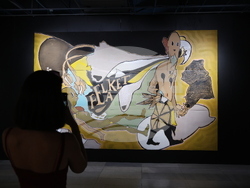
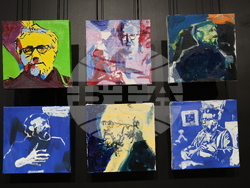
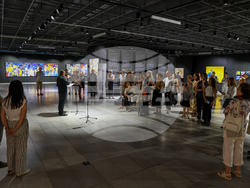
An exhibition titled “We Came to Be Human”, featuring works by Turkish artist Mustafa Horasan (1965–2026) and Austrian visual artist of Kurdish origin Hüseyin Işık, opened at the Union of Bulgarian Artists (UBA) in Sofia Tuesday. The exhibition marks the beginning of the UBA's new season.
Organized with the support of the Austrian Cultural Forum in Sofia, the exhibition is on until September 24.
“We Came to Be Human” brings together the intersecting artistic paths of Horasan and Işık, shaped by friendship, shared memory and the responsibility of being human,” UBA Chairman Lyuben Genov said in his welcoming address. Following Horasan's sudden death while the exhibition was being prepared, the project has also taken on a commemorative character, Genov said.
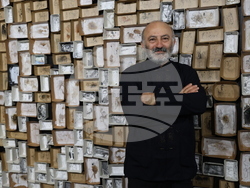
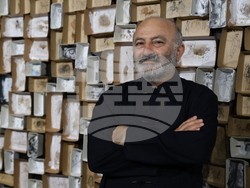
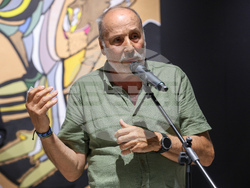
Hüseyin Işık told the audience that he and Horasan had planned the exhibition together and had discussed details of the project only hours before the artist's death. The question of what it means to be human is a theme that both artists independently explored in their work.
“We believe that no one is automatically born human. Being human develops as a process,” Işık said.
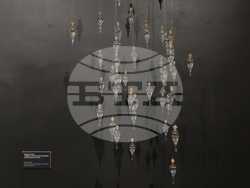
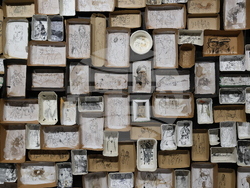
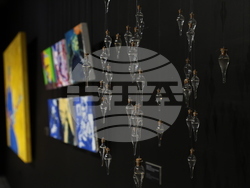
Among the works on display is Işık's installation “The Man Cries / Elegy for Horasan”, consisting of numerous bottles filled with a liquid resembling tears. Işık told BTA that the vessels were modelled on tear bottles used in ancient Rome. He said the idea for the installation had emerged before Horasan's death, but following his loss he changed the accompanying text to place the work in the context of grief and tears.
Işık explained that his work explores the different psychological processes and states of human beings. "A person can feel shame, laugh, cry,” .
Krasimir Linkov, director of the Plovdiv City Art Gallery and curator of the project, said the works on display had been created specifically for the exhibition. “What you see here is their confession in relation to their beliefs,” he said, expressing hope that visitors would feel the power of the exhibition's message and reflect on “the human within themselves” and their place in society. The enduring conflict between the individual and society is evident both in the artists' approaches and in the themes they explore, Linkov added.
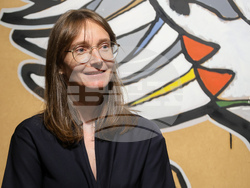
Antonia Bierbaumer, Director of the Austrian Cultural Forum in Sofia, said the exhibition was the forum's first project carried out jointly with the UBA.
“I believe this is more than just an ordinary exhibition. It asks each of us the question: ‘What does it mean to be human?’” Bierbaumer said.
The project team also includes Milena Kitipova, assistant curator and exhibition designer, Işık, who contributed the texts and spatial planning, and the UBA team. Photographs of the works were taken by Horasan and Işık. The exhibition is part of the UBA's “Projections of Creativity 3” project, supported by the National Culture Fund.
/AM/

Additional












news.modal.image.header
news.modal.image.text
news.modal.download.header
news.modal.download.text
news.modal.header
news.modal.text