Constanta Antarctic science symposium
![Scientists Will Study How Seabirds Spread Microplastics in Antarctica]()
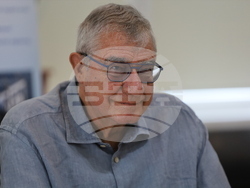
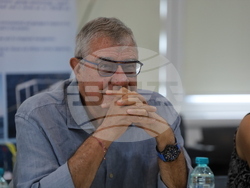
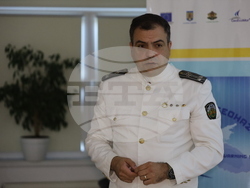
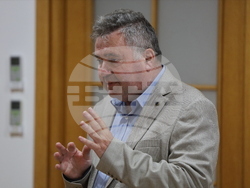
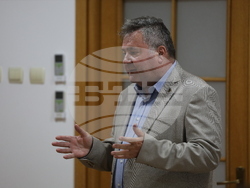
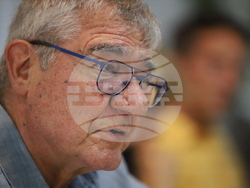
![Scientists Will Study How Seabirds Spread Microplastics in Antarctica]() Viorel Dumitru Gavril (BTA Photo/Ilko Valkov)
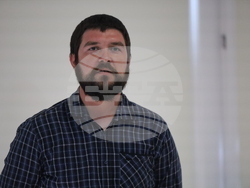
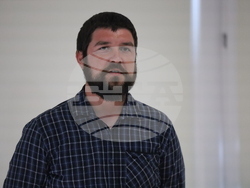
Viorel Dumitru Gavril (BTA Photo/Ilko Valkov)
![Румъния - Констанца - симпозиум - България - учени]()
![Румъния - Констанца - симпозиум - България - учени]()
![Румъния - Констанца - симпозиум - България - учени]()
![Румъния - Констанца - симпозиум - България - учени]()
![Румъния - Констанца - симпозиум - България - учени]()
![Румъния - Констанца - симпозиум - България - учени]()
![Румъния - Констанца - симпозиум - България - учени]()
![Румъния - Констанца - симпозиум - България - учени]()
![Румъния - Констанца - симпозиум - България - учени]()
![Румъния - Констанца - симпозиум - България - учени]()
![Румъния - Констанца - симпозиум - България - учени]()
![Румъния - Констанца - симпозиум - България - учени]()
![Румъния - Констанца - симпозиум - България - учени]()
![Румъния - Констанца - симпозиум - България - учени]()
![Румъния - Констанца - симпозиум - България - учени]()
![Румъния - Констанца - симпозиум - България - учени]()
![Румъния - Констанца - симпозиум - България - учени]()
![Румъния - Констанца - симпозиум - България - учени]()
![Румъния - Констанца - симпозиум - България - учени]()
![Румъния - Констанца - симпозиум - България - учени]()
![Румъния - Констанца - симпозиум - България - учени]()
![Румъния - Констанца - симпозиум - България - учени]()
![Румъния - Констанца - симпозиум - България - учени]()
![Румъния - Констанца - симпозиум - България - учени]()
![Румъния - Констанца - симпозиум - България - учени]()
![Румъния - Констанца - симпозиум - България - учени]()
![Румъния - Констанца - симпозиум - България - учени]()
![Румъния - Констанца - симпозиум - България - учени]()
![Румъния - Констанца - симпозиум - България - учени]()
![Румъния - Констанца - симпозиум - България - учени]()
![Румъния - Констанца - симпозиум - България - учени]()
![Румъния - Констанца - симпозиум - България - учени]()
![Румъния - Констанца - симпозиум - България - учени]()
![Румъния - Констанца - симпозиум - България - учени]()
![Румъния - Констанца - симпозиум - България - учени]()
![Румъния - Констанца - симпозиум - България - учени]()
![Румъния - Констанца - симпозиум - България - учени]()
![Румъния - Констанца - симпозиум - България - учени]()
![Румъния - Констанца - симпозиум - България - учени]()
![Румъния - Констанца - симпозиум - България - учени]()
![Румъния - Констанца - симпозиум - България - учени]()
![Румъния - Констанца - симпозиум - България - учени]()
![Румъния - Констанца - симпозиум - България - учени]()
![Румъния - Констанца - симпозиум - България - учени]()
![Румъния - Констанца - симпозиум - България - учени]()
![Румъния - Констанца - симпозиум - България - учени]()
![Румъния - Констанца - симпозиум - България - учени]()
![Румъния - Констанца - симпозиум - България - учени]()
![Румъния - Констанца - симпозиум - България - учени]()
![Румъния - Констанца - симпозиум - България - учени]()
![Румъния - Констанца - симпозиум - България - учени]()
![Румъния - Констанца - симпозиум - България - учени]()
![Румъния - Констанца - симпозиум - България - учени]()
![Румъния - Констанца - симпозиум - България - учени]()
![Румъния - Констанца - симпозиум - България - учени]()
![Румъния - Констанца - симпозиум - България - учени]()
![Румъния - Констанца - симпозиум - България - учени]()
![Румъния - Констанца - симпозиум - България - учени]()
![Румъния - Констанца - симпозиум - България - учени]()
![Румъния - Констанца - симпозиум - България - учени]()
![Румъния - Констанца - симпозиум - България - учени]()
![Румъния - Констанца - симпозиум - България - учени]()
![Румъния - Констанца - симпозиум - България - учени]()
![Румъния - Констанца - симпозиум - България - учени]()
![Румъния - Констанца - симпозиум - България - учени]()
![Румъния - Констанца - симпозиум - България - учени]()
![Румъния - Констанца - симпозиум - България - учени]()
![Румъния - Констанца - симпозиум - България - учени]()
![Румъния - Констанца - симпозиум - България - учени]()
![Румъния - Констанца - симпозиум - България - учени]()
![Румъния - Констанца - симпозиум - България - учени]()
![Румъния - Констанца - симпозиум - България - учени]()
![Румъния - Констанца - симпозиум - България - учени]()
![Румъния - Констанца - симпозиум - България - учени]()
![Румъния - Констанца - симпозиум - България - учени]()
![Румъния - Констанца - симпозиум - България - учени]()
![Румъния - Констанца - симпозиум - България - учени]()
![Румъния - Констанца - симпозиум - България - учени]()
![Румъния - Констанца - симпозиум - България - учени]()
![Румъния - Констанца - симпозиум - България - учени]()
![Румъния - Констанца - симпозиум - България - учени]()
![Румъния - Констанца - симпозиум - България - учени]()
![Румъния - Констанца - симпозиум - България - учени]()
![Румъния - Констанца - симпозиум - България - учени]()
![Румъния - Констанца - симпозиум - България - учени]()
![Румъния - Констанца - симпозиум - България - учени]()
![Румъния - Констанца - симпозиум - България - учени]()
![Румъния - Констанца - симпозиум - България - учени]()
![Румъния - Констанца - симпозиум - България - учени]()
![Румъния - Констанца - симпозиум - България - учени]()
![Румъния - Констанца - симпозиум - България - учени]()
![Румъния - Констанца - симпозиум - България - учени]()
![Румъния - Констанца - симпозиум - България - учени]()
site.btaScientists Will Study How Seabirds Spread Microplastics in Antarctica
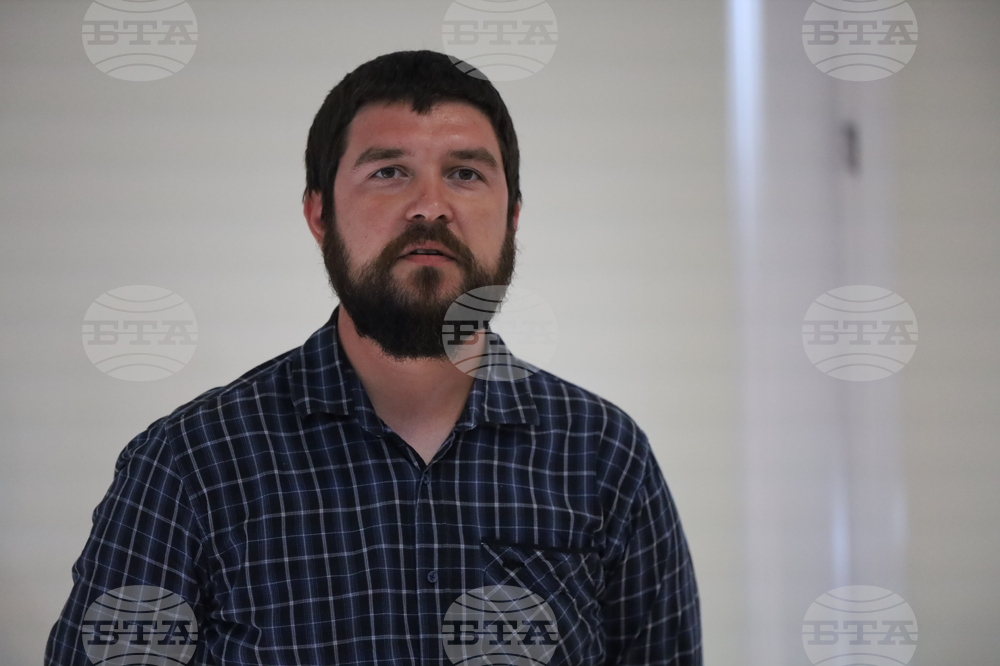
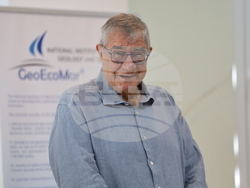
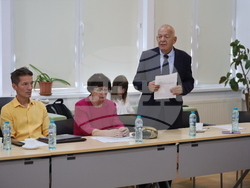
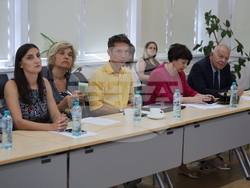
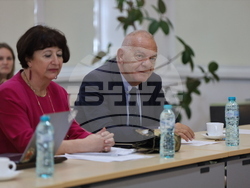
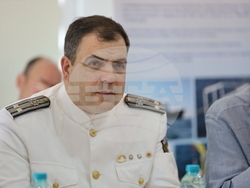
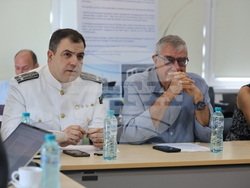
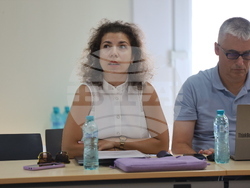
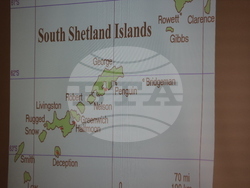
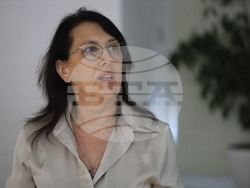
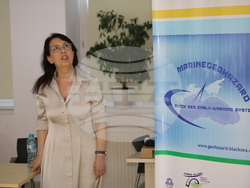
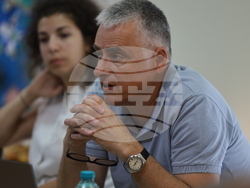
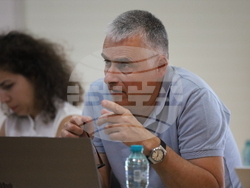
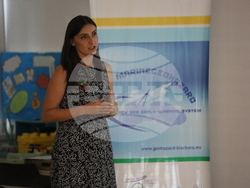
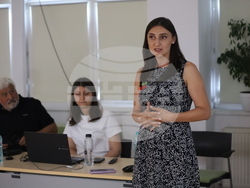
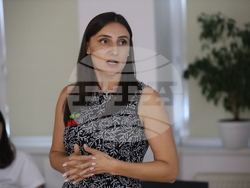
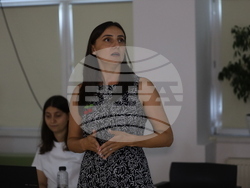
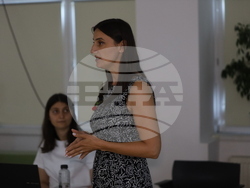
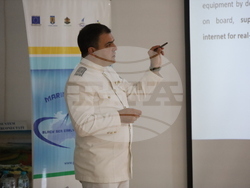
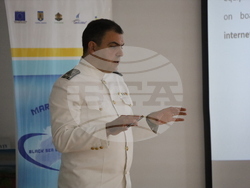
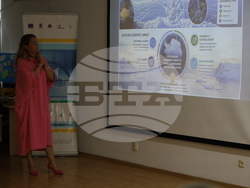
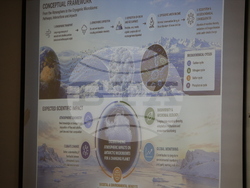
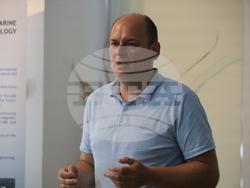
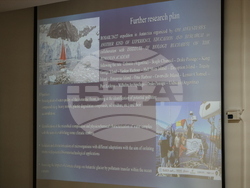
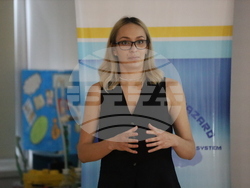
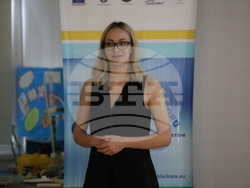
Constanta-based ecologist and marine biologist Viorel Dumitru Gavril presented a study on the distribution of microplastics in the Antarctic region at the Bulgarian-Romanian Symposium on Scientific Research in Antarctica, held here on Wednesday. The study aims to determine whether microplastic pollution is linked to local bird populations or introduced by migratory species.
Gavril explained that microplastics are plastic particles smaller than five millimetres, while nanoplastics measure less than one micrometre. He noted that microplastics pose a serious risk to both human health and marine organisms, while their environmental impacts remain insufficiently understood.
He pointed out that even everyday activities, such as washing synthetic clothing and using certain types of toothpaste, release microplastic particles into the environment. According to him, fish and seabirds ingest these particles, contributing to their spread across different regions.
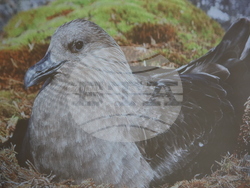
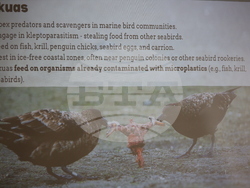
Gavril said that the brown skua - a large seabird found throughout Antarctica and the subantarctic islands, known for frequently stealing food from other birds—is particularly well suited for this type of research because of its characteristic behaviour and feeding habits.
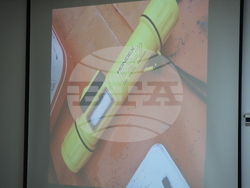
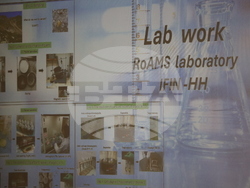
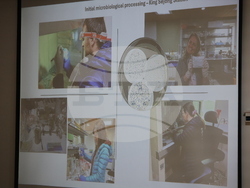
The scientist explained that the laboratory work will involve extracting microplastic particles from biological samples collected in the birds' nesting areas. The objective is to determine whether the detected microplastics originate from the local environment or have been transported from elsewhere. The study will also analyse soil samples from nesting sites to trace the origin of the plastic particles.
/DS/
Additional


news.modal.image.header
news.modal.image.text
news.modal.download.header
news.modal.download.text
news.modal.header
news.modal.text