site.btaJuly Morning: Unique Bulgarian Tradition Lives On
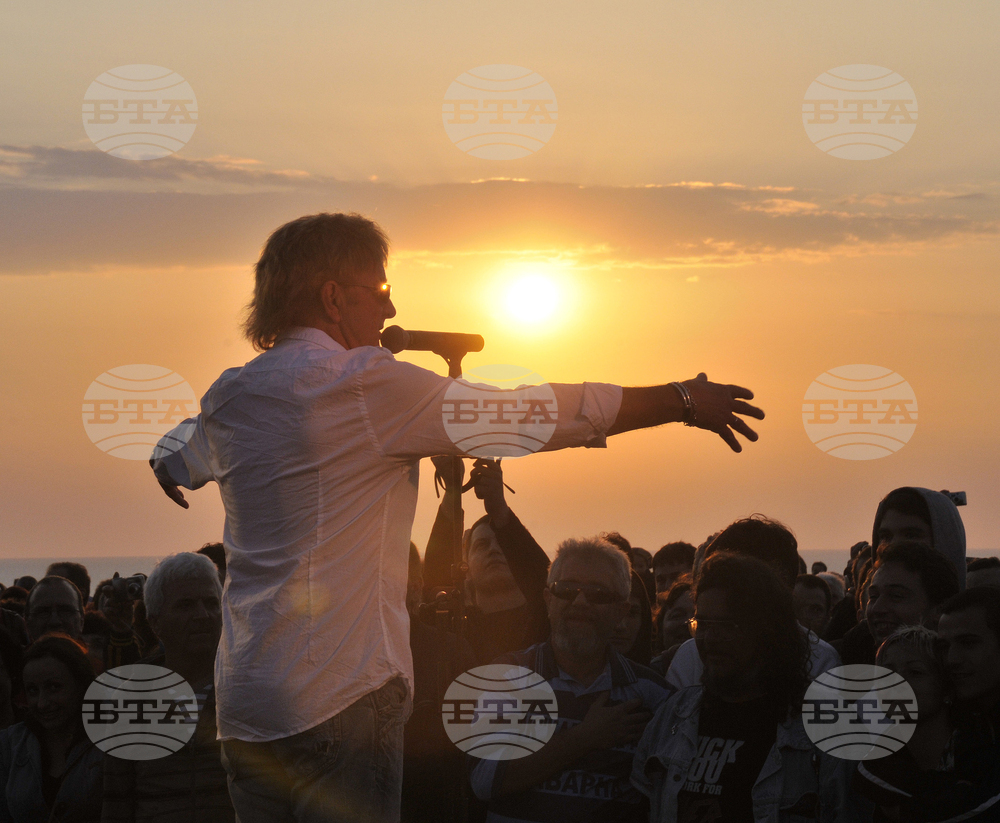
One of Bulgaria's most recognizable informal traditions is observed annually on the night of June 30 to July 1, as people gather to welcome the first sunrise of July.
Thousands of people assemble along Bulgaria's Black Sea coast, as well as at locations across the country's interior, to greet the dawn. Particularly popular are riverbanks, lakeshores and other waterside locations, hilltops offering wide panoramic views, and virtually any elevated point overlooking the larger cities. In principle, the sunrise can be welcomed from any east-facing balcony. For those who cannot spend the night outdoors, this is enough to feel part of the occasion.
The name of the event, July Morning - known in Bulgarian simply as Dzhulay - comes from the song July Morning by the British rock band Uriah Heep. Written by band member Ken Hensley, this enduring classic has become the unofficial anthem of the celebration.
There are at least two accounts of how the tradition first emerged on Varna's seafront. According to one version, the first Dzhulay was celebrated in 1980 by a group of friends shortly before they were called up for compulsory military service. They chose to mark the symbolic beginning of their final "summer of freedom" by listening to a song that perfectly captured the moment. Another version tells of a young hippie conscript from Varna who, while standing guard on the night of June 30, watched the sunrise on July 1 with July Morning playing in his mind. Overwhelmed by loneliness, he vowed that no one should ever again have to greet the first sunrise of July alone. After his discharge from the military, he shared the idea with friends in Varna in 1985. The following year they repeated the gathering, and as the word spread, dozens of like-minded people began travelling to the Black Sea city to take part.
The place most closely associated with the tradition is the village of Kamen Bryag, near Kavarna. Drawn by its spectacular coastal scenery and the sense of openness, tranquility and solitude, thousands of people from Bulgaria and abroad gather on the dramatic cliffs to send off the night and welcome the rising sun over the eastern horizon. Many regard this experience as spiritually cleansing, although it is not associated with any pagan or religious ritual.
July Morning began as a peaceful protest against Bulgaria's communist regime and as an expression of the desire for personal freedom. It was organized by groups of free-spirited young people who spent the night singing banned songs, lighting bonfires on the beach, and gathering together to share the experience.
The tradition survived the fall of communism in 1989. Some believe that the event has gradually lost much of its original significance and that younger generations are not necessarily familiar with the circumstances in which it arose, or even with the authorship of the song that inspired it. Nevertheless, the emotional experience of witnessing the first rays of the morning sun, a symbol of renewal and new beginnings, remains the main reason why people continue to celebrate.
The philosophy of July Morning has remained unchanged: peace, freedom and hope for a fresh start, together with an escape from urban life and modern civilization. It is also seen as a form of protest against the pressures of everyday life and an opportunity to free oneself, if only briefly, from the constraints of the modern city.
Starting in 2004, Uriah Heep vocalist John Lawton performed July Morning every year at the Kaliakra Rock Fest, held at Kamen Bryag at dawn on July 1. When the festival moved to Tutrakan on the banks of the River Danube, Lawton gave his final sunrise performance there in 2018. He died unexpectedly on June 29, 2021, aged 74.
On March 19, 2022, the rock legend's wife and children scattered his ashes over Kamen Bryag. Later that year, on July 1, a monument to John Lawton was unveiled at the site known as Ogancheto ("The Little Fire") in Kamen Bryag, where for many years the great friend of Bulgaria had performed the iconic song at sunrise.
Following is the original news item in English by which BTA's External Service covered the July Morning celebration in 2008:
109 BULGARIA - KAVARNA - JULY MORNING
Hippies and Rockers Welcome In July Sun
Kavarna, on the Black Sea, July 1 (BTA) - Around 6,000 people gathered on the Black Sea coast at Kamen Bryag near Kavarna to welcome the first July sunrise on Tuesday.
The tradition, which has its roots in the hippie movement, has been gathering ever larger followings in recent years. Called July Morning after English heavy metal band Uriah Heep's eponymous 1971 song, the gatherings began in the 1980s as a subtle protest against the communist regime, which did not allow Western music.
Young and old hippies, rockers and metalheads began gathering at the cult locality of Ogancheto ("The Little Fire") near Kamen Bryag early on Monday. Bands began performing in the near darkness from a little after 4 am on Tuesday morning. At 5:32 am, on the point of sunrise, Uriah Heep members John Lawton (who lives in Kavarna for part of the year) and Ken Hensley performed the cult song July Morning, for which they were enthusiastically joined by the devoted crowd.
[Kavarna] Mayor Tsonko Tsonev said that this year's organization of the concert in terms of facilities and security was much better than it was in 2007. NT
/LG/
news.modal.header
news.modal.text