Tripartite Council Fails to Agree on Draft State Budget Act
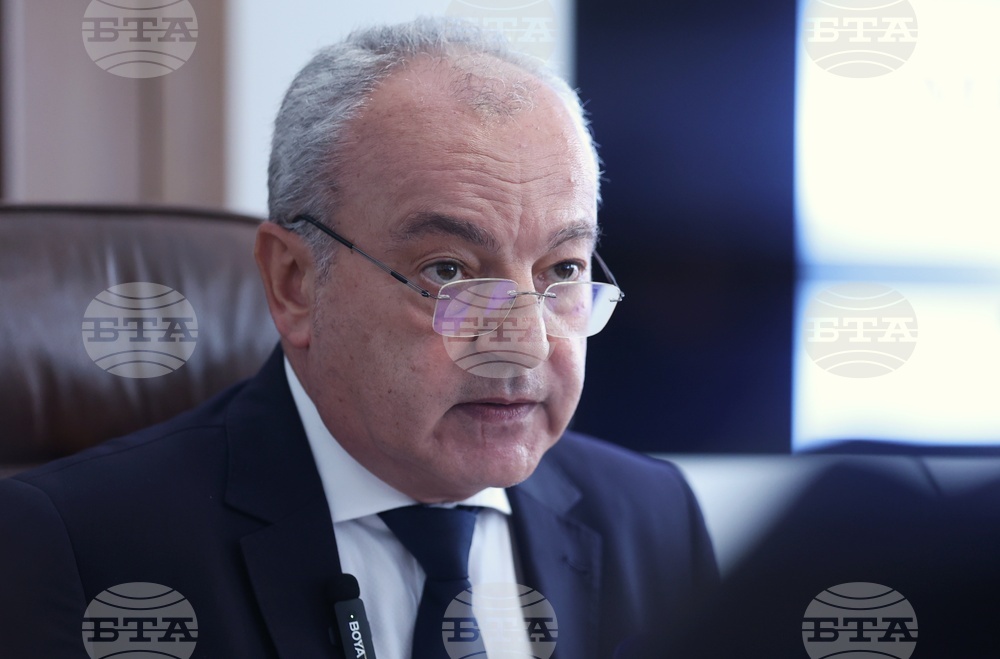
The National Council for Tripartite Cooperation failed to reach unanimity on the draft State Budget Act, Deputy Prime Minister and Minister of Finance Galab Donev said on Monday.
Interviewed on Bulgarian National Television on Saturday, Deputy Prime Minister and Finance Minister Galab Donev said that the 2026 state budget draft, which is due to be submitted to Parliament on July 1, "reflects reality."
Donev said that the draft is not the budget people had hoped for, adding that the government intends to roll out policy changes in the 2027 budget instead. He noted that the budget has effectively been in implementation since January 1, 2026 and in the period up to May 7, Bulgaria was governed by the administrations of Rosen Zhelyazkov and Andrey Gurov. Besides being required to implement the budget extension law, the two governments also adopted additional decisions that increased the State's budget commitments by more than EUR 1.1 billion, he said.
"What Parliament will now be debating is a budget that reflects reality, with the figures exactly as they are. Whether politicians like those figures or not, we should ask ourselves who bears responsibility for the current state of public finances. Why is the deficit 5.7% of GDP even after the measures included in the budget? Why isn't it 3% or below 3%? Or why don't we have a balanced budget? These are all questions that need to be asked, and the answers should be sought from those who were in power until now," Donev added.
Donev said the current government is seeking, through the measures it has proposed and the commitments it has made to voters, to "restore normality to public finances so that, from a certain point onward, the State can develop normally and businesses can operate in a predictable environment." This will be guaranteed and achieved through the 2027 budget, he added.
In regard to the draft budget, the Finance Minister said that what Progressive Bulgaria is doing is "completing long-term policies initiated by previous governments, which have brought the country to its current state of an excessive budget deficit."
As to planned reforms, Donev said Bulgaria needs a comprehensive overhaul of the public administration that would ensure citizens receive better and more efficient services, businesses are satisfied, and the administrative and regulatory burden is reduced.
Referring to some of the measures included in the budget draft, which are due to take effect on August 1, Donev said the maximum contributory income would be increased and argued that the impact on people's incomes would be minimal, while they would receive significantly higher unemployment benefits if needed. Pensions would also increase, meaning insured individuals would ultimately benefit from the higher minimum and maximum contributory incomes, he said.
Donev noted that executive directors and members of the boards of directors at all public enterprises in which the state holds a stake of 50% or more will be subject to a salary cap.
He added that reports of substantial pay rises at the Energy and Water Regulatory Commission and the Bulgarian Nuclear Regulatory Agency were the result of a technical error that has since been corrected. The same applies to the budget figures for the judiciary, which he said stemmed from a technical mistake made by the Supreme Judicial Council and has also been rectified.
The Minister also commented on the planned increase in road tolls and vignette fees. He said the vignette and toll systems were introduced so that the revenue they generate could make the Road Infrastructure Agency financially self-sufficient, reducing the burden of road construction and maintenance on the state budget. This objective, however, has not been achieved, he said, noting that the toll system collected some BGN 1 billion last year. He argued that vignette fees were temporarily suppressed to keep inflation low for euro area accession. It is now only natural for those fees to return to their previous levels, he said, adding that the planned 30% increase in vignette charges amounts to an average of around EUR 1.20 per month.
Asked whether the government was concerned about possible protests, Donev said it was not, adding that the Cabinet is in dialogue with all stakeholders, including trade unions and employers' organizations. He described protests as a normal feature of democracy that allows professional groups and other sections of society to express their views.
/IV/
news.modal.text