site.btaDraft 2026 State Budget Projects Deficit Above 3%, Prime Minister Says
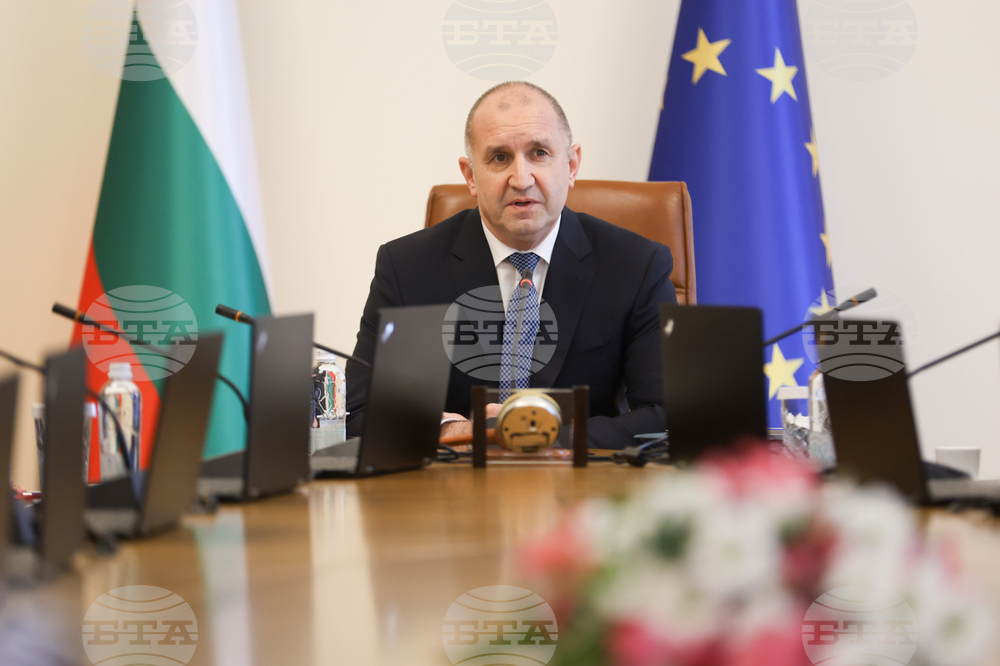
The draft 2026 State Budget projects a deficit of more than 3%, Prime Minister Rumen Radev said at the start of the regular government meeting on Wednesday.
Radev said Finance Minister Galab Donev would present the main budget parameters later in the day at a briefing at the Ministry of Finance.
According to the Prime Minister, the government's main challenge is not the size of the deficit itself but changing the budgeting model applied in recent years. He argued that the policy had focused on record increases in public spending and boosting domestic consumption through higher incomes without a corresponding increase in labor productivity.
Radev criticized the economic policies of previous governments, arguing that insufficient efforts had been made to improve productivity, the investment climate and investment inflows. Instead, he said, public procurement projects with questionable public benefits had been implemented while major projects, including those under the Recovery and Resilience Plan, had been left without adequate financial backing.
Radev also said substantial financial commitments had been accumulated in recent years without secured funding. These included municipal projects, road infrastructure and activities carried out by various government institutions.
He added that some expenditures for completed activities had been carried over to future years and that state-owned companies had been subject to systematic decapitalization.
He said the government's approach in preparing the budget was focused on reducing inefficient spending and increasing revenues. Among the priorities, he listed ending flawed public procurement practices, cutting expenditures and creating conditions for a better business environment.
Radev said the deficit could be reduced further, potentially to 2%, but warned that such a move would have negative consequences for the economy.
He also said the government would not suspend major infrastructure and municipal projects and would not reduce the incomes of public-sector employees. Measures to reduce pay would instead target the management of some state-owned enterprises and members of supervisory boards.
/RY, YV/
news.modal.header
news.modal.text