Varna conference on EU strategic vision for the Black Sea
![Black Sea Hydrogen Sulfide Could Become Major Energy Source, Says CITUB President]()
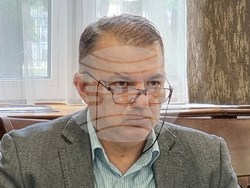
![Black Sea Hydrogen Sulfide Could Become Major Energy Source, Says CITUB President]() Confederation of Independent Trade Unions in Bulgaria President Plamen Dimitrov at a conference on the EU’s Black Sea strategy in Varna, May 12, 2026 (BTA Photo/Valentina Dobrincheva)
Confederation of Independent Trade Unions in Bulgaria President Plamen Dimitrov at a conference on the EU’s Black Sea strategy in Varna, May 12, 2026 (BTA Photo/Valentina Dobrincheva)
![Варна - Европейски икономически и социален комитет - форум „От Констанца до Варна“]()
![Варна - Европейски икономически и социален комитет - форум „От Констанца до Варна“]()
![Варна - Европейски икономически и социален комитет - форум „От Констанца до Варна“]()
![Варна - Европейски икономически и социален комитет - форум „От Констанца до Варна“]()
![Варна - Европейски икономически и социален комитет - форум „От Констанца до Варна“]()
![Варна - Европейски икономически и социален комитет - форум „От Констанца до Варна“]()
![Варна - Европейски икономически и социален комитет - форум „От Констанца до Варна“]()
![Варна - Европейски икономически и социален комитет - форум „От Констанца до Варна“]()
![Варна - Европейски икономически и социален комитет - форум „От Констанца до Варна“]()
site.btaBlack Sea Hydrogen Sulfide Could Become Major Energy Source, Says CITUB President
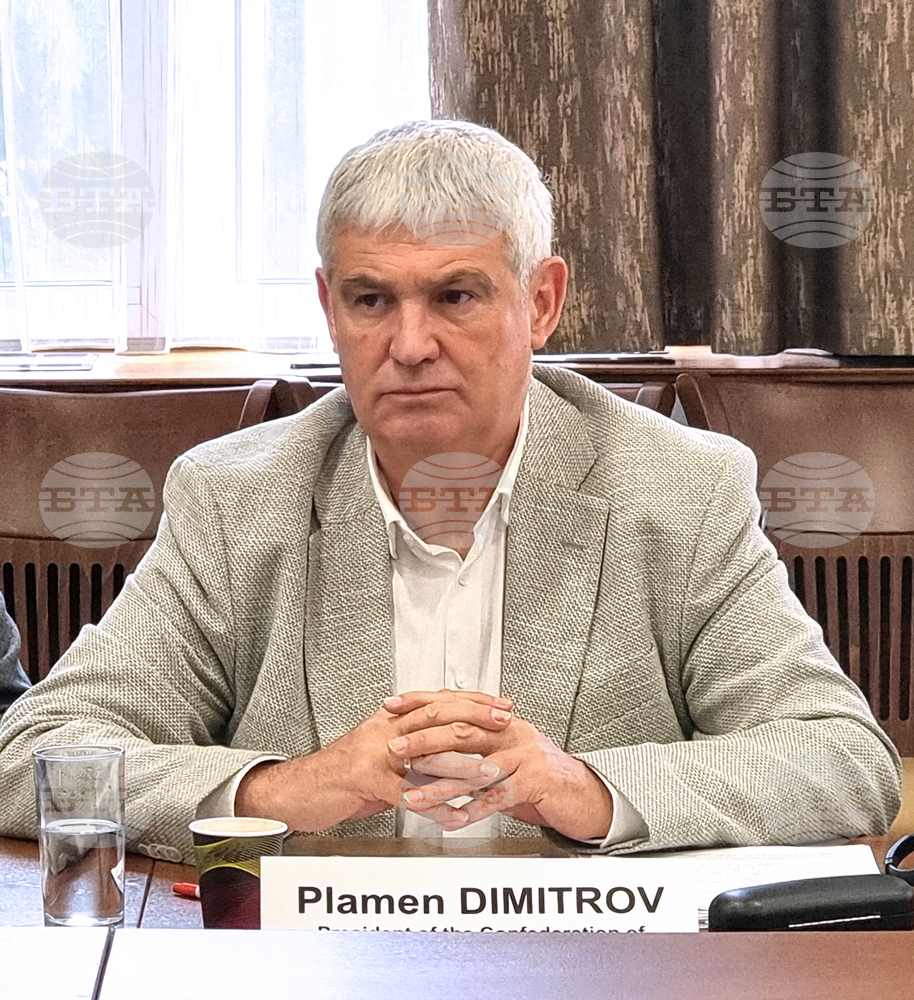
Hydrogen sulfide in the Black Sea should be viewed not only as a threat, but also as a potential energy resource, Confederation of Independent Trade Unions in Bulgaria (CITUB) President Plamen Dimitrov said Tuesday at a conference in Varna on the EU’s Black Sea strategy.
Dimitrov emphasized that Bulgaria is well positioned to play a leading role in the region, including by hosting the planned maritime security hub at the Nikola Vaptsarov Naval Academy. However, without dedicated EU funding for the Black Sea region, the strategy could remain largely symbolic, he stressed, and called for targeted financial support and greater EU recognition of the economic impact of the war in Ukraine, particularly rising energy and transport costs. "Bulgaria’s electricity exports to Ukraine are placing additional strain on the regional energy system and contributing to higher prices", Dimitrov noted.
The CITUB President further urged Bulgaria and Romania to jointly seek EU recognition of the Black Sea as a military-risk zone, arguing that such a designation could unlock additional regional funding. He also pointed to the importance of connectivity, energy security, and fairer EU agricultural policies, saying Bulgarian farmers continue to face disadvantages compared with their Western European counterparts.
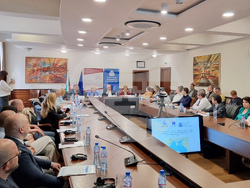
The conference "From Constanta to Varna: Promoting and paving the way for the practical implementation of the opinion of the European Economic and Social Committee and the resolution of the Bulgarian Economic and Social Council on the European Union's strategic approach to the Black Sea Region" is organized by the European Economic and Social Committee and Bulgaria’s Economic and Social Council. The first such conference was held in Constanta, Romania.
/IV/
Additional


news.modal.image.header
news.modal.image.text
news.modal.download.header
news.modal.download.text
news.modal.header
news.modal.text