site.btaSofia Rector Prof. Valchev: It Is Time to Look at History as Living Page
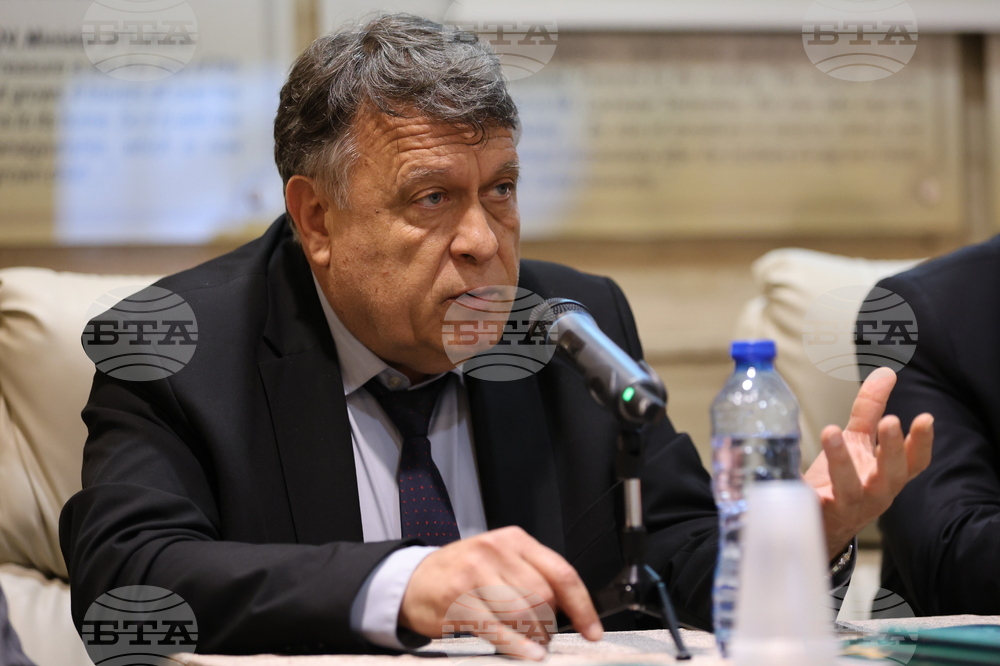
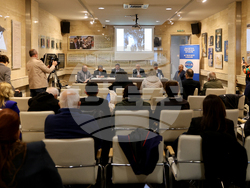
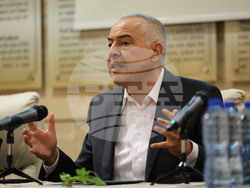
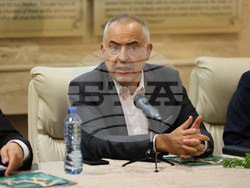
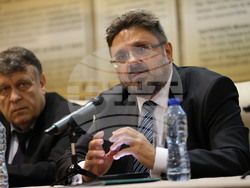
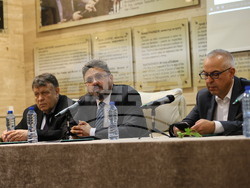
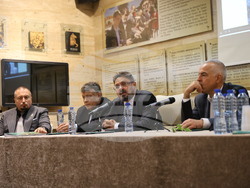
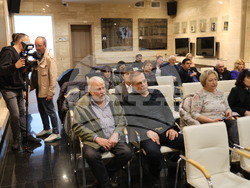
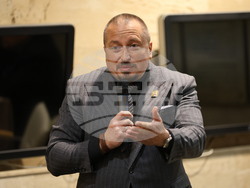
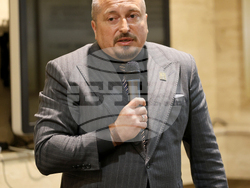
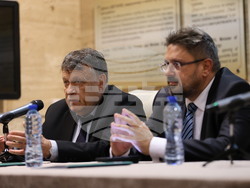
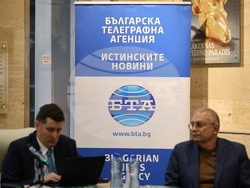
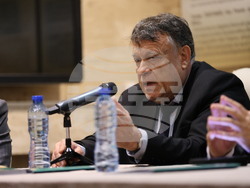
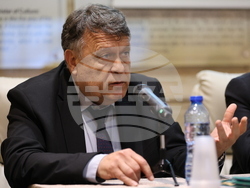
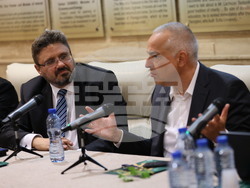
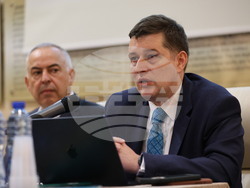
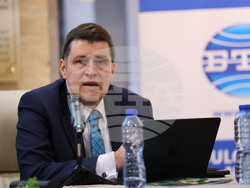
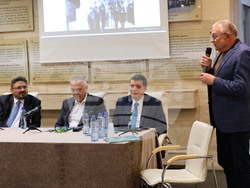
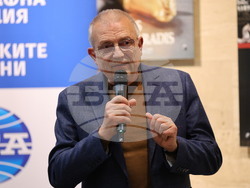
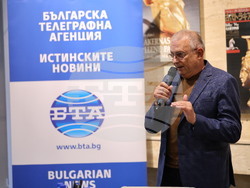
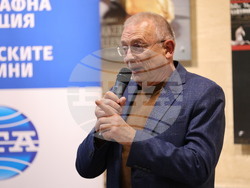
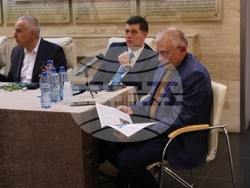
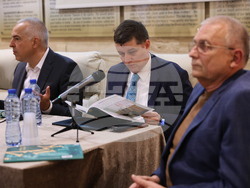
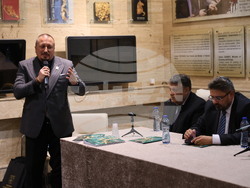
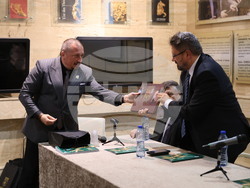
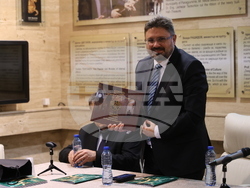
“It is time to look at history as a living page. It is time to shed the false patriotism, the grandiose words, the slogans that are usually raised during traditional commemorations. Bulgaria is going through a very complex period, very similar to the one Bulgarians experienced in 1876,” said Sofia University Rector Prof. Georgi Valchev on Thursday during a BTA-hosted conference, titled “150 Years since the April Uprising of 1876” in Panagyurishte.
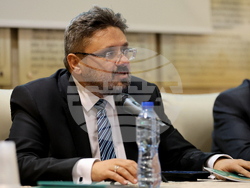
He also noted that it was the first time he had taken part in such meaningful discussions, which, he said, were made possible thanks to the initiative of BTA Director General Kiril Valchev.
“First, it should be noted that 1876 was the result of numerous attempts by Bulgarians to find a solution to their political liberation. The entire nineteenth century is filled with such attempts, including efforts to use international conflicts in the Balkans and in Europe to resolve the Bulgarian question. After so many unsuccessful attempts, Bulgarians realized that if you want to live well and with dignity, you must take responsibility yourself. The year 1876 shows that Bulgarians wanted to take their own destiny into their own hands. This is one of the most important lessons from the past.
Today we live in an extremely complex time, major conflicts are raging around the world, and young people do not feel like a community. Young people need to hear history so that they know that heroes are not unattainable,” added Valchev.
“The second major lesson from 1876 is that it happened because there were people who believed in the future of this country. Such commemorations should mark the beginning of our continuous responsibility for preserving memory. We must tell the stories of the events, and revive the family histories from those times.
The third major lesson on this topic is to believe in young people. It was precisely the younger generation at that time that took on this heavy responsibility. It is one thing to accept self-sacrifice as an idea yourself, and another to take responsibility for sending many others to their deaths. In those memorable days we were a society. It is our duty and our work to organize our state,” Prof. Valchev concluded.
/RY/
Additional

news.modal.image.header
news.modal.image.text
news.modal.download.header
news.modal.download.text
news.modal.header
news.modal.text