site.btaJustice Ministry Drafts New Legislation to Set Up Counter-Corruption Commission
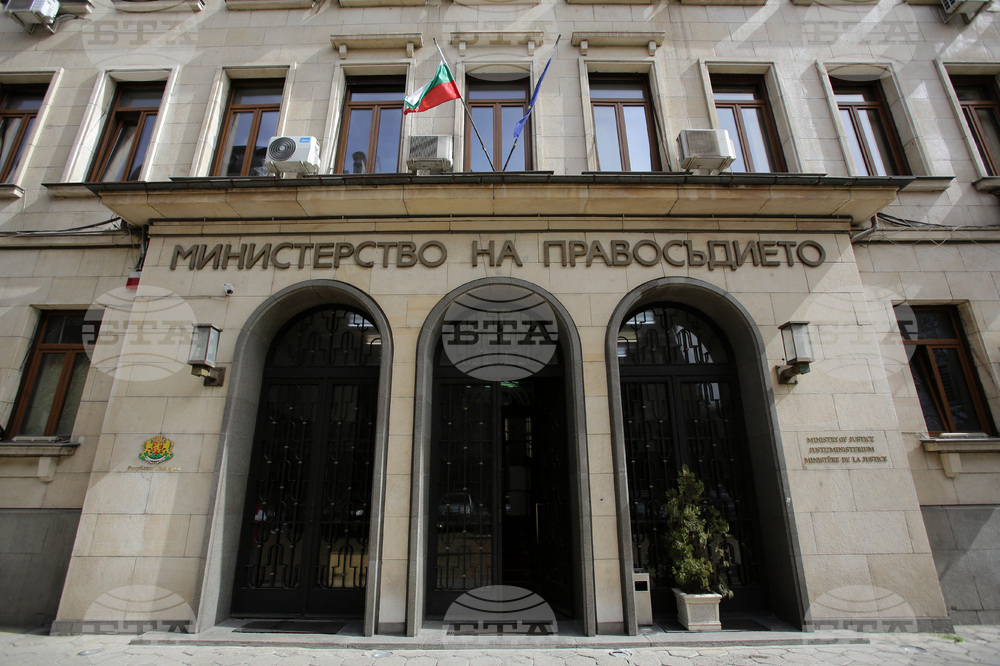
The Justice Ministry has submitted for public consultation a new anti-corruption bill. The aim is to establish a new, effective anti-corruption body whose independence is legally guaranteed to protect the public interest, the ministry’s press office reported.
The draft provides for the creation of a five-member commission for countering corruption. One member will be elected by the National Assembly, one appointed by the President, one elected by the general assemblies of the Supreme Court of Cassation and the Supreme Administrative Court, and one elected by the Supreme Bar Council. The commission’s mandate will be five years with no right to re-election, and its chairperson will rotate annually by lottery. Every six months, the commission will report to the National Assembly and submit an annual report on its activities.
The law defines 52 categories of public officials who fall within its scope. These include the President and Vice President, members of the National Assembly, members of the Council of Ministers, constitutional judges, senior officials in the judiciary, members of the European Parliament, Bulgarian European Commissioners, and others.
The commission’s work will operate in two directions. The first is prevention of corruption through the collection and analysis of information, and the development and proposal of anti-corruption measures. The second is the detection and investigation of corruption-related offences, including embezzlement, deliberate mismanagement, entering into disadvantageous contracts, certain official misconduct crimes, bribery, trading in influence, money laundering, and others. The commission’s bodies will have operational, investigative, and prosecutorial powers, which is an explicit requirement of the National Recovery and Resilience Plan.
he Ministry said that the new law is also in implementation of the National Recovery and Resilience Plan and the recommendations of the European Commission, and that the draft has been consulted with the institution. To date, due to unsatisfactory implementation of anti-corruption reforms, the European Commission has suspended payments totaling EUR 258,228,948.
On January 28, the National Assembly finally adopted at second reading an amendment to the National Audit Office Bill, which abolished the previously existing Commission for Countering Corruption and transferred its functions to the General Directorate for Combating Organized Crime and the National Audit Office.
/AM/
news.modal.header
news.modal.text