site.btaRaising Cash Payment Ceiling Will Ease Administrative Burden on Businesses, Says Fiscal Council
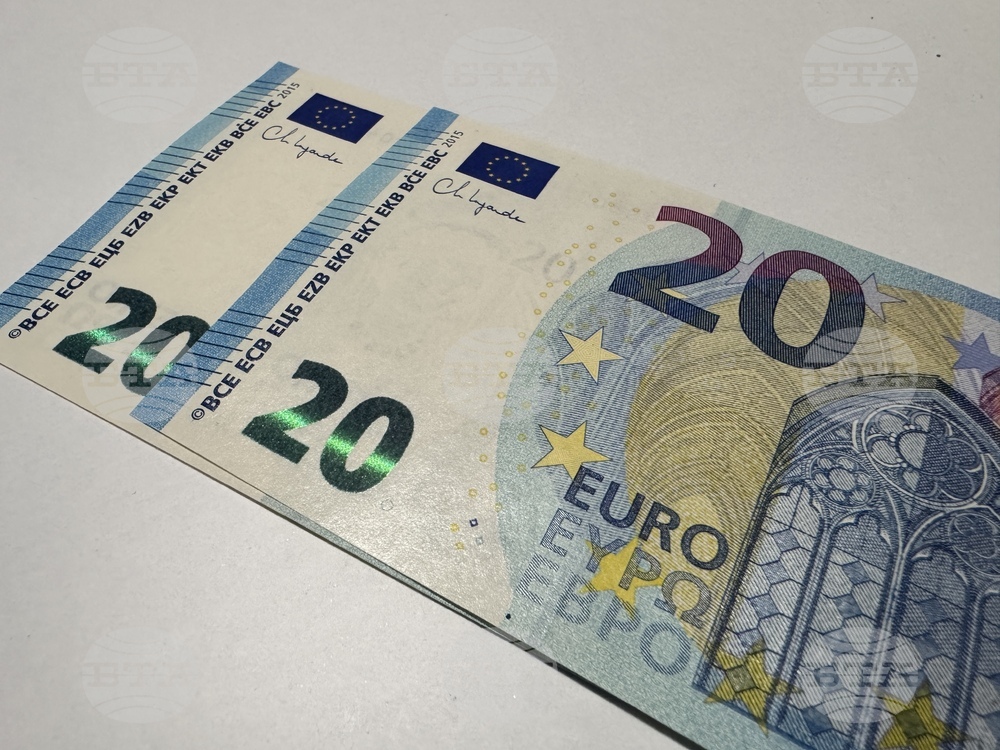
Raising Bulgaria’s national ceiling on cash payments from EUR 5,000 to EUR 10,000 will reduce the administrative burden on businesses and prevent Bulgarian enterprises from being placed at a competitive disadvantage compared with companies in other European Union countries. The observation is contained in an analysis by the country’s Fiscal Council, which examines the forthcoming application of Regulation (EU) 2024/1624 on the fight against money laundering, which will introduce a harmonized maximum limit of EUR 10,000 for cash payments for business transactions across the EU from 2027.
Bulgaria is among the EU member states that maintain a relatively low threshold for cash payments for business purposes, which, according to the Fiscal Council, creates practical difficulties for companies, entrepreneurs and consumers.
In view of the upcoming implementation of Regulation (EU) 2024/1624, the government may reconsider its current approach and align national rules with the new standard, the analysis notes.
While member states may retain stricter limits than those specified in the regulation, the harmonized ceiling ensures that businesses across the EU operate under predictable conditions, reducing administrative complexity, facilitating cross‑border trade, and enhancing financial efficiency.
According to the Fiscal Council, maintaining a lower threshold than the EU maximum could place Bulgarian enterprises at a competitive disadvantage compared with their counterparts in other member states.
The institution notes that, while the limit for business transactions is set in the EU regulation, payments between individuals are not restricted, recognizing that the use of cash in everyday life is legitimate and often necessary.
This shows that the EU framework is flexible enough to protect against illegal financial activity without unnecessarily restricting legitimate business operations. By increasing the threshold to EUR 10,000, Bulgaria can harmonize with European standards while retaining mechanisms to monitor and prevent suspicious transactions, the analysis states.
The Fiscal Council also highlights that raising the national threshold will reduce unnecessary administrative burdens.
Currently, businesses complying with the lower limit often have to split payments or use multiple financial instruments to adhere to the law, leading to additional costs and delays. A limit of EUR 10,000 will simplify transactions, reduce operational expenses, and support a more dynamic business environment, which is particularly important for start‑ups seeking to expand their operations across the EU market, the analysis notes.
According to data compiled by the Fiscal Council, EU countries where no cash payment limit applies are Austria, Cyprus, Denmark, Estonia, Finland, Germany, Hungary, Ireland, Luxembourg, Malta, the Netherlands, and Sweden.
Countries with lower limits than Bulgaria are: Belgium (EUR 3,000), France (EUR 1,000 for residents, EUR 15,000 for non‑residents), Greece (EUR 500), Poland (EUR 3,267), Portugal (EUR 3,000), and Romania (EUR 1,000 per day).
Countries with an equal or higher limit than Bulgaria are: Croatia (EUR 10,000), Czechia (EUR 10,500), Italy (EUR 5,000), Latvia (EUR 7,200), Lithuania (EUR 5,000), Slovakia (EUR 5,000), Slovenia (EUR 5,000), and Spain (EUR 10,000).
/RY/
news.modal.header
news.modal.text