Giro d’Italia in Bulgaria, Stage 1: the Route Comes to Life in Images Captured on Camera by BTA
Giro d’Italia in Bulgaria, Stage 1: the Route Comes to Life in Images Captured on Camera by BTA
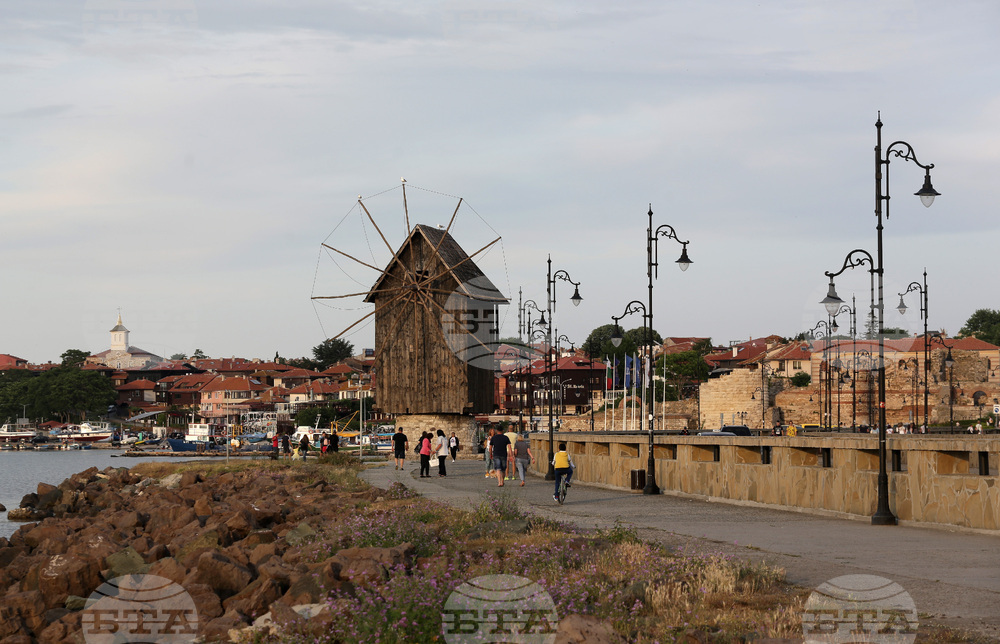
The Ancient City of Nessebar is a UNESCO World Heritage Site. The town is more than three thousand years’ old, having originated as a Thracian settlement and later developed as the Greek colony of Messambria. In Antiquity and the Middle Ages, it was a trade, cultural and religious centre with churches and fortifications. A view of the Old Town, Nessebar, June 11, 2021 (BTA Photo/Vladimir Shokov)
news.anonymous.signup
news.anonymous.login
Giro d’Italia in Bulgaria, Stage 1: the Route Comes to Life in Images Captured on Camera by BTA
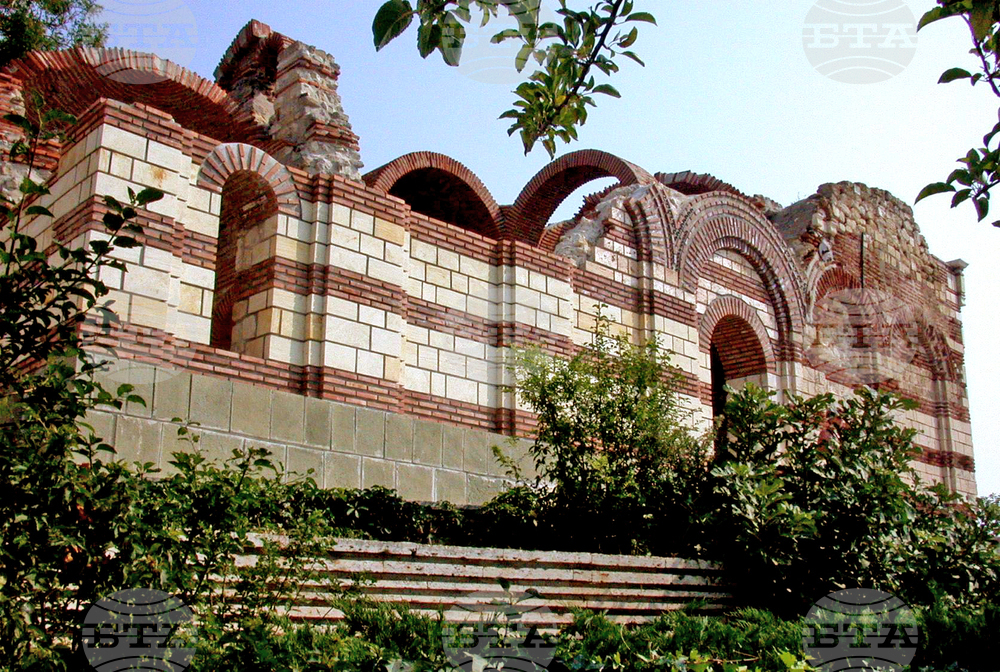
The Ancient City of Nessebar is a UNESCO World Heritage Site. The town is more than three thousand years’ old, having originated as a Thracian settlement and later developed as the Greek colony of Messambria. In Antiquity and the Middle Ages, it was a trade, cultural and religious centre with churches and fortifications. The Amphitheater in the Old Town, September 11. 2002 (BTA Photo/Todor Stavrev)
news.anonymous.signup
news.anonymous.login
Giro d’Italia in Bulgaria, Stage 1: the Route Comes to Life in Images Captured on Camera by BTA
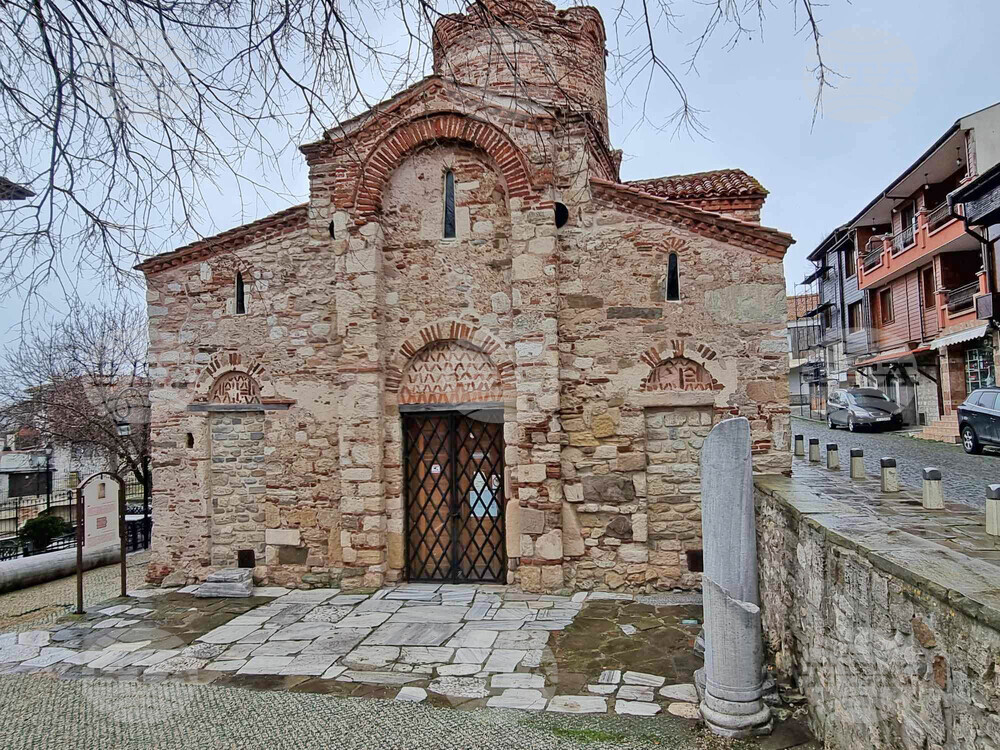
The Ancient City of Nessebar is a UNESCO World Heritage Site. The town is more than three thousand years’ old, having originated as a Thracian settlement and later developed as the Greek colony of Messambria. In Antiquity and the Middle Ages, it was a trade, cultural and religious centre with churches and fortifications. Church of St. John the Baptist, January 20, 2024 (BTA Phtoto/ Galya Teneva)
news.anonymous.signup
news.anonymous.login


Giro d’Italia in Bulgaria, Stage 1: the Route Comes to Life in Images Captured on Camera by BTA
The Ancient City of Nessebar is a UNESCO World Heritage Site. The town is more than three thousand years’ old, having originated as a Thracian settlement and later developed as the Greek colony of Messambria. In Antiquity and the Middle Ages, it was a trade, cultural and religious centre with churches and fortifications. A view of the Old Town, Nessebar, January 20, 2024 (BTA Phtoto/ Galya Teneva)
news.anonymous.signup
news.anonymous.login


Giro d’Italia in Bulgaria, Stage 1: the Route Comes to Life in Images Captured on Camera by BTA
The Ancient City of Nessebar is a UNESCO World Heritage Site. The town is more than three thousand years’ old, having originated as a Thracian settlement and later developed as the Greek colony of Messambria. In Antiquity and the Middle Ages, it was a trade, cultural and religious centre with churches and fortifications. Church of the Assumption of the Virgin Mary, January 20, 2024 (BTA Phtoto/ Galya Teneva)
news.anonymous.signup
news.anonymous.login


Giro d’Italia in Bulgaria, Stage 1: the Route Comes to Life in Images Captured on Camera by BTA
The Ancient City of Nessebar is a UNESCO World Heritage Site. The town is more than three thousand years’ old, having originated as a Thracian settlement and later developed as the Greek colony of Messambria. In Antiquity and the Middle Ages, it was a trade, cultural and religious centre with churches and fortifications. Church of St. Paraskeva, January 20, 2024 (BTA Phtoto/ Galya Teneva)
news.anonymous.signup
news.anonymous.login
Giro d’Italia in Bulgaria, Stage 1: the Route Comes to Life in Images Captured on Camera by BTA
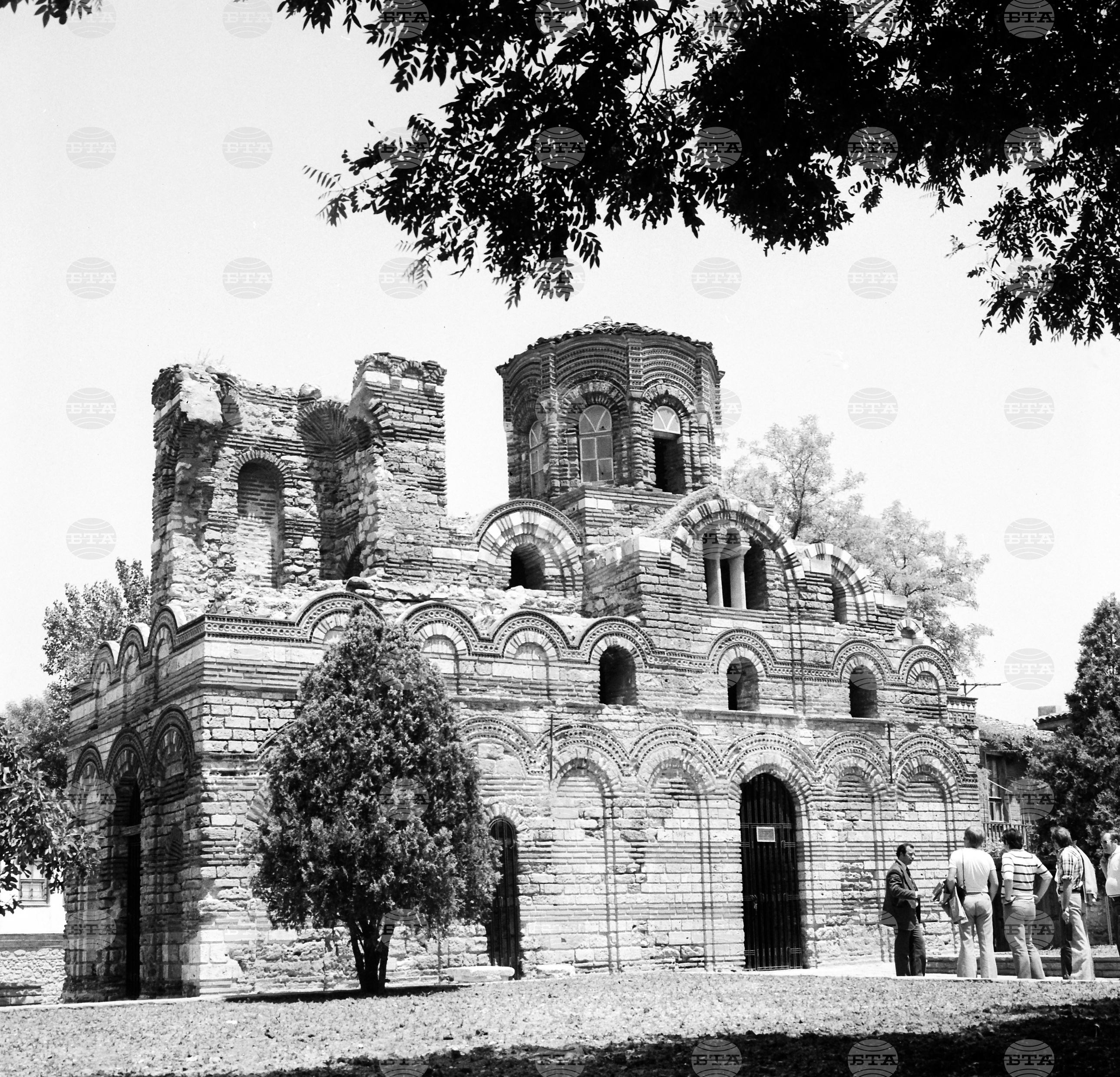
The Ancient City of Nessebar is a UNESCO World Heritage Site. The town is more than three thousand years’ old, having originated as a Thracian settlement and later developed as the Greek colony of Messambria. In Antiquity and the Middle Ages, it was a trade, cultural and religious centre with churches and fortifications. The Church Christ Pantocrator, June 20, 1976 (BTA Photo/Dimitar Deynov)
news.anonymous.signup
news.anonymous.login
Giro d’Italia in Bulgaria, Stage 1: the Route Comes to Life in Images Captured on Camera by BTA
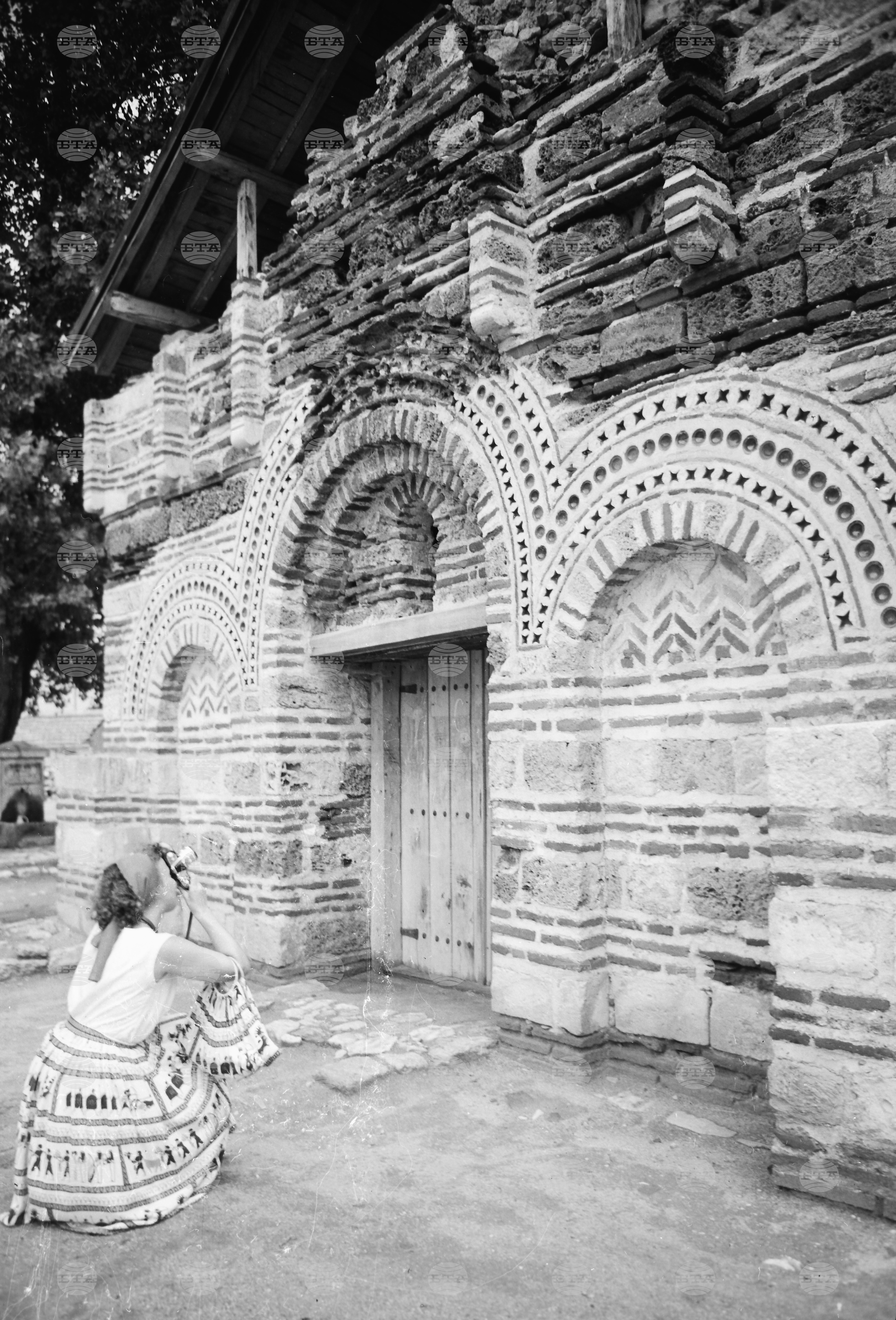
The Ancient City of Nessebar is a UNESCO World Heritage Site. The town is more than three thousand years’ old, having originated as a Thracian settlement and later developed as the Greek colony of Messambria. In Antiquity and the Middle Ages, it was a trade, cultural and religious centre with churches and fortifications. The Church of Saint Theodore, August 3, 1959 (BTA Photo/Simeon Nenov)
news.anonymous.signup
news.anonymous.login


Giro d’Italia in Bulgaria, Stage 1: the Route Comes to Life in Images Captured on Camera by BTA
The Ancient City of Nessebar is a UNESCO World Heritage Site. The town is more than three thousand years’ old, having originated as a Thracian settlement and later developed as the Greek colony of Messambria. In Antiquity and the Middle Ages, it was a trade, cultural and religious centre with churches and fortifications. Church of St. Helena, January 20, 2024 (BTA Phtoto/ Galya Teneva)
news.anonymous.signup
news.anonymous.login
Giro d’Italia in Bulgaria, Stage 1: the Route Comes to Life in Images Captured on Camera by BTA
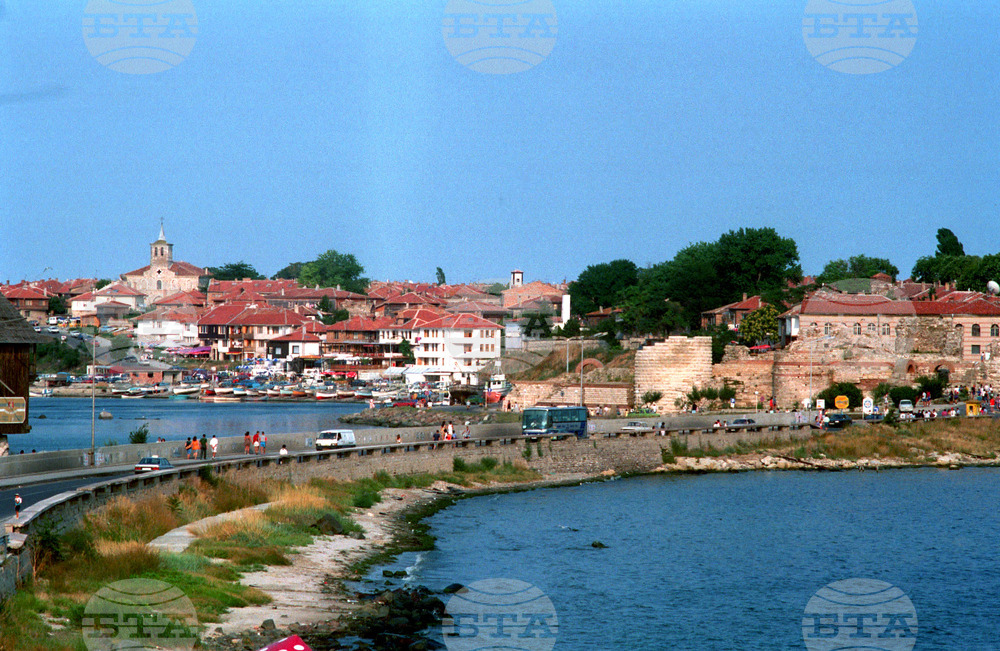
The Ancient City of Nessebar is a UNESCO World Heritage Site. The town is more than three thousand years’ old, having originated as a Thracian settlement and later developed as the Greek colony of Messambria. In Antiquity and the Middle Ages, it was a trade, cultural and religious centre with churches and fortifications. A panoramic view of the town, Nessebar, August 11, 1995 (BTA Photo/Georgi Genchev)
news.anonymous.signup
news.anonymous.login
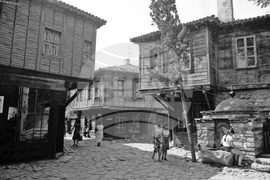
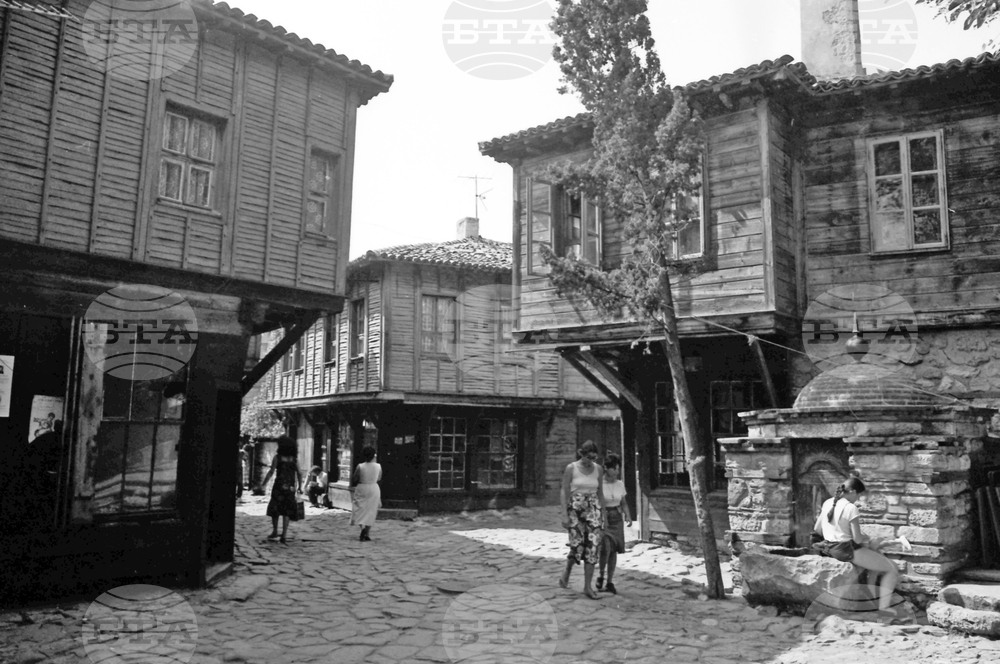
Giro d’Italia in Bulgaria, Stage 1: the Route Comes to Life in Images Captured on Camera by BTA
The Ancient City of Nessebar is a UNESCO World Heritage Site. The town is more than three thousand years’ old, having originated as a Thracian settlement and later developed as the Greek colony of Messambria. In Antiquity and the Middle Ages, it was a trade, cultural and religious centre with churches and fortifications. A view of the Old Town, Nessebar, September 22, 1986 (BTA Archive Photo/Dimitar Viktorov)
news.anonymous.signup
news.anonymous.login
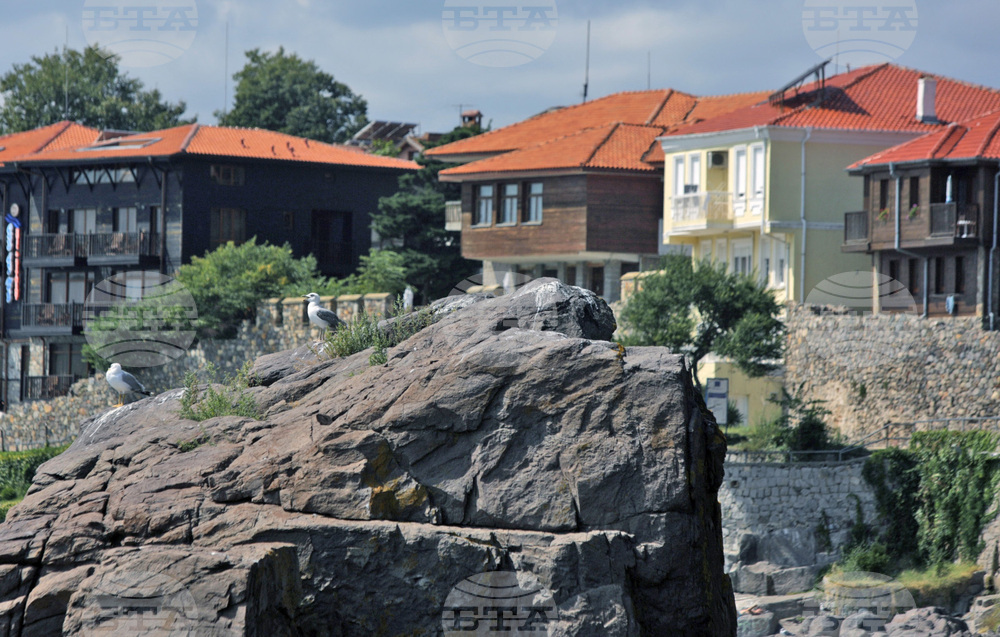
Giro d’Italia in Bulgaria, Stage 1: the Route Comes to Life in Images Captured on Camera by BTA
Sozopol’s history dates back to the 4th-3rd millennium BCE, when the first settlements in the area emerged. In the 7th century BCE, the Greek colony of Apollonia Pontica was founded there. In Antiquity, it was a trade and port centre. Architectural and archaeological sites of different periods have been preserved in the town. A view of the town, Sozopol, September 7, 2014 (BTA Archive Photo/Vladimir Shokov)
news.anonymous.signup
news.anonymous.login
Giro d’Italia in Bulgaria, Stage 1: the Route Comes to Life in Images Captured on Camera by BTA
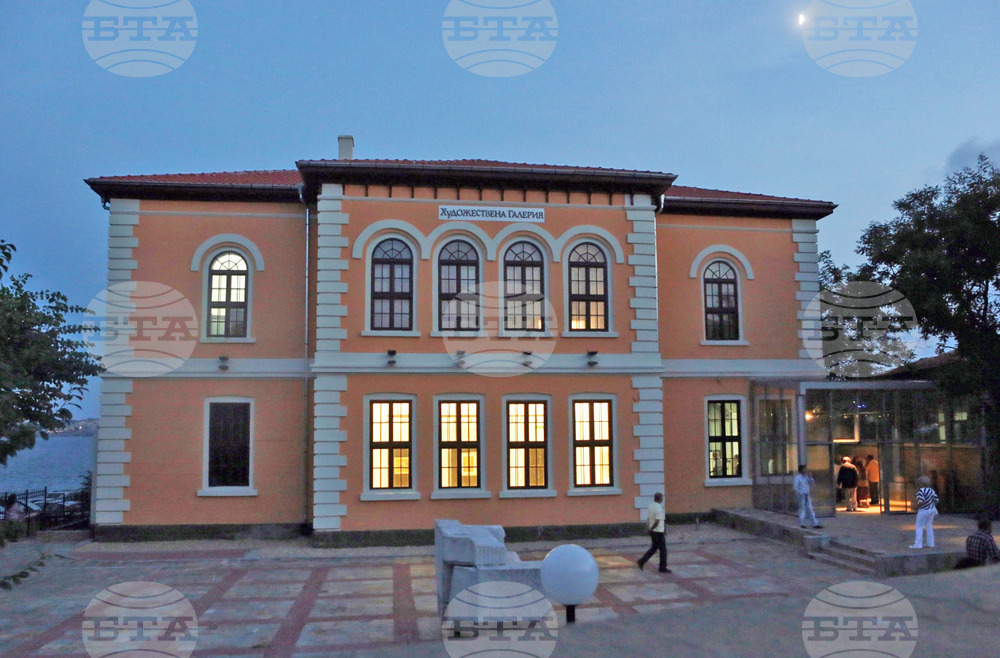
Sozopol’s history dates back to the 4th-3rd millennium BCE, when the first settlements in the area emerged. In the 7th century BCE, the Greek colony of Apollonia Pontica was founded there. In Antiquity, it was a trade and port centre. Architectural and archaeological sites of different periods have been preserved in the town. Sozopol Art Gallery, Sozopol, September 7, 2014 (BTA Archive Photo/Vladimir Shokov)
news.anonymous.signup
news.anonymous.login
Giro d’Italia in Bulgaria, Stage 1: the Route Comes to Life in Images Captured on Camera by BTA
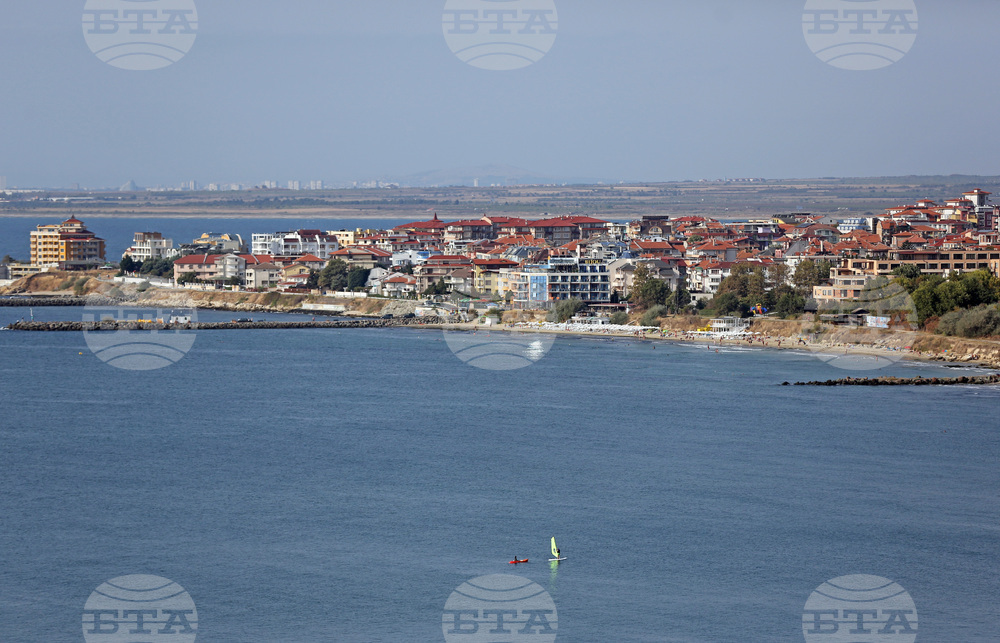
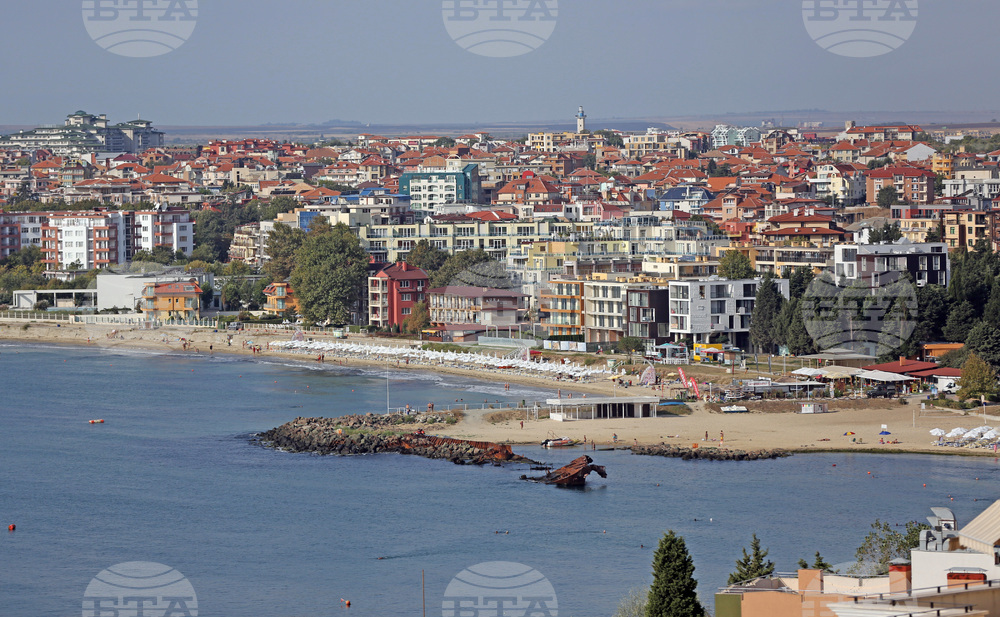
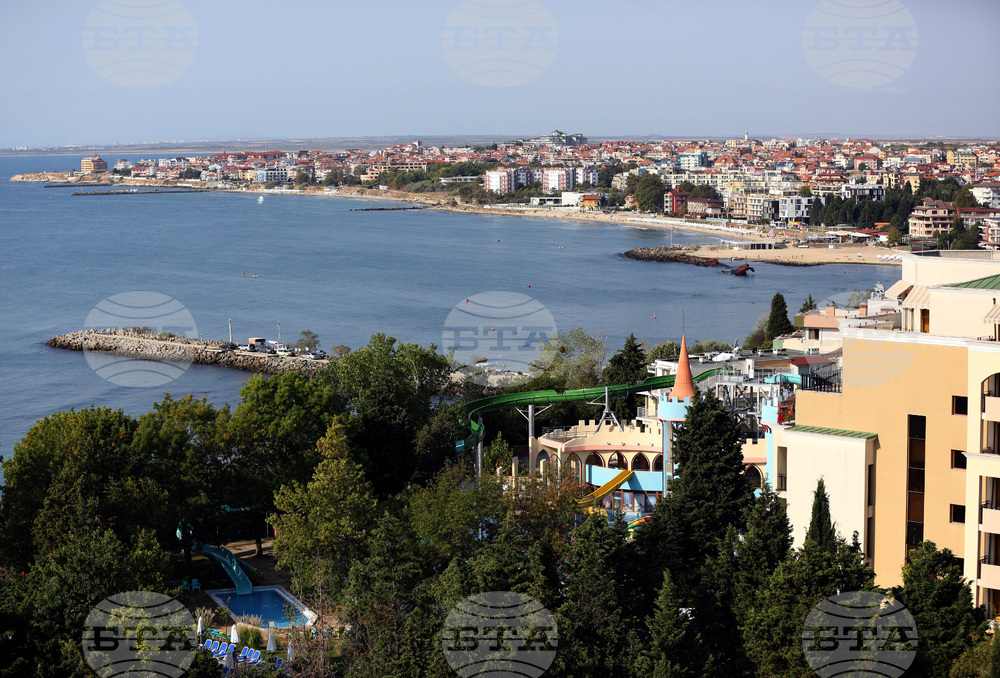
Ravda is a coastal settlement with traditions in fishing and agriculture, which developed into a resort in the second half of the 20th century. A view of the resort village, Ravda, September 9, 2016 (BTA Photo/Vladimir Shokov)
news.anonymous.signup
news.anonymous.login
Giro d’Italia in Bulgaria, Stage 1: the Route Comes to Life in Images Captured on Camera by BTA
Ravda is a coastal settlement with traditions in fishing and agriculture, which developed into a resort in the second half of the 20th century. A view of the resort village, Ravda, September 9, 2016 (BTA Photo/Vladimir Shokov)
news.anonymous.signup
news.anonymous.login
Giro d’Italia in Bulgaria, Stage 1: the Route Comes to Life in Images Captured on Camera by BTA
Ravda is a coastal settlement with traditions in fishing and agriculture, which developed into a resort in the second half of the 20th century. A view of the resort village, Ravda, September 9, 2016 (BTA Photo/Vladimir Shokov)
news.anonymous.signup
news.anonymous.login
Giro d’Italia in Bulgaria, Stage 1: the Route Comes to Life in Images Captured on Camera by BTA
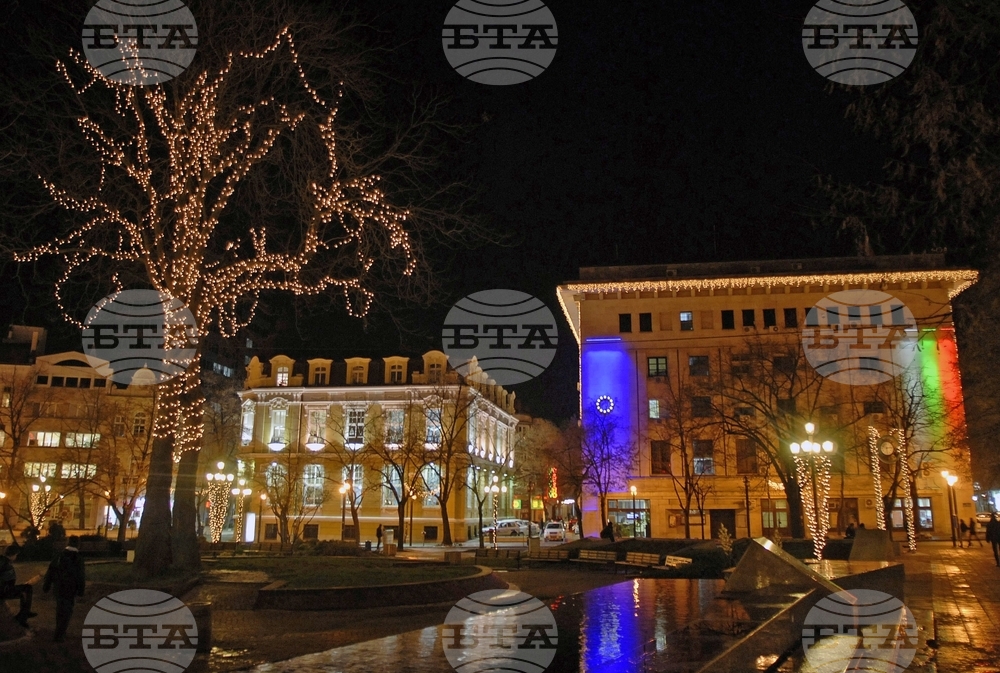
The city of Burgas emerged as a human settlement back in the Neolithic period (6th-5th millennium BCE). Thracian sanctuaries and the Roman baths of Aquae Calidae, built between the 1st and 4th c. CE, have been excavated in the area. The city's name derives from the Greek Pyrgos, meaning tower. In the 18th and 19th c., it was a centre of shipping and commerce. After Bulgaria's liberation from Ottoman rule in 1878, its infrastructure, education and cultural life flourished. Troikata Square, Burgas, December 30, 2009 (BTA Archive Photo/Todor Stavrev)
news.anonymous.signup
news.anonymous.login
Giro d’Italia in Bulgaria, Stage 1: the Route Comes to Life in Images Captured on Camera by BTA
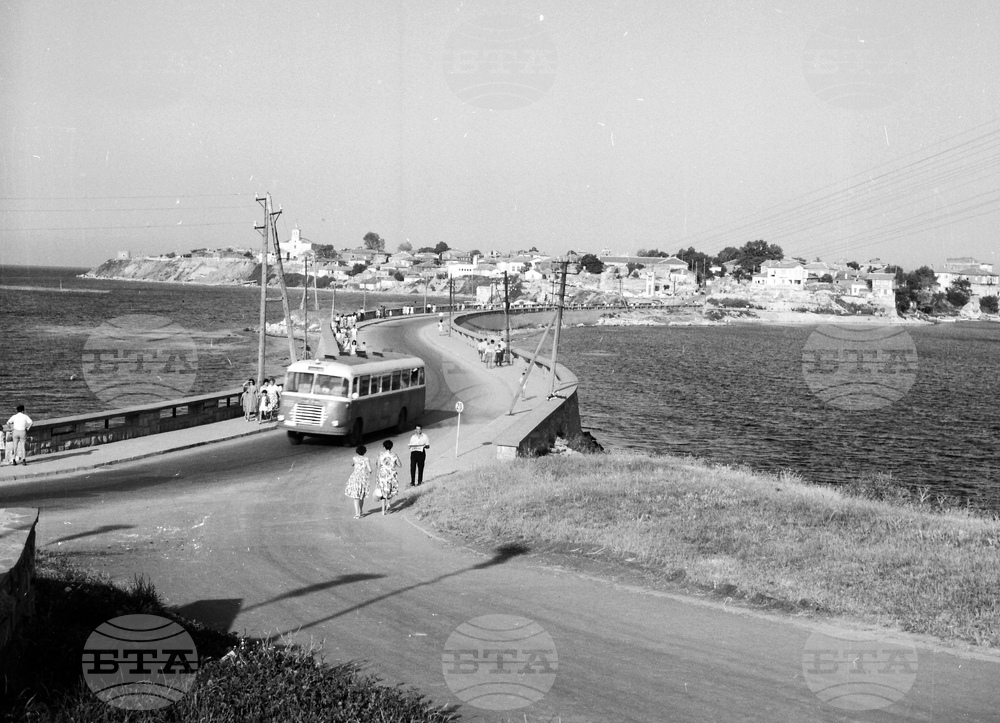
The Ancient City of Nessebar is a UNESCO World Heritage Site. The town is more than three thousand years’ old, having originated as a Thracian settlement and later developed as the Greek colony of Messambria. In Antiquity and the Middle Ages, it was a trade, cultural and religious centre with churches and fortifications. A panoramic view of the town, Nessebar, July 23, 1962 (BTA Archive Photo/Simeon Nenov)
news.anonymous.signup
news.anonymous.login
Giro d’Italia in Bulgaria, Stage 1: the Route Comes to Life in Images Captured on Camera by BTA
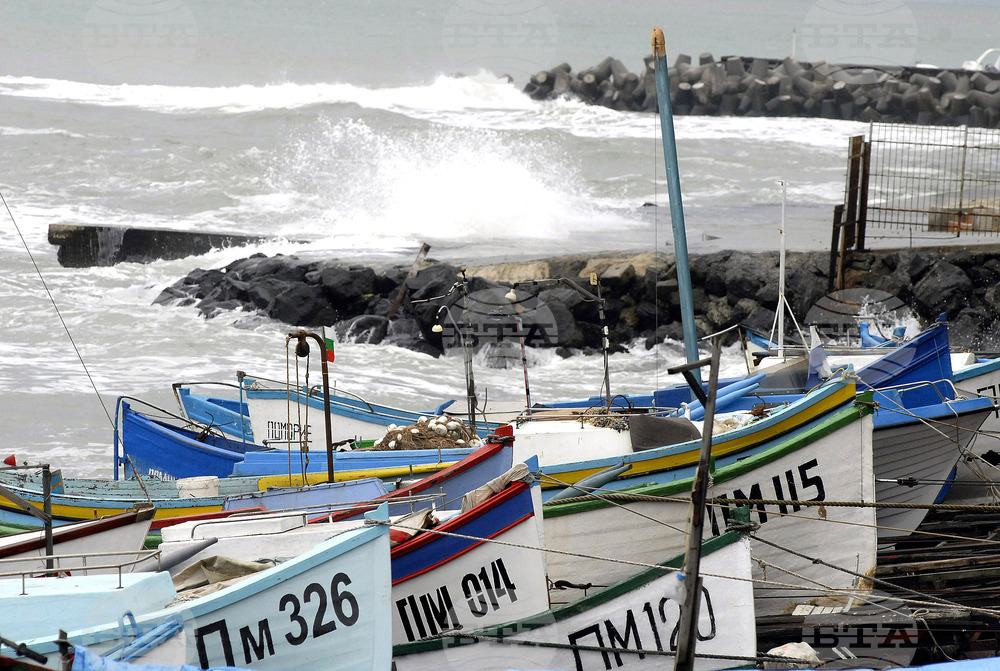
The town of Pomorie traces its origins to the ancient colony of Anhialo. Over the centuries, it established itself as an important centre of trade and salt production. Fishing boats pulled ashore because of strong northerly wind and rough sea, Pomorie, September 27, 2008 (BTA Photo/Todor Stavrev)
news.anonymous.signup
news.anonymous.login
Giro d’Italia in Bulgaria, Stage 1: the Route Comes to Life in Images Captured on Camera by BTA
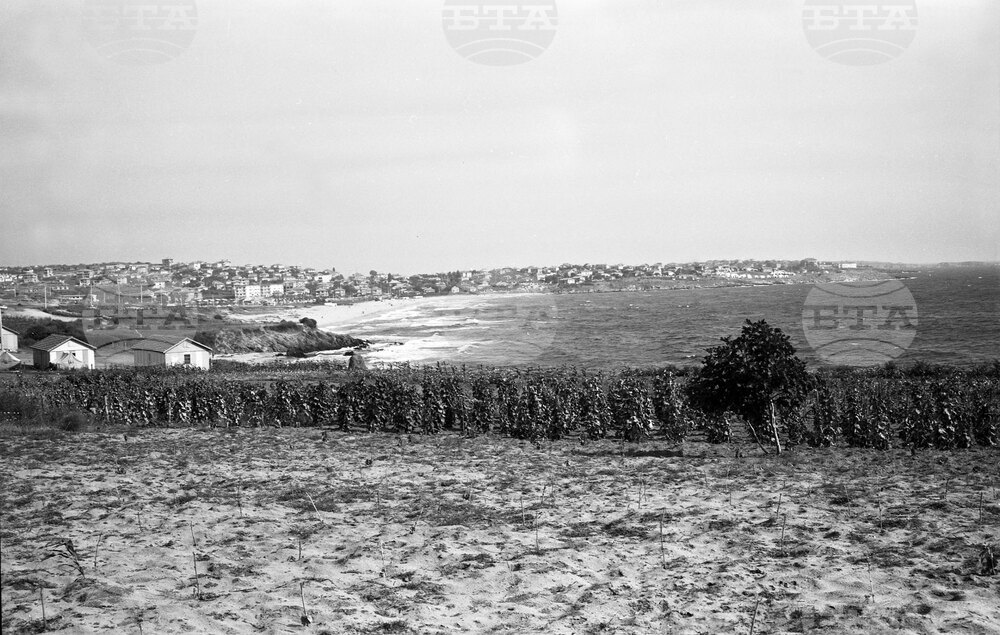
Sozopol’s history dates back to the 4th-3rd millennium BCE, when the first settlements in the area emerged. In the 7th century BCE, the Greek colony of Apollonia Pontica was founded there. In Antiquity, it was a trade and port centre. Architectural and archaeological sites of different periods have been preserved in the town. A view of the town from the sea, Sozopol, July 18, 1967 (BTA Archive Photo/Simeon Nenov)
news.anonymous.signup
news.anonymous.login
Giro d’Italia in Bulgaria, Stage 1: the Route Comes to Life in Images Captured on Camera by BTA
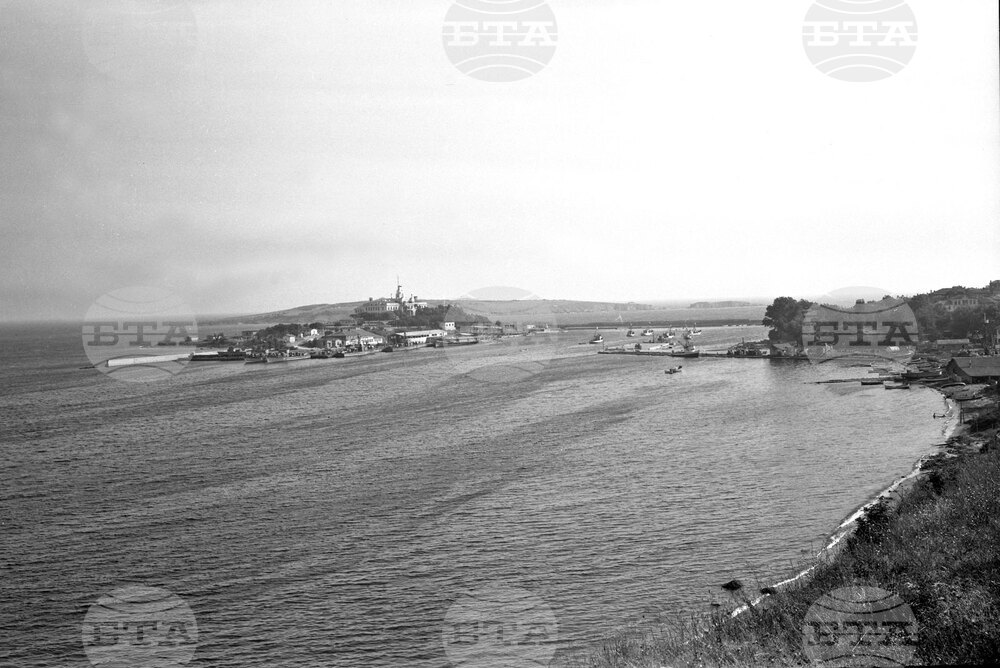
Sozopol’s history dates back to the 4th-3rd millennium BCE, when the first settlements in the area emerged. In the 7th century BCE, the Greek colony of Apollonia Pontica was founded there. In Antiquity, it was a trade and port centre. Architectural and archaeological sites of different periods have been preserved in the town. A view towards Sts Cyricus and Julitta Island, Sozopol, July 18, 1967 (BTA Archive Photo/Simeon Nenov)
news.anonymous.signup
news.anonymous.login
Giro d’Italia in Bulgaria, Stage 1: the Route Comes to Life in Images Captured on Camera by BTA
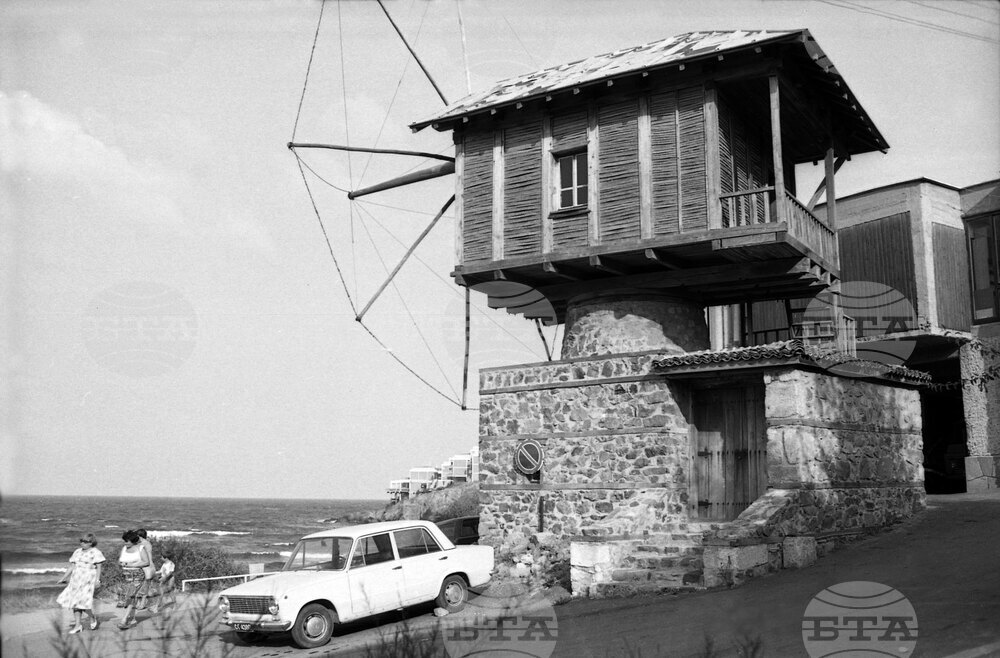
Sozopol’s history dates back to the 4th-3rd millennium BCE, when the first settlements in the area emerged. In the 7th century BCE, the Greek colony of Apollonia Pontica was founded there. In Antiquity, it was a trade and port centre. Architectural and archaeological sites of different periods have been preserved in the town. The Vodenitsata Restaurant in Sozopol’s Old Town, Sozopol, September 11, 1980 (BTA Archive Photo/Petar Zhekov)
news.anonymous.signup
news.anonymous.login
Giro d’Italia in Bulgaria, Stage 1: the Route Comes to Life in Images Captured on Camera by BTA
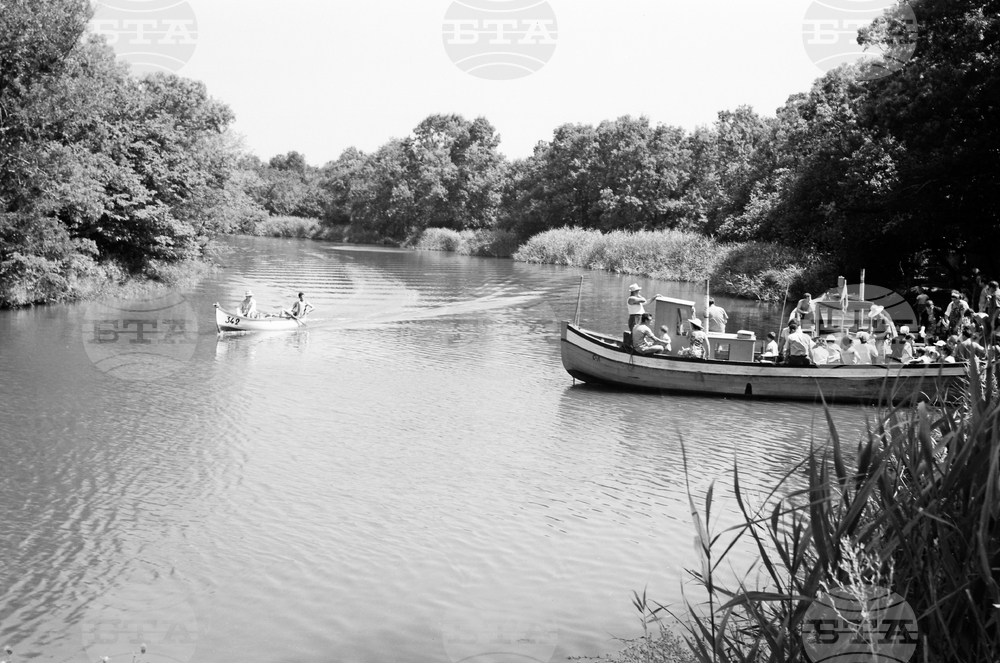
Ropotamo River, august 5, 1966 (BTA Photo/Vladimir Ivanov )
news.anonymous.signup
news.anonymous.login
Giro d’Italia in Bulgaria, Stage 1: the Route Comes to Life in Images Captured on Camera by BTA
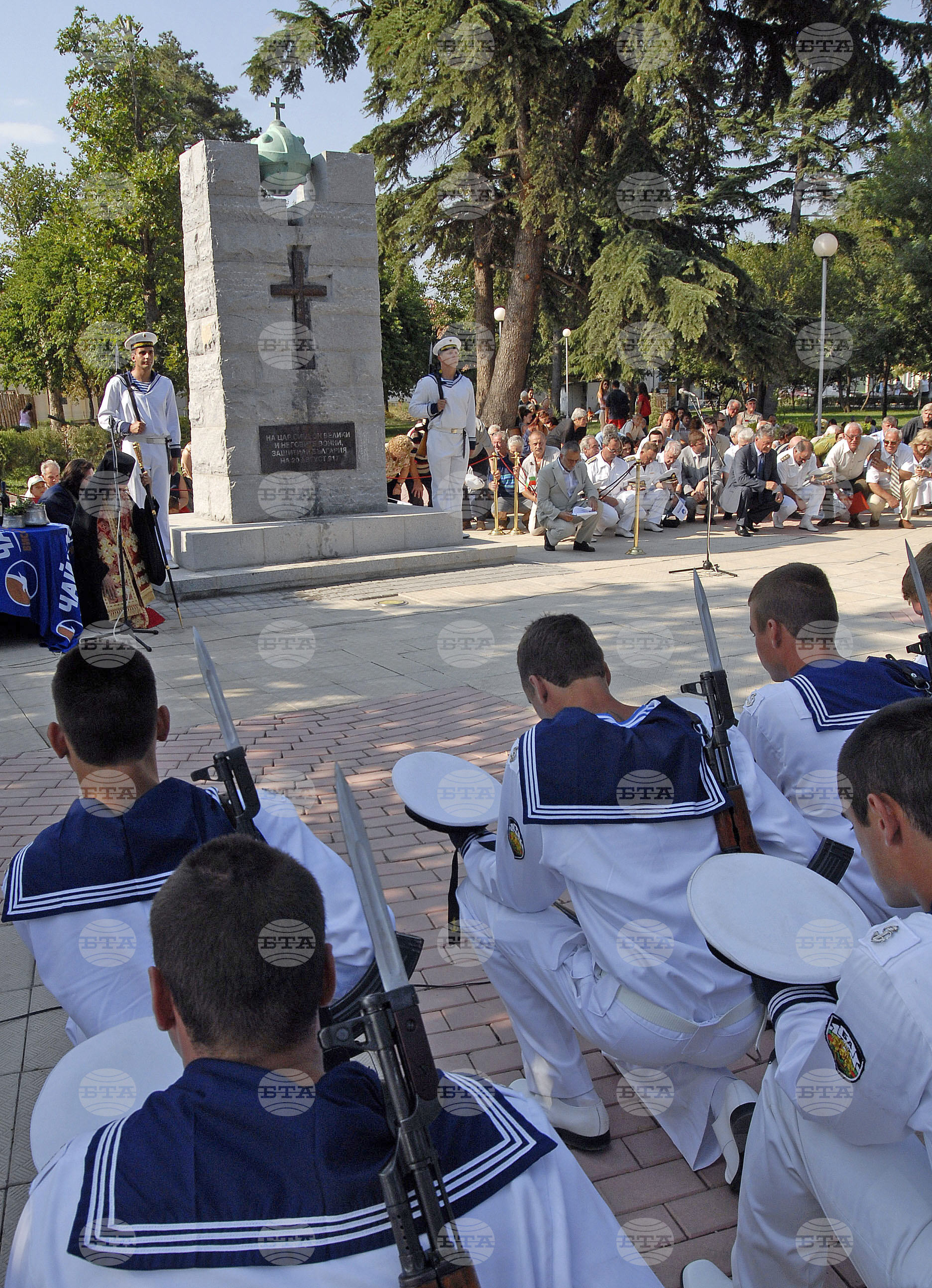
Aheloy is a coastal town. It is associated with the Battle of Achelous in 917. Aheloy was promoted to town status in 2009. It is situated at the mouth of the River Aheloy. Monument to the Battle of Achelous of 917, Aheloy, August 20, 2007 (BTA Photo/Todor Stavrev)
news.anonymous.signup
news.anonymous.login
Giro d’Italia in Bulgaria, Stage 1: the Route Comes to Life in Images Captured on Camera by BTA
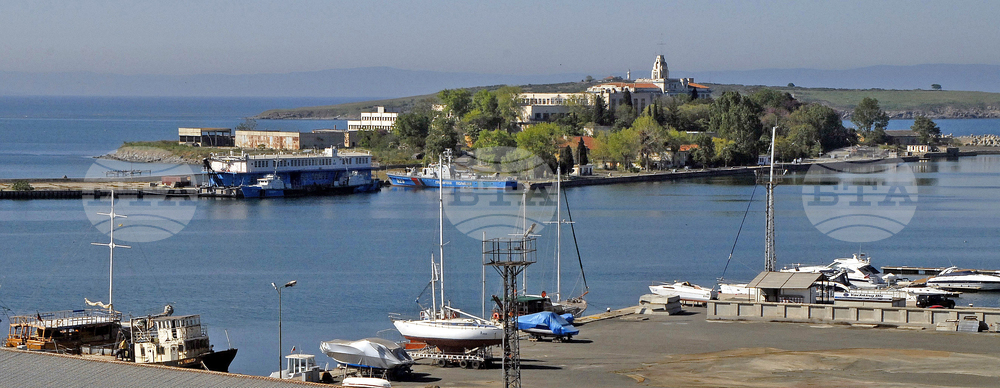
Sozopol’s history dates back to the 4th-3rd millennium BCE, when the first settlements in the area emerged. In the 7th century BCE, the Greek colony of Apollonia Pontica was founded there. In Antiquity, it was a trade and port centre. Architectural and archaeological sites of different periods have been preserved in the town. A view towards Sts Cyricus and Julitta Island, Sozopol, May 14, 2007 (BTA Archive Photo/Todor Stavrev)
news.anonymous.signup
news.anonymous.login
Giro d’Italia in Bulgaria, Stage 1: the Route Comes to Life in Images Captured on Camera by BTA
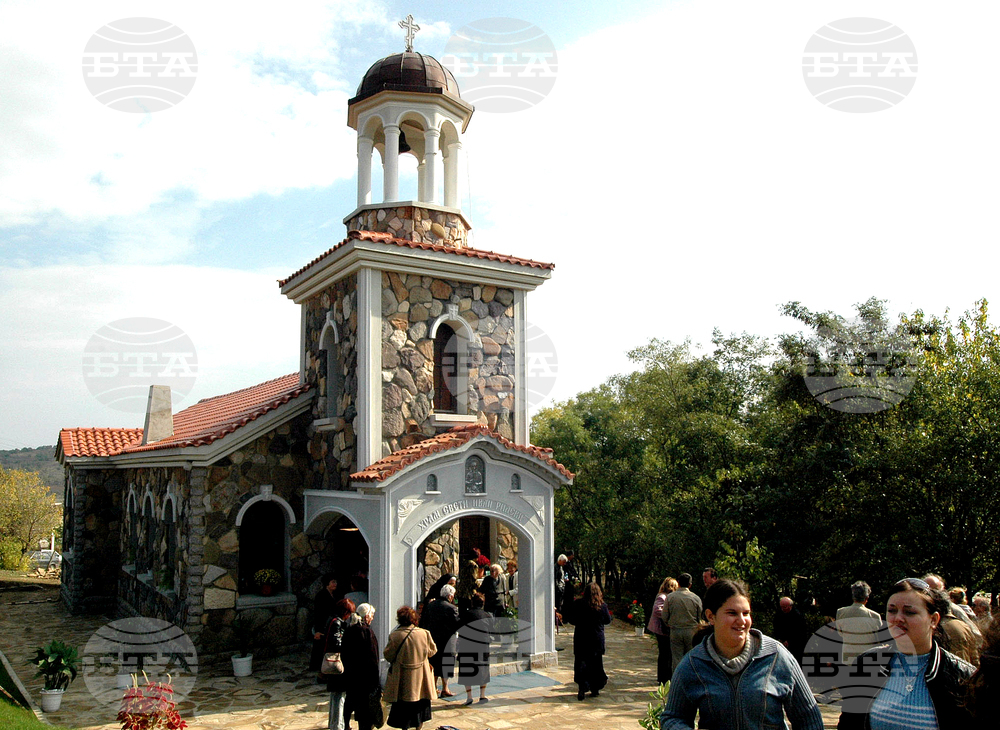
A small village near Sozopol, Ravadinovo is known for its natural setting and growing tourist attractions. Church of St John of Rila, Ravadinovo, January 26, 2026 (BTA Photo/Hristo Stefanov)
news.anonymous.signup
news.anonymous.login
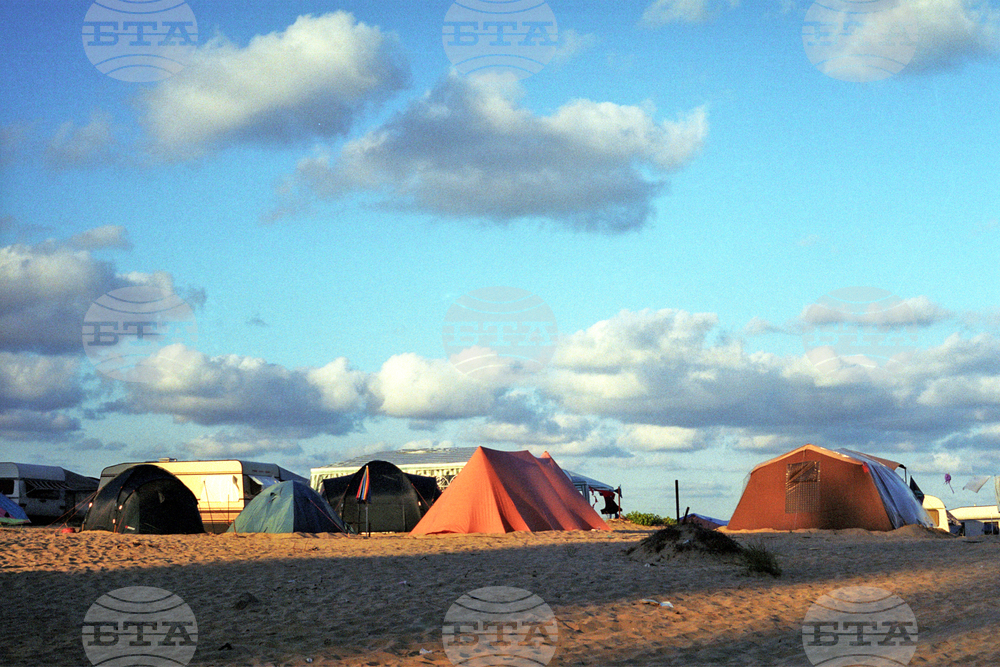
Giro d’Italia in Bulgaria, Stage 1: the Route Comes to Life in Images Captured on Camera by BTA
The Smokinya Beach is known for its wide shoreline, dunes, and camping opportunities. – A view of the Smokinya Campsite, Smokinya, August 1, 2003 (BTA Archive Photo/Bistra Boshnakova)
news.anonymous.signup
news.anonymous.login
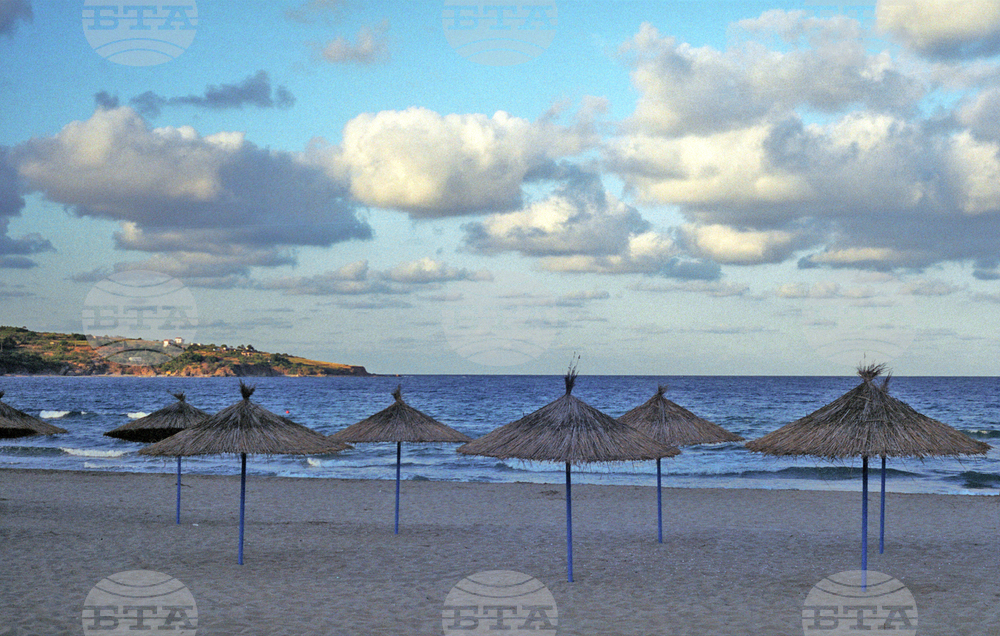
Giro d’Italia in Bulgaria, Stage 1: the Route Comes to Life in Images Captured on Camera by BTA
The Smokinya Beach is known for its wide shoreline, dunes, and camping opportunities. – A view of the Smokinya Campsite, Smokinya, August 1, 2003 (BTA Archive Photo/Bistra Boshnakova)
news.anonymous.signup
news.anonymous.login


Giro d’Italia in Bulgaria, Stage 1: the Route Comes to Life in Images Captured on Camera by BTA
Chernomorets is located on the Bay of Burgas, 25 km south of Burgas. Until 1951, it was called Sveti Nikola, after the bay. To the east of the town are Sozopol and the Sveti Ivan Island. A view of the town, Chernomorets, November 18, 2025 (BTA Photo/Hristo Stefanov)
news.anonymous.signup
news.anonymous.login


Giro d’Italia in Bulgaria, Stage 1: the Route Comes to Life in Images Captured on Camera by BTA
Sozopol’s history dates back to the 4th-3rd millennium BCE, when the first settlements in the area emerged. In the 7th century BCE, the Greek colony of Apollonia Pontica was founded there. In Antiquity, it was a trade and port centre. Architectural and archaeological sites of different periods have been preserved in the town. Open day on the Sts Cyricus and Julitta Island, Sozopol, September 22, 2010 (BTA Archive Photo/Todor Stavrev)
news.anonymous.signup
news.anonymous.login


Giro d’Italia in Bulgaria, Stage 1: the Route Comes to Life in Images Captured on Camera by BTA
The town of Pomorie traces its origins to the ancient colony of Anhialo. Over the centuries, it established itself as an important centre of trade and salt production. Port of Pomorie, Pomorie, July 11, 2025 (BTA Photo/Hristo Stefanov)
news.anonymous.signup
news.anonymous.login


Giro d’Italia in Bulgaria, Stage 1: the Route Comes to Life in Images Captured on Camera by BTA
The city of Burgas emerged as a human settlement back in the Neolithic period (6th-5th millennium BCE). Thracian sanctuaries and the Roman baths of Aquae Calidae, built between the 1st and 4th c. CE, have been excavated in the area. The city's name derives from the Greek Pyrgos, meaning tower. In the 18th and 19th c., it was a centre of shipping and commerce. After Bulgaria's liberation from Ottoman rule in 1878, its infrastructure, education and cultural life flourished. An aerial view of the city, Bay of Burgas, Lake Vaya and Lake Atanasovsko, August 19, 2024 (BTA Photo/Hristo Stefanov)
news.anonymous.signup
news.anonymous.login
Giro d’Italia in Bulgaria, Stage 1: the Route Comes to Life in Images Captured on Camera by BTA
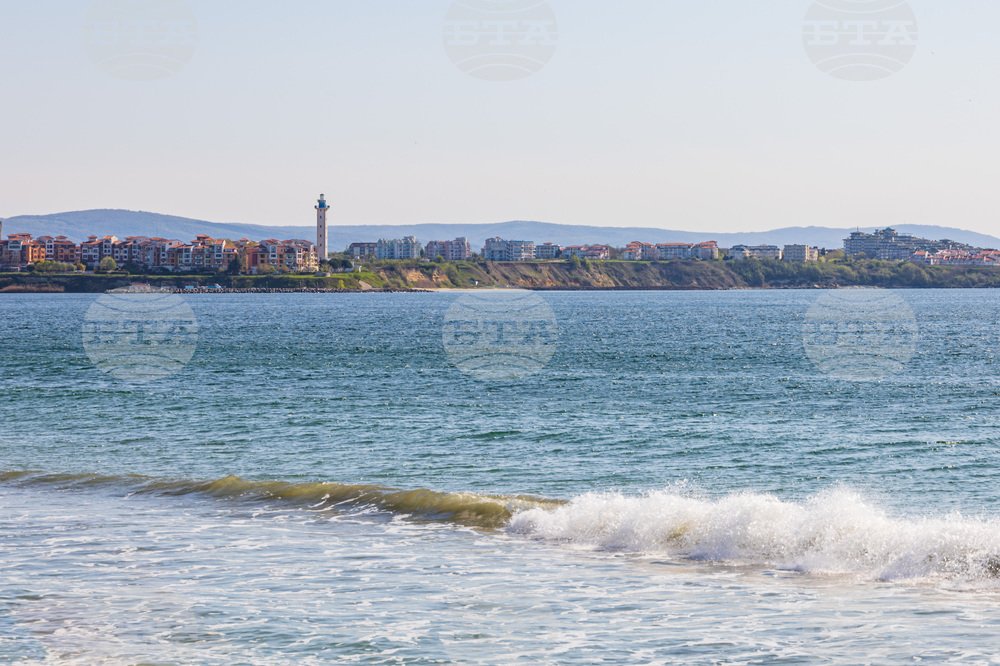
Aheloy is a coastal town. It is associated with the Battle of Achelous in 917. Aheloy was promoted to town status in 2009. It is situated at the mouth of the River Aheloy. View of the Bay, May 19, 2023 (BTA Photo/Hristo Stefanov)
news.anonymous.signup
news.anonymous.login
Giro d’Italia in Bulgaria, Stage 1: the Route Comes to Life in Images Captured on Camera by BTA
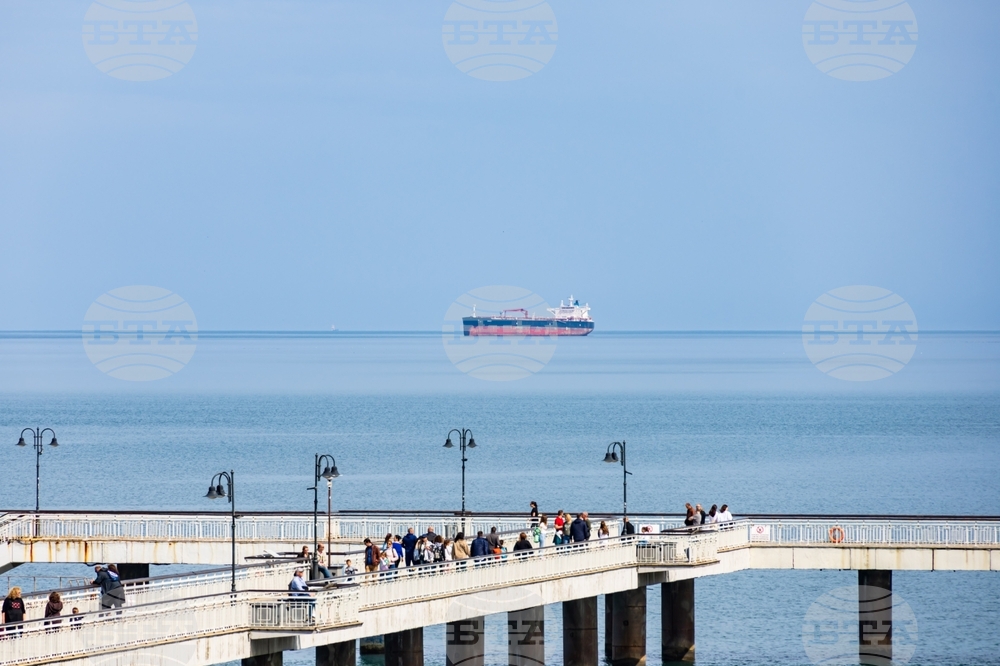
The city of Burgas emerged as a human settlement back in the Neolithic period (6th-5th millennium BCE). Thracian sanctuaries and the Roman baths of Aquae Calidae, built between the 1st and 4th c. CE, have been excavated in the area. The city's name derives from the Greek Pyrgos, meaning tower. In the 18th and 19th c., it was a centre of shipping and commerce. After Bulgaria's liberation from Ottoman rule in 1878, its infrastructure, education and cultural life flourished. A view of the Burgas Pier and ships in the Bay of Burgas, May 8, 2023 (BTA Photo/Hristo Stefanov)
news.anonymous.signup
news.anonymous.login
Giro d’Italia in Bulgaria, Stage 1: the Route Comes to Life in Images Captured on Camera by BTA
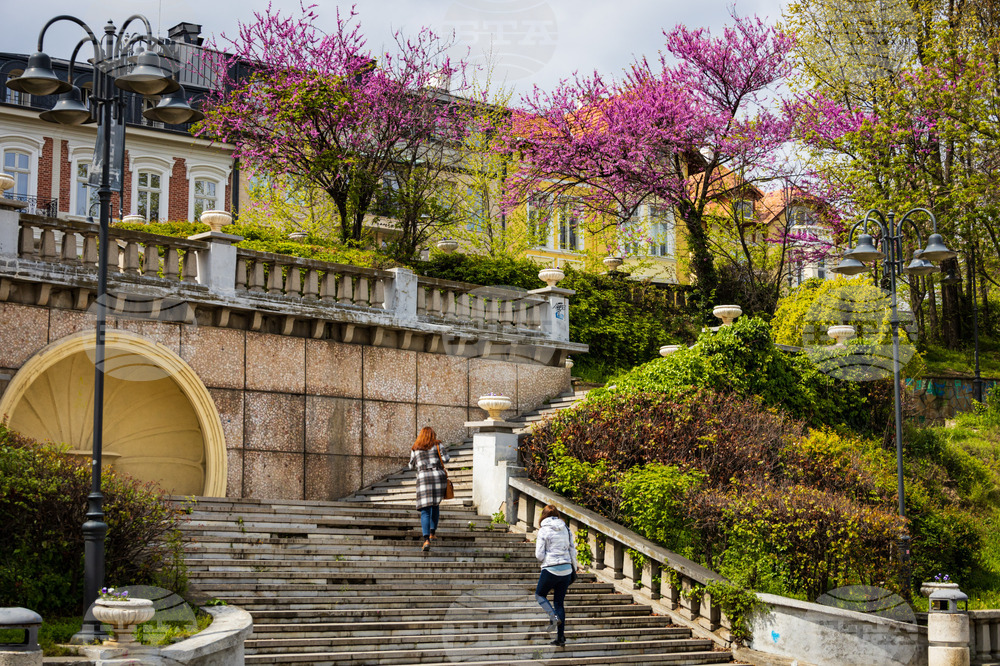
The city of Burgas emerged as a human settlement back in the Neolithic period (6th-5th millennium BCE). Thracian sanctuaries and the Roman baths of Aquae Calidae, built between the 1st and 4th c. CE, have been excavated in the area. The city's name derives from the Greek Pyrgos, meaning tower. In the 18th and 19th c., it was a centre of shipping and commerce. After Bulgaria's liberation from Ottoman rule in 1878, its infrastructure, education and cultural life flourished. Burgas Sea Garden, April 27, 2023 (BTA Photo/Hristo Stefanov)
news.anonymous.signup
news.anonymous.login

Giro d’Italia in Bulgaria, Stage 1: the Route Comes to Life in Images Captured on Camera by BTA
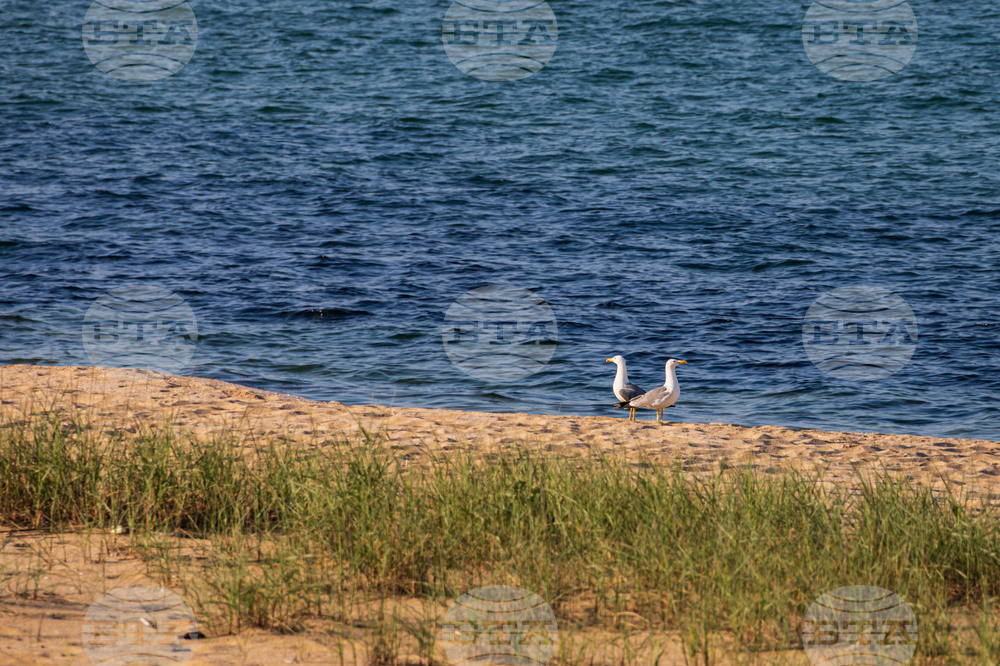
Drivers’ Beach is a long strip of sand, located 6.5 km south of Sozopol and immediately next to the Duni Resort. A view of the Alepu Beach, better known as Drivers’ Beach, Sozopol, June 9, 2023 (BTA Photo/Hristo Stefanov)
news.anonymous.signup
news.anonymous.login
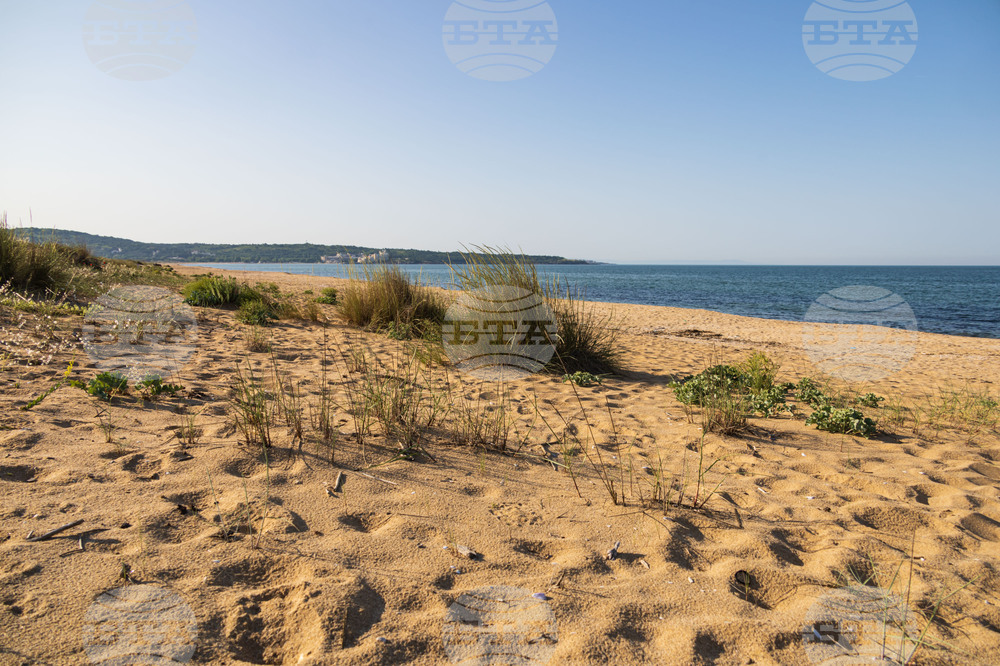
Giro d’Italia in Bulgaria, Stage 1: the Route Comes to Life in Images Captured on Camera by BTA
Drivers’ Beach is a long strip of sand, located 6.5 km south of Sozopol and immediately next to the Duni Resort. A view of the Alepu Beach, better known as Drivers’ Beach, Sozopol, June 9, 2023 (BTA Photo/Hristo Stefanov)
news.anonymous.signup
news.anonymous.login
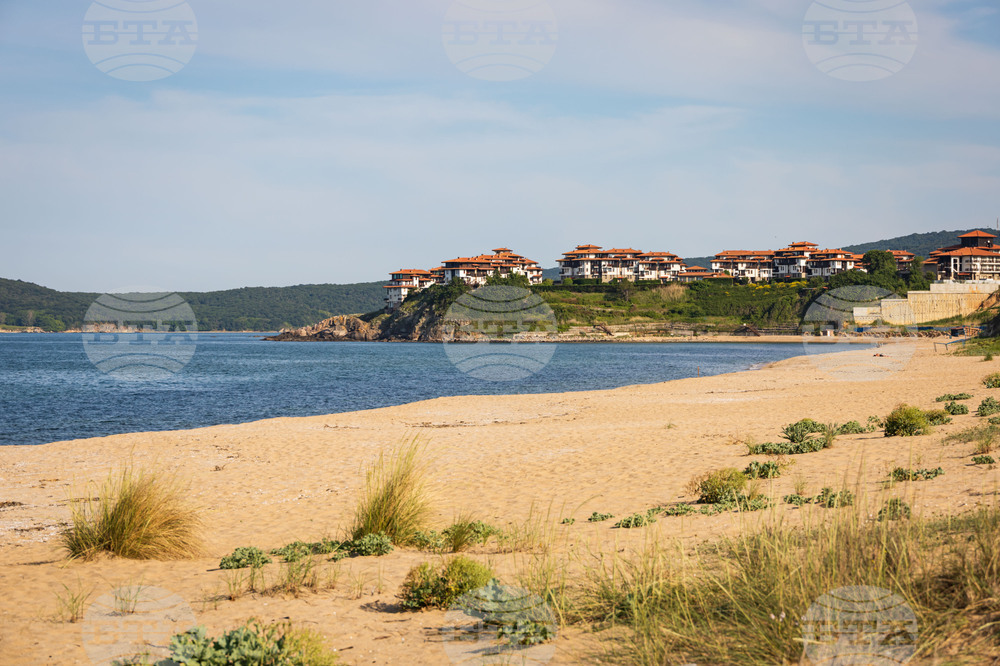
Giro d’Italia in Bulgaria, Stage 1: the Route Comes to Life in Images Captured on Camera by BTA
The St Thomas Island is situated in the Black Sea near the mouth of the Ropotamo River. Also known as Snake Island, it is part of the Ropotamo Nature Reserve. The island is home to wild-growing cacti planted in 1933. Ruins of a Thracian sanctuary and later Christian buildings have been discovered there. A view of the Alepu Beach, better known as the Drivers’ Beach, near Sozopol, with the St Thomas Island nearby, Sozopol, June 9, 2023 (BTA Photo/Hristo Stefanov)
news.anonymous.signup
news.anonymous.login
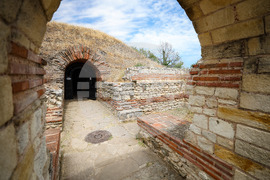
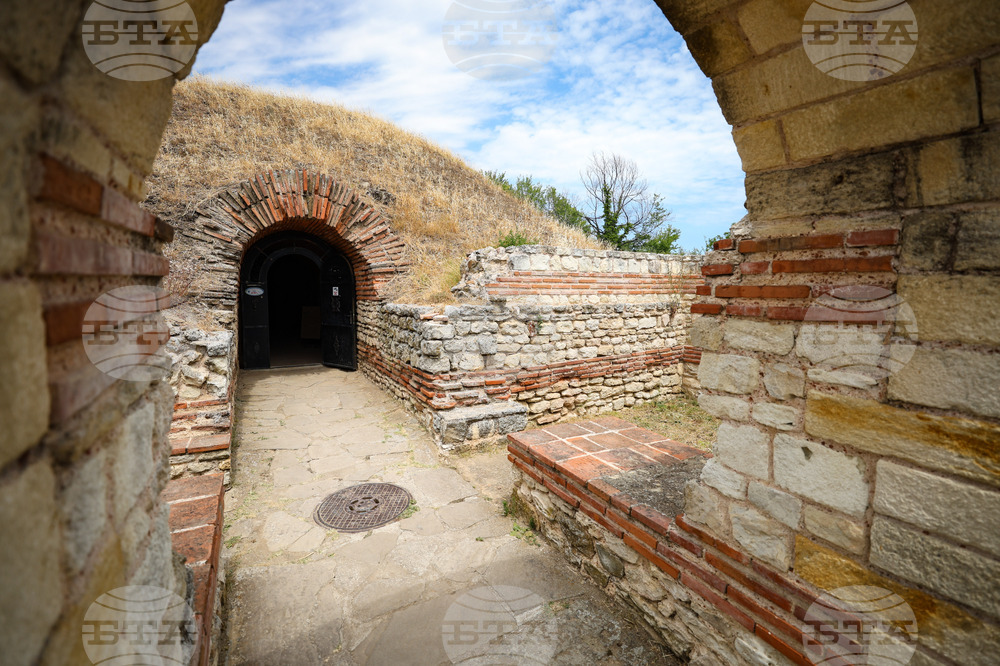
Giro d’Italia in Bulgaria, Stage 1: the Route Comes to Life in Images Captured on Camera by BTA
The town of Pomorie traces its origins to the ancient colony of Anhialo. Over the centuries, it established itself as an important centre of trade and salt production. The Ancient Domed Tomb, July 31, 2025 (BTA Photo/Hristo Stefanov)
news.anonymous.signup
news.anonymous.login
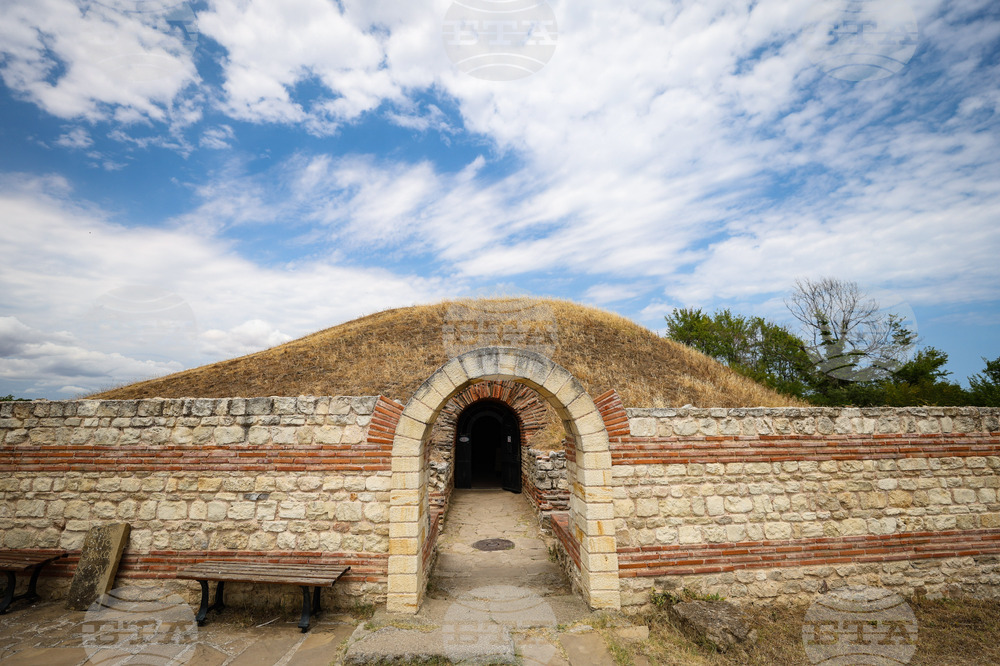
Giro d’Italia in Bulgaria, Stage 1: the Route Comes to Life in Images Captured on Camera by BTA
The town of Pomorie traces its origins to the ancient colony of Anhialo. Over the centuries, it established itself as an important centre of trade and salt production. The Ancient Domed Tomb, July 31, 2025 (BTA Photo/Hristo Stefanov)
news.anonymous.signup
news.anonymous.login
Giro d’Italia in Bulgaria, Stage 1: the Route Comes to Life in Images Captured on Camera by BTA
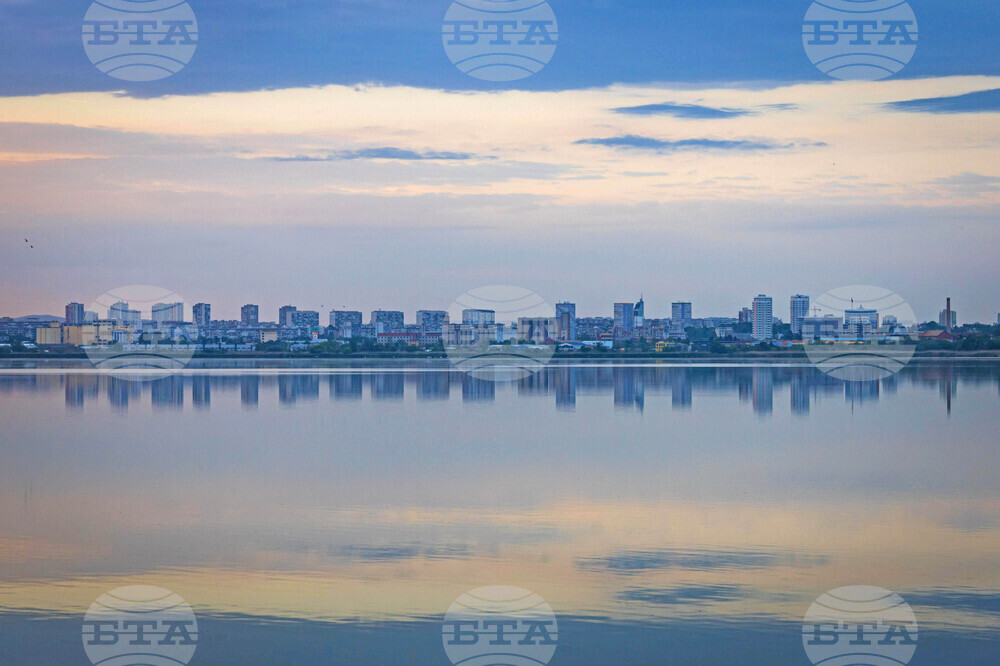
The city of Burgas emerged as a human settlement back in the Neolithic period (6th-5th millennium BCE). Thracian sanctuaries and the Roman baths of Aquae Calidae, built between the 1st and 4th c. CE, have been excavated in the area. The city's name derives from the Greek Pyrgos, meaning tower. In the 18th and 19th c., it was a centre of shipping and commerce. After Bulgaria's liberation from Ottoman rule in 1878, its infrastructure, education and cultural life flourished. Burgas Lake, May 20, 2023 (BTA Photo/Hristo Stefanov)
news.anonymous.signup
news.anonymous.login
Giro d’Italia in Bulgaria, Stage 1: the Route Comes to Life in Images Captured on Camera by BTA
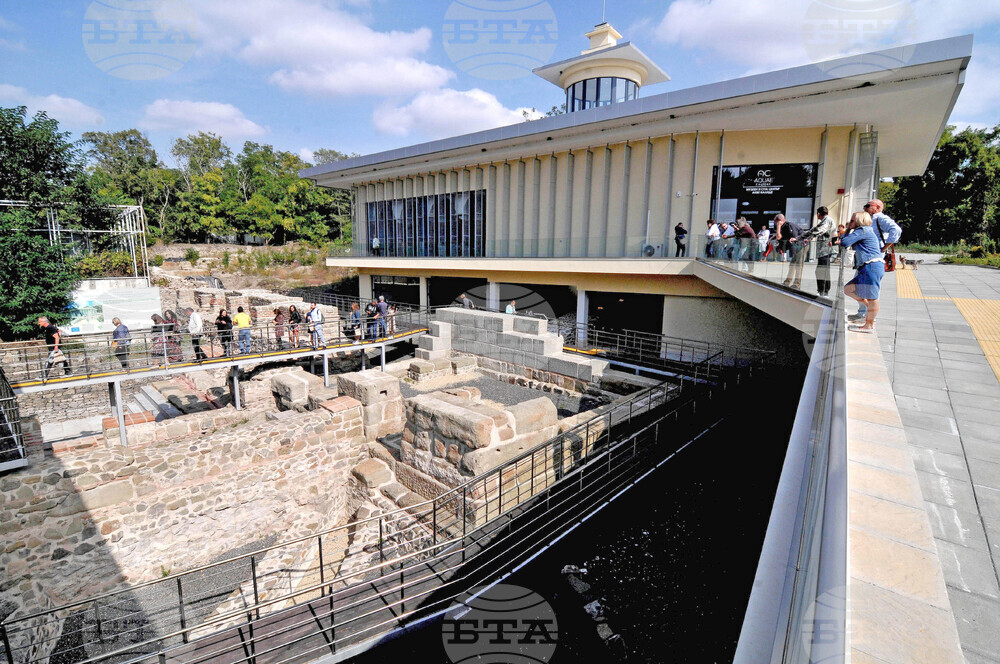
The city of Burgas emerged as a human settlement back in the Neolithic period (6th-5th millennium BCE). Thracian sanctuaries and the Roman baths of Aquae Calidae, built between the 1st and 4th c. CE, have been excavated in the area. The city's name derives from the Greek Pyrgos, meaning tower. In the 18th and 19th c., it was a centre of shipping and commerce. After Bulgaria's liberation from Ottoman rule in 1878, its infrastructure, education and cultural life flourished. Aquae Calidae, October 10, 2022 (BTA Photo/Todor Stavriev)
news.anonymous.signup
news.anonymous.login
Giro d’Italia in Bulgaria, Stage 1: the Route Comes to Life in Images Captured on Camera by BTA
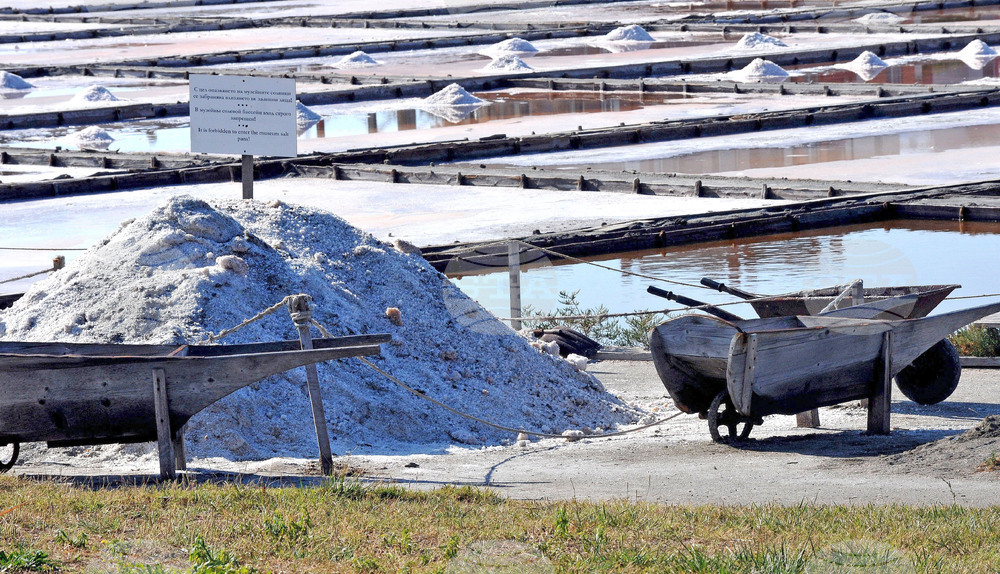
The town of Pomorie traces its origins to the ancient colony of Anhialo. Over the centuries, it established itself as an important centre of trade and salt production. The Salt Museum, September 8, 2022 (BTA Photo/Todor Stavrev)
news.anonymous.signup
news.anonymous.login
Giro d’Italia in Bulgaria, Stage 1: the Route Comes to Life in Images Captured on Camera by BTA
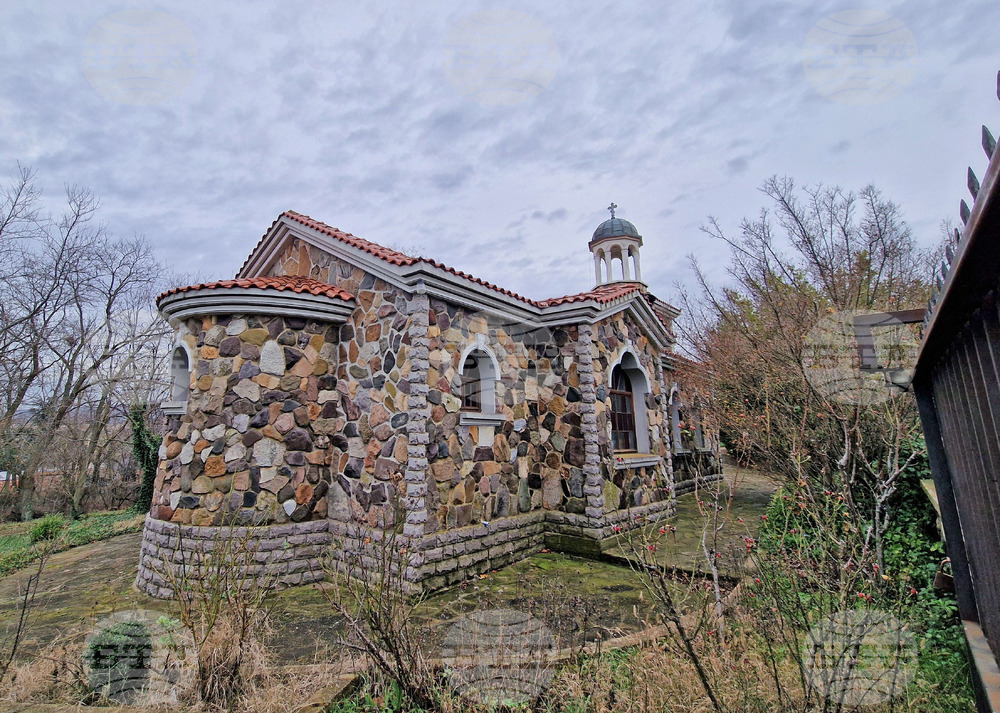
A small village near Sozopol, Ravadinovo is known for its natural setting and growing tourist attractions. Church of St John of Rila, Ravadinovo, January 26, 2026 (BTA Photo/Hristo Stefanov)
news.anonymous.signup
news.anonymous.login
Giro d’Italia in Bulgaria, Stage 1: the Route Comes to Life in Images Captured on Camera by BTA
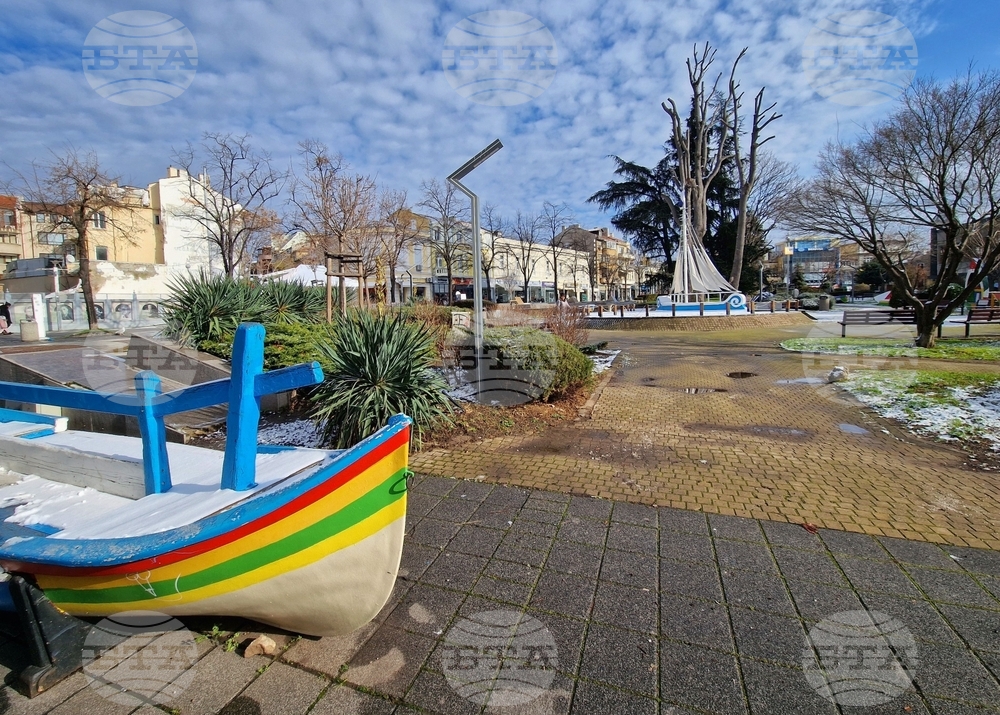
The city of Burgas emerged as a human settlement back in the Neolithic period (6th-5th millennium BCE). Thracian sanctuaries and the Roman baths of Aquae Calidae, built between the 1st and 4th c. CE, have been excavated in the area. The city's name derives from the Greek Pyrgos, meaning tower. In the 18th and 19th c., it was a centre of shipping and commerce. After Bulgaria's liberation from Ottoman rule in 1878, its infrastructure, education and cultural life flourished. A view of the city, Burgas, January 12, 2026 (BTA Photo/Hristo Stefanov)
news.anonymous.signup
news.anonymous.login
Giro d’Italia in Bulgaria, Stage 1: the Route Comes to Life in Images Captured on Camera by BTA
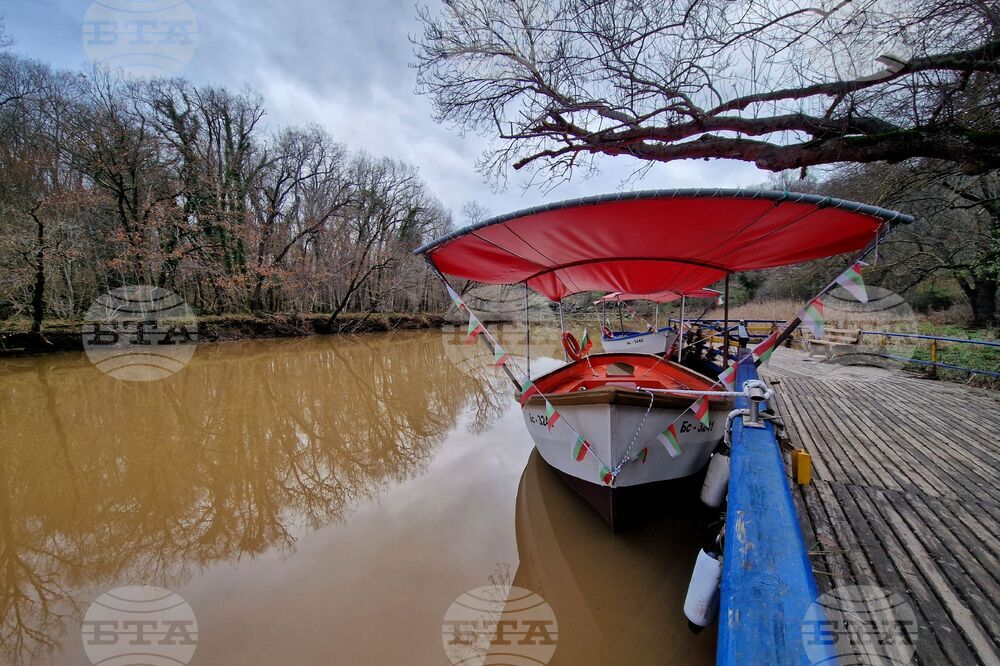
Ropotamo River, December 9, 2025 (BTA Photo/Hristo Stefanov)
news.anonymous.signup
news.anonymous.login
Giro d’Italia in Bulgaria, Stage 1: the Route Comes to Life in Images Captured on Camera by BTA
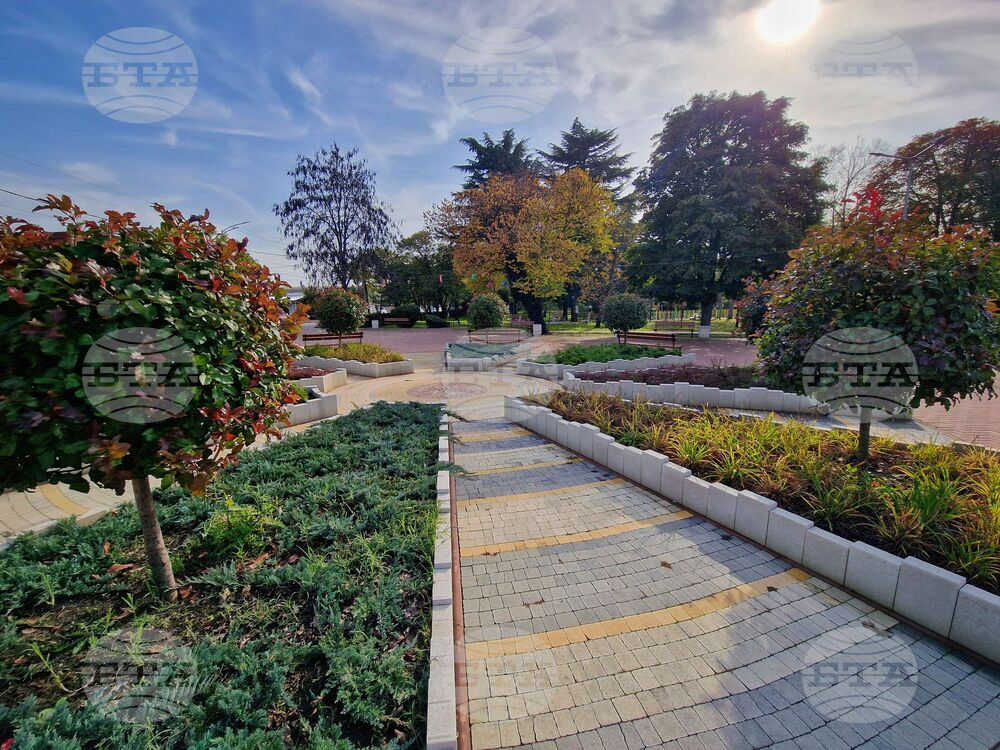
Aheloy is a coastal town. It is associated with the Battle of Achelous in 917. Aheloy was promoted to town status in 2009. It is situated at the mouth of the River Aheloy. A view of the town, Aheloy, November 17, 2025 (BTA Photo/Hristo Stefanov)
news.anonymous.signup
news.anonymous.login
Giro d’Italia in Bulgaria, Stage 1: the Route Comes to Life in Images Captured on Camera by BTA
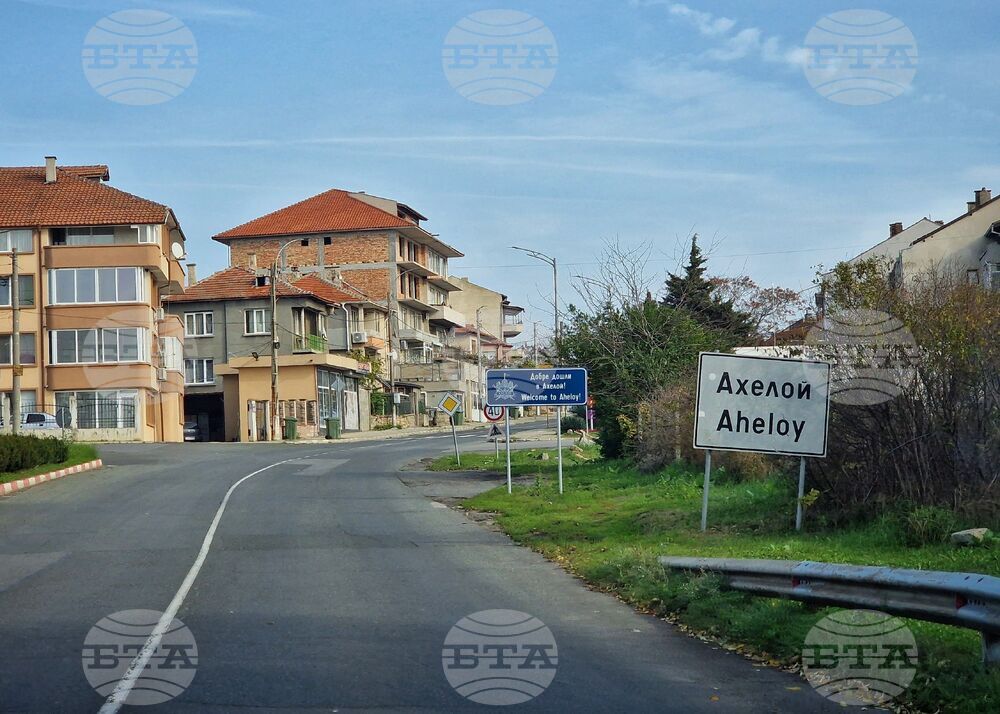
Aheloy is a coastal town. It is associated with the Battle of Achelous in 917. Aheloy was promoted to town status in 2009. It is situated at the mouth of the River Aheloy. Town limits sign, Aheloy, November 17, 2025 (BTA Photo/Hristo Stefanov)
news.anonymous.signup
news.anonymous.login
Giro d’Italia in Bulgaria, Stage 1: the Route Comes to Life in Images Captured on Camera by BTA
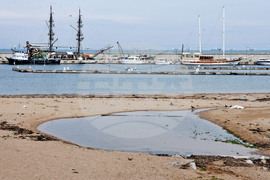
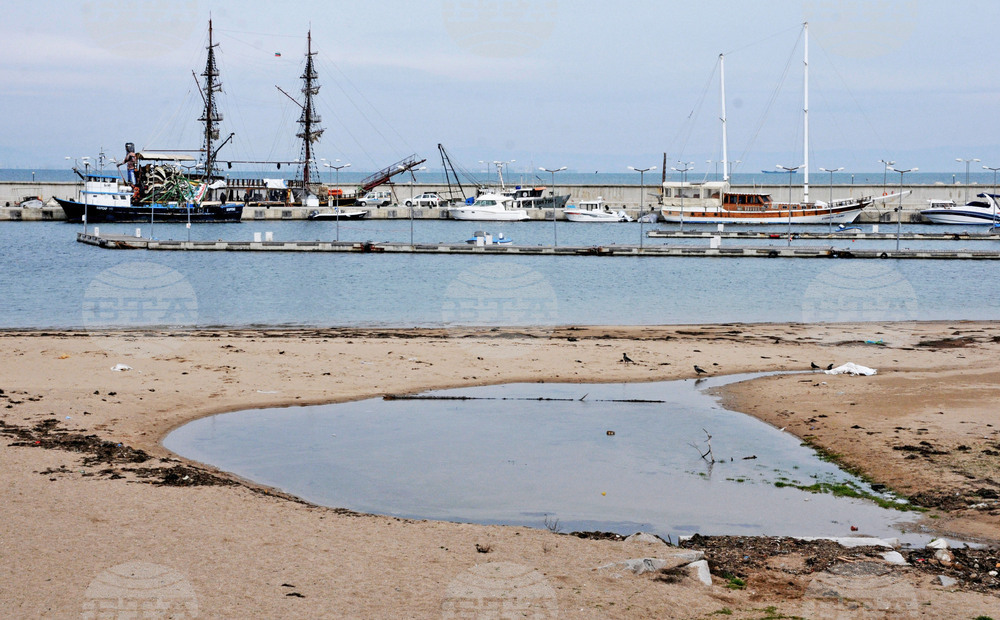
Chernomorets is located on the Bay of Burgas, 25 km south of Burgas. Until 1951, it was called Sveti Nikola, after the bay. To the east of the town are Sozopol and the Sveti Ivan Island. Town beach, Chernomorets, January 26, 2022 (BTA Photo/Todor Stavrev)
news.anonymous.signup
news.anonymous.login
Giro d’Italia in Bulgaria, Stage 1: the Route Comes to Life in Images Captured on Camera by BTA
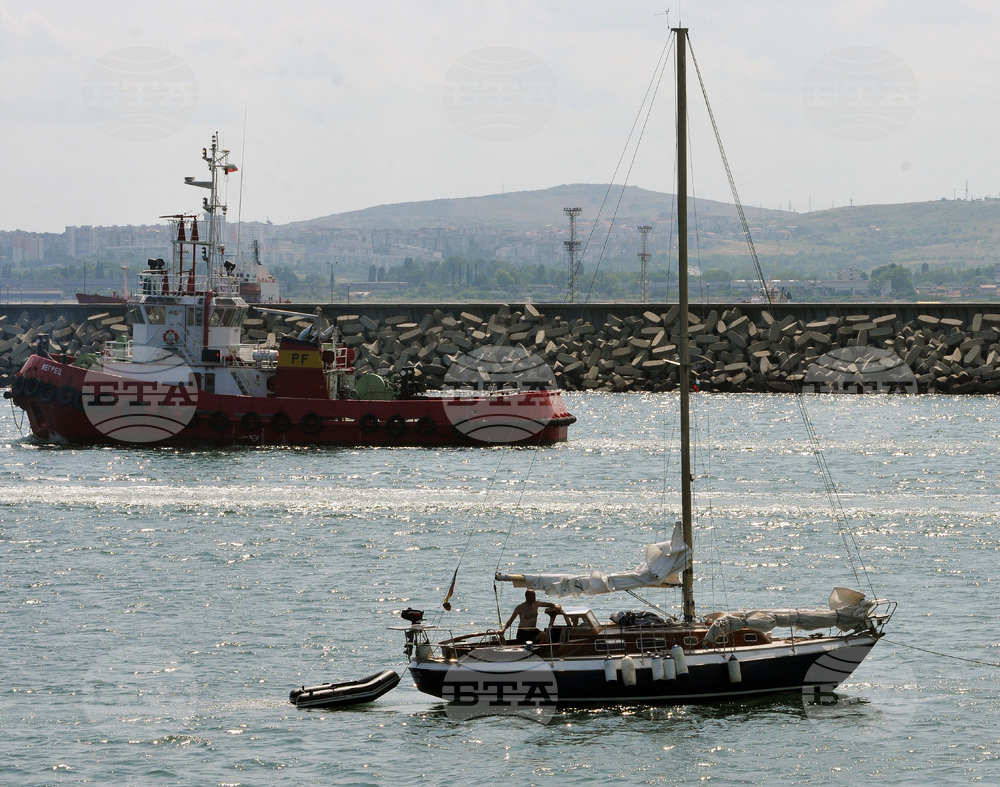
The city of Burgas emerged as a human settlement back in the Neolithic period (6th-5th millennium BCE). Thracian sanctuaries and the Roman baths of Aquae Calidae, built between the 1st and 4th c. CE, have been excavated in the area. The city's name derives from the Greek Pyrgos, meaning tower. In the 18th and 19th c., it was a centre of shipping and commerce. After Bulgaria's liberation from Ottoman rule in 1878, its infrastructure, education and cultural life flourished. Cruise boats and fishing boats in the Bay of Burgas, Burgas, June 29, 2021 (BTA Photo/Todor Stavrev)
news.anonymous.signup
news.anonymous.login
Giro d’Italia in Bulgaria, Stage 1: the Route Comes to Life in Images Captured on Camera by BTA
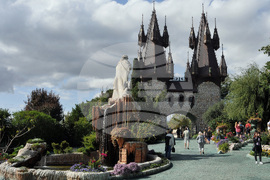
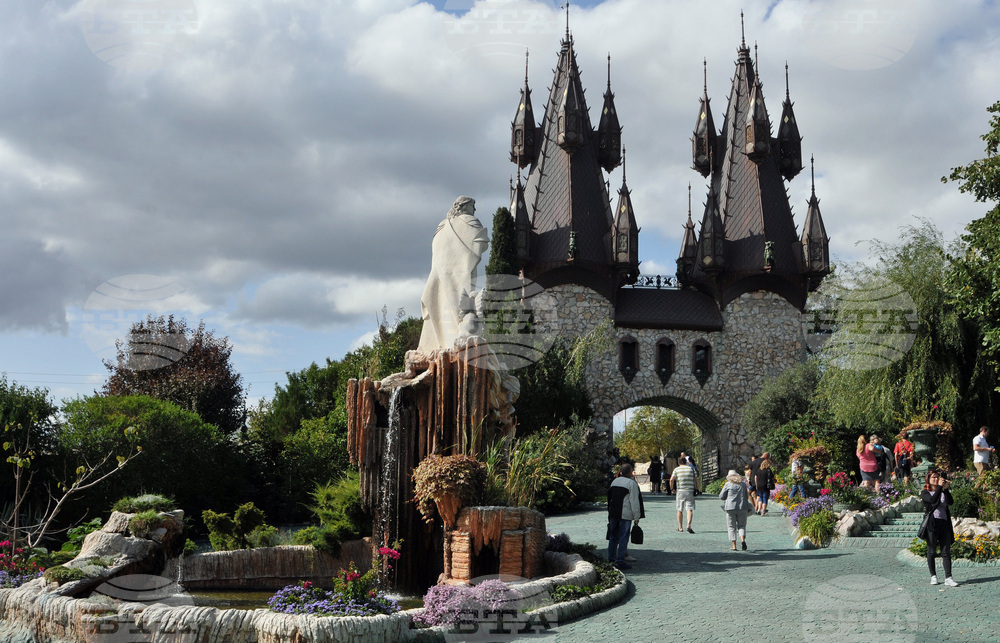
A small village near Sozopol, Ravadinovo is known for its natural setting and growing tourist attractions. In Love with the Wind Castle near the village, Ravadinovo, September 20, 2020 (BTA Photo/Todor Stavrev)
news.anonymous.signup
news.anonymous.login
Giro d’Italia in Bulgaria, Stage 1: the Route Comes to Life in Images Captured on Camera by BTA
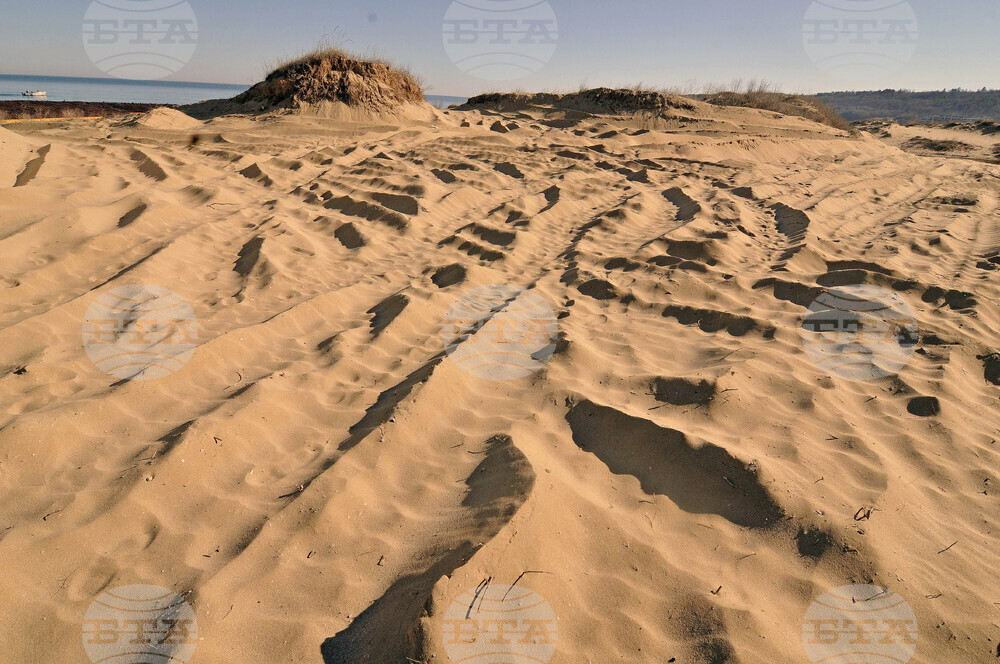
The Smokinya Beach is known for its wide shoreline, dunes, and camping opportunities. – A view of the Smokinya Campsite, Smokinya, August 1, 2003 (BTA Archive Photo/Todor Stavrev)
news.anonymous.signup
news.anonymous.login
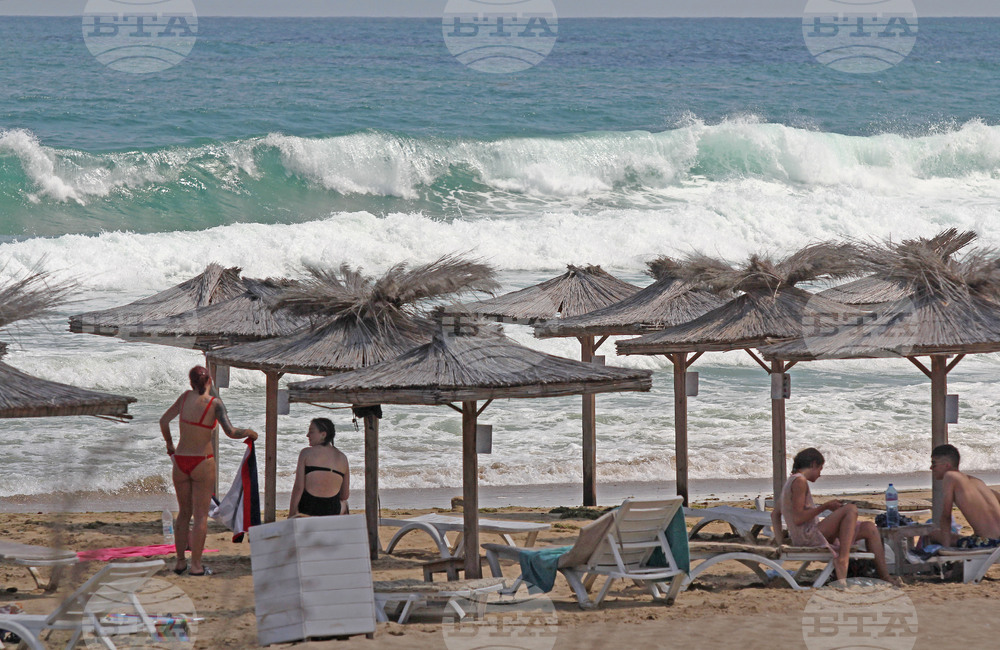
Giro d’Italia in Bulgaria, Stage 1: the Route Comes to Life in Images Captured on Camera by BTA
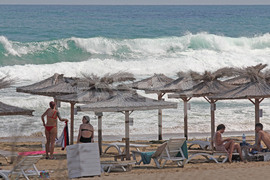
Kavatsi is a beach zone near Sozopol, with sand dunes and camping sites. The Kavatsi Beach in rough sea, Kavatsi, August 14, 2019 (BTA Photo/Asen Tonev)
news.anonymous.signup
news.anonymous.login
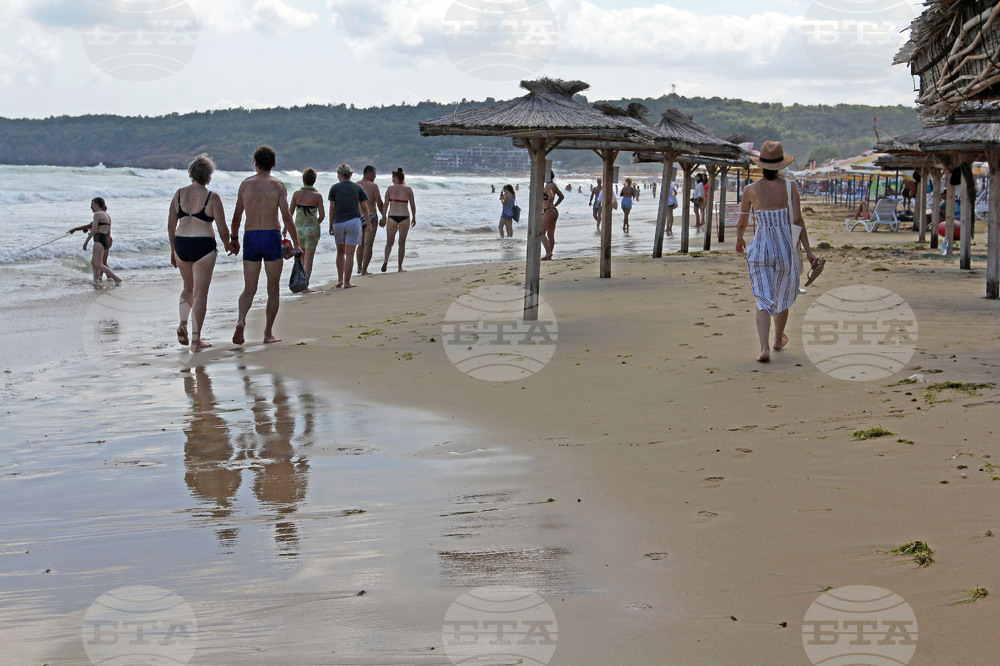
Giro d’Italia in Bulgaria, Stage 1: the Route Comes to Life in Images Captured on Camera by BTA
Kavatsi is a beach zone near Sozopol, with sand dunes and camping sites. The Kavatsi Beach in rough sea, Kavatsi, August 14, 2019 (BTA Photo/Asen Tonev)
news.anonymous.signup
news.anonymous.login
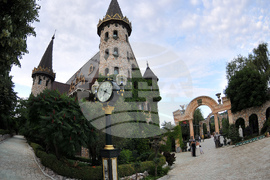
Giro d’Italia in Bulgaria, Stage 1: the Route Comes to Life in Images Captured on Camera by BTA
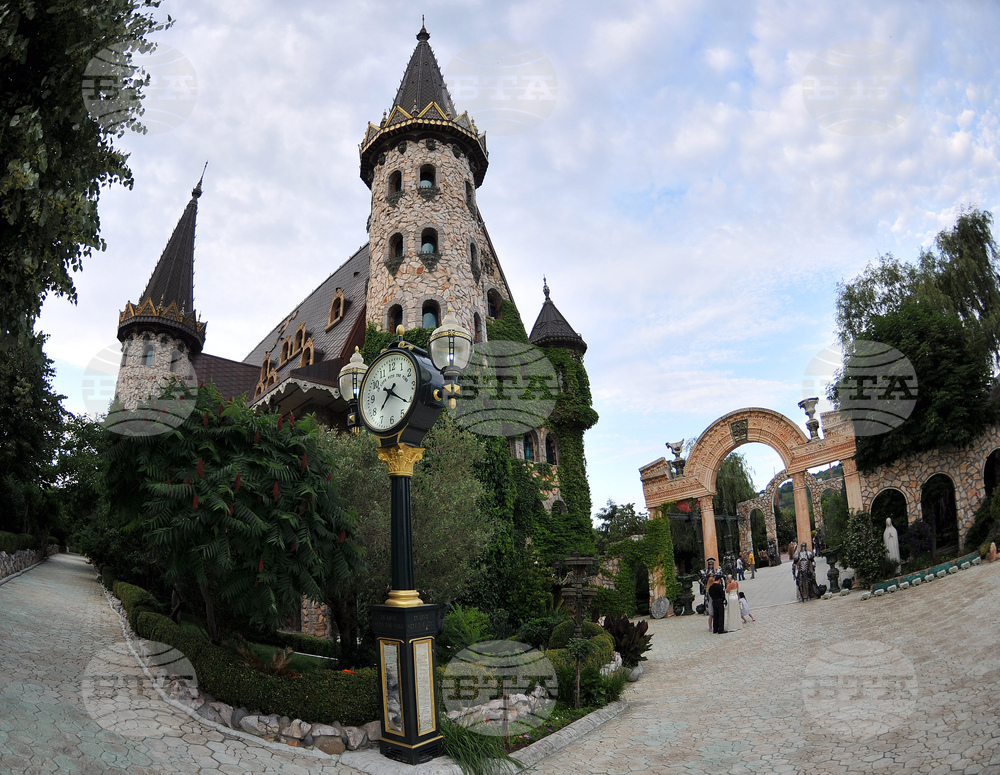
A small village near Sozopol, Ravadinovo is known for its natural setting and growing tourist attractions. In Love with the Wind Castle near the village, Ravadinovo, June 17, 2018 (BTA Photo/Todor Stavrev)
news.anonymous.signup
news.anonymous.login
Giro d’Italia in Bulgaria, Stage 1: the Route Comes to Life in Images Captured on Camera by BTA
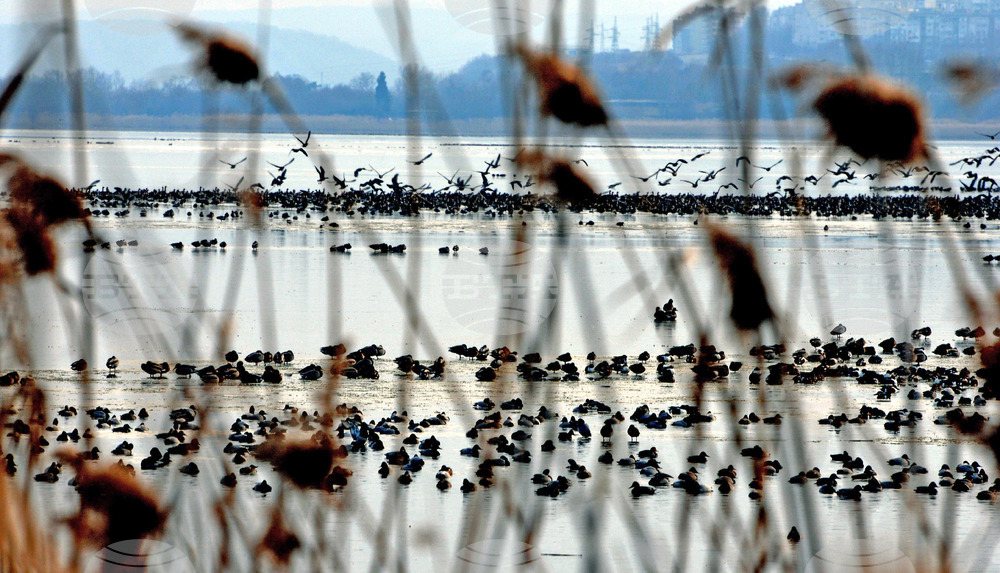
The city of Burgas emerged as a human settlement back in the Neolithic period (6th-5th millennium BCE). Thracian sanctuaries and the Roman baths of Aquae Calidae, built between the 1st and 4th c. CE, have been excavated in the area. The city's name derives from the Greek Pyrgos, meaning tower. In the 18th and 19th c., it was a centre of shipping and commerce. After Bulgaria's liberation from Ottoman rule in 1878, its infrastructure, education and cultural life flourished. Vaya Lake, August 27, 2016 (BTA Photo/Todor Stavrev)
news.anonymous.signup
news.anonymous.login
Giro d’Italia in Bulgaria, Stage 1: the Route Comes to Life in Images Captured on Camera by BTA
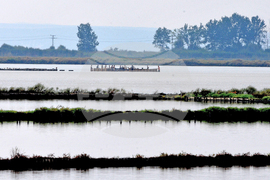
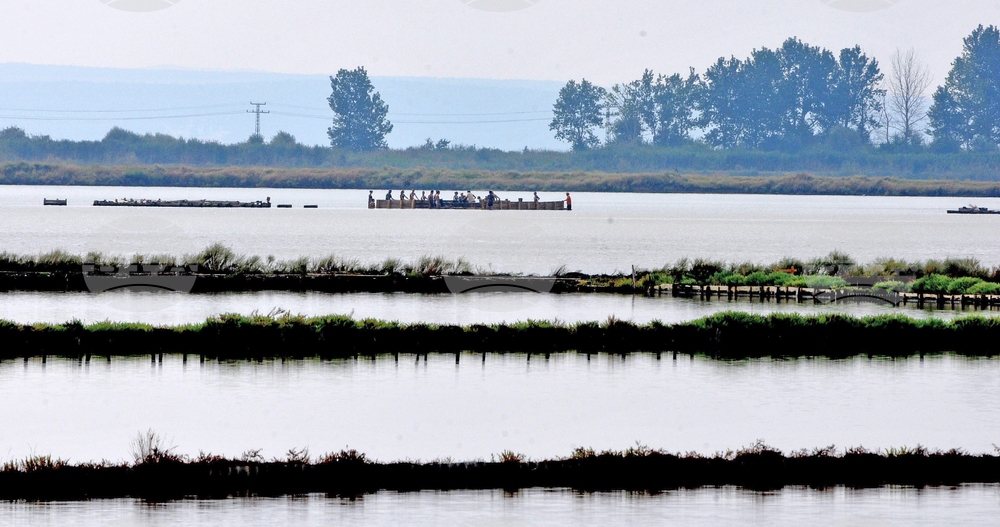
The city of Burgas emerged as a human settlement back in the Neolithic period (6th-5th millennium BCE). Thracian sanctuaries and the Roman baths of Aquae Calidae, built between the 1st and 4th c. CE, have been excavated in the area. The city's name derives from the Greek Pyrgos, meaning tower. In the 18th and 19th c., it was a centre of shipping and commerce. After Bulgaria's liberation from Ottoman rule in 1878, its infrastructure, education and cultural life flourished. Lake Atanasovsko, August 27, 2014 (BTA Photo/Todor Stavrev)
news.anonymous.signup
news.anonymous.login
Giro d’Italia in Bulgaria, Stage 1: the Route Comes to Life in Images Captured on Camera by BTA
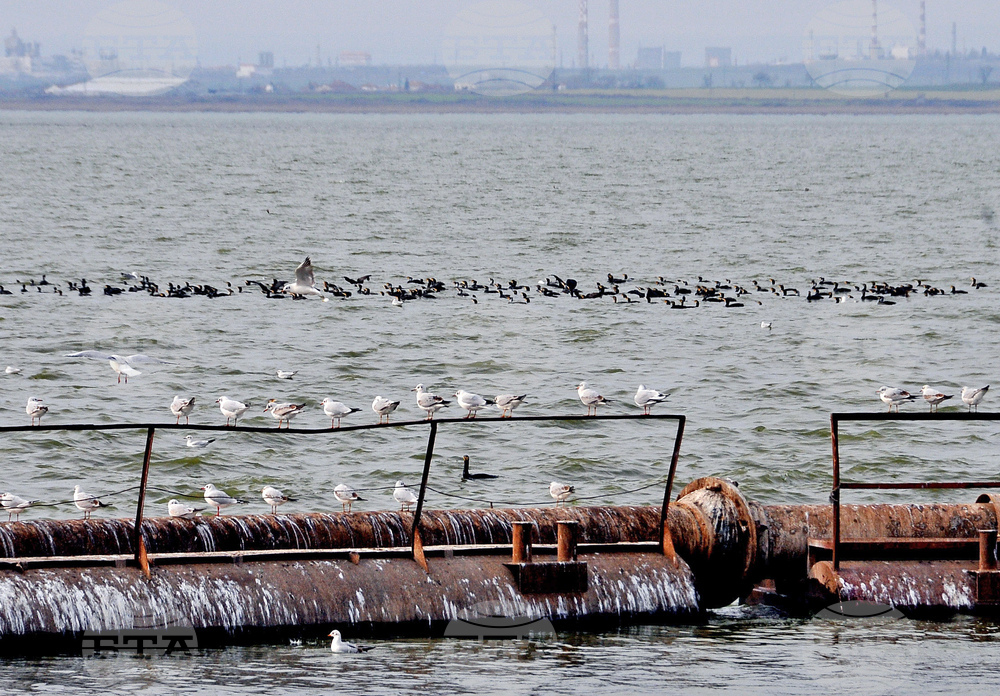
The city of Burgas emerged as a human settlement back in the Neolithic period (6th-5th millennium BCE). Thracian sanctuaries and the Roman baths of Aquae Calidae, built between the 1st and 4th c. CE, have been excavated in the area. The city's name derives from the Greek Pyrgos, meaning tower. In the 18th and 19th c., it was a centre of shipping and commerce. After Bulgaria's liberation from Ottoman rule in 1878, its infrastructure, education and cultural life flourished. Lake Atanasovsko, January 19, 2014 (BTA Photo/Todor Stavrev)
news.anonymous.signup
news.anonymous.login
Giro d’Italia in Bulgaria, Stage 1: the Route Comes to Life in Images Captured on Camera by BTA
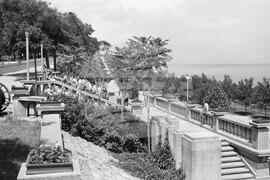
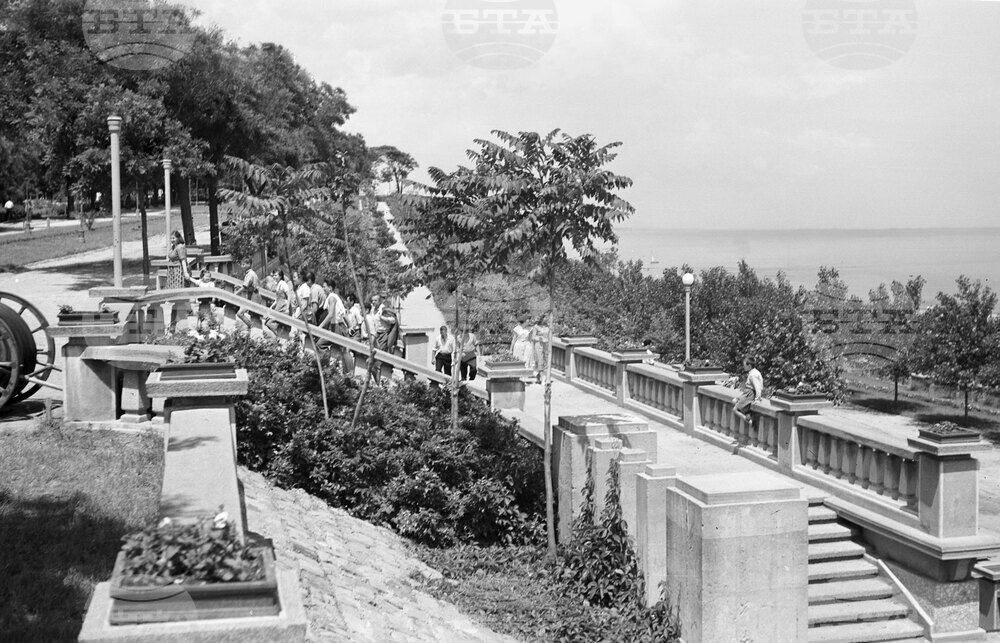
The city of Burgas emerged as a human settlement back in the Neolithic period (6th-5th millennium BCE). Thracian sanctuaries and the Roman baths of Aquae Calidae, built between the 1st and 4th c. CE, have been excavated in the area. The city's name derives from the Greek Pyrgos, meaning tower. In the 18th and 19th c., it was a centre of shipping and commerce. After Bulgaria's liberation from Ottoman rule in 1878, its infrastructure, education and cultural life flourished. Main staircase in front of the Central Sea Baths, Burgas, June 14, 1953 (BTA Archive Photo/Simeon Nenov)
news.anonymous.signup
news.anonymous.login
Giro d’Italia in Bulgaria, Stage 1: the Route Comes to Life in Images Captured on Camera by BTA
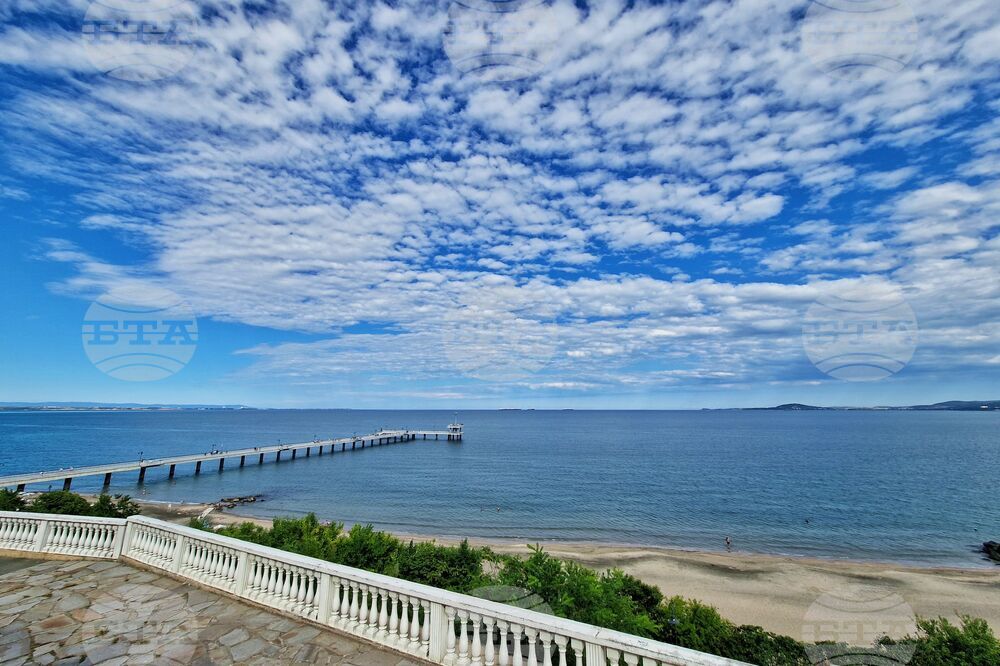
The city of Burgas emerged as a human settlement back in the Neolithic period (6th-5th millennium BCE). Thracian sanctuaries and the Roman baths of Aquae Calidae, built between the 1st and 4th c. CE, have been excavated in the area. The city's name derives from the Greek Pyrgos, meaning tower. In the 18th and 19th c., it was a centre of shipping and commerce. After Bulgaria's liberation from Ottoman rule in 1878, its infrastructure, education and cultural life flourished. Burgas Bay, August 8, 2025 (BTA Photo/Hristo Stefanov)
news.anonymous.signup
news.anonymous.login
Buy a photo
Please confirm photo buy. If you continue this purchase will be deducted from your active subscription.
Photo Download
Please confirm photo download