site.btaParliament Backs Temporary Caps on Mark-ups for Essential Goods, Services at First Reading
Temporary caps on mark-ups for essential goods and services during the period of euro adoption in Bulgaria are envisaged in a bill on measures for price control of essential goods and services, adopted at first reading by Parliament on Wednesday. The bill was tabled by BSP - United Left MP Nina Dimitrova and a group of MPs from various parliamentary groups.
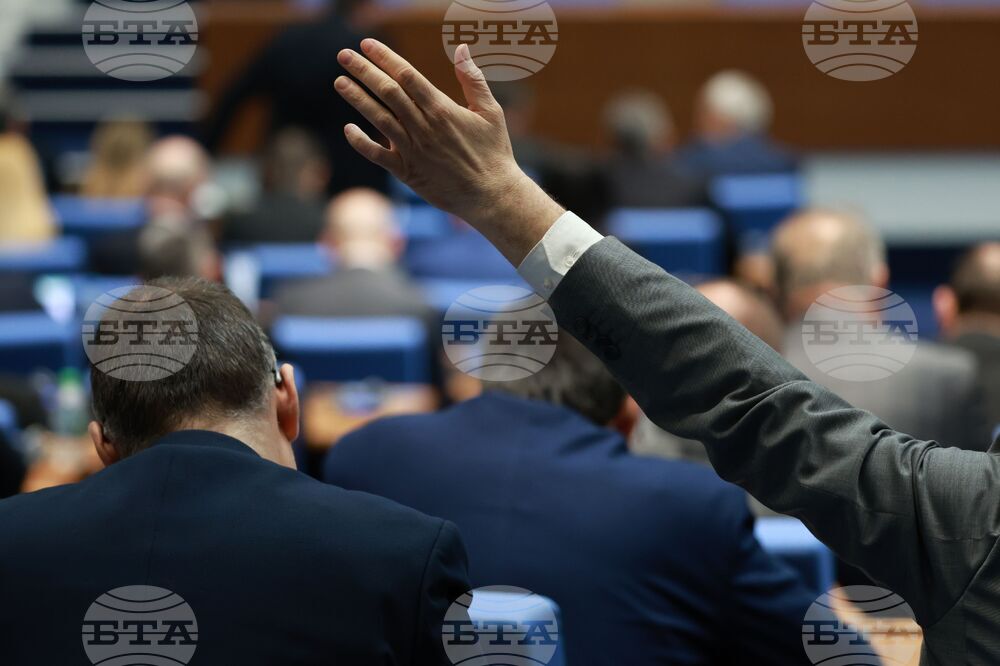
A total of 167 MPs voted in favour from GERB-UDF, Vazrazhdane, MRF – New Beginning, BSP – United Left, There Is Such a People, Alliance for Rights and Freedoms (ARF), MECh, Velichie, and one independent MP. Twenty-two MPs voted against, all from Continue the Change – Democratic Bulgaria (CC-DB). Two MPs abstained — one from CC-DB and one from ARF.
The measures include setting maximum retail prices, as well as caps on mark-ups. Other measures set out include restoring maximum prices to a specific level, publishing price lists on the website of the obligated entity, mandatory regular or periodic provision of price data, as well as a ban on increasing the amount of fees or introducing new ones.
The measures will apply during the euro adoption period in Bulgaria, which begins one month after the date of entry into force of the decision on euro adoption and ends twelve months after its introduction. The duration of individual measures may be shortened or extended if necessary by a decision of the Council of Ministers.
The measures apply to basic foodstuffs and essential services, bank fees and commissions, enterprises providing electronic communications services, petroleum products, over-the-counter medicines, and other goods and services determined by a decision of the Council of Ministers, the MPs wrote.
Many reports of violations have been submitted through the newly created anti-speculation application, and if the process is not brought under control in a timely manner, it will lead to even greater impoverishment and serious social tension, Nina Dimitrova explained. The bill provides specifically for measures against price speculation, rather than acting post factum, she stressed. This law is not against business, but against speculation, in defence of Bulgarian households and their standard of living, the MP emphasised.
Vazrazhdane Deputy Floor Leader Peter Petrov accused BSP of demagogy. He noted that for one year they had governed and served MRF – New Beginning. “BSP had a deputy prime minister and a social minister, approved increases in social security contributions and the maximum insurable income, and is now saying that the bill is not against business,” Petrov added. According to him, the bill is an attempt at populism ahead of the elections.
BSP – United Left Secretary Atanas Atanasov responded: “After constantly lying to your voters, you have no moral right whatsoever to pass judgement on other parties. You are currently looking for an excuse not to take a single concrete action to protect consumers. You have not written even a comma in Bulgaria’s political history — you can only lie to people: against vaccines while vaccinated yourselves, against the euro while holding euro-denominated accounts,” he commented.
CC-DB MP Ivaylo Shotev pointed out that already in the first week of the National Assembly’s work, proposals are being made for Bulgaria to abandon the free market and return to a planned economy, which harms loyal traders and consumers. Speculation is not fought with artificial price ceilings, but with competitiveness and transparent regulators, the MP explained. According to him, the country is heading towards an economy of shortages, with goods disappearing from shops. “Companies resort to changing products in order to meet their targets. The bigger problem is if these prices force producers to change quality and seek substitutes for goods,” Shotev noted. “If such measures are to be introduced, this should be done via the Council of Ministers and for short periods, not through legislative initiatives,” he underlined.
/DD/
news.modal.header
news.modal.text