Lesotho USAID Cuts Photo Gallery
Lesotho USAID Cuts Photo Gallery
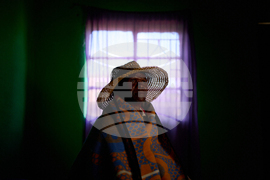
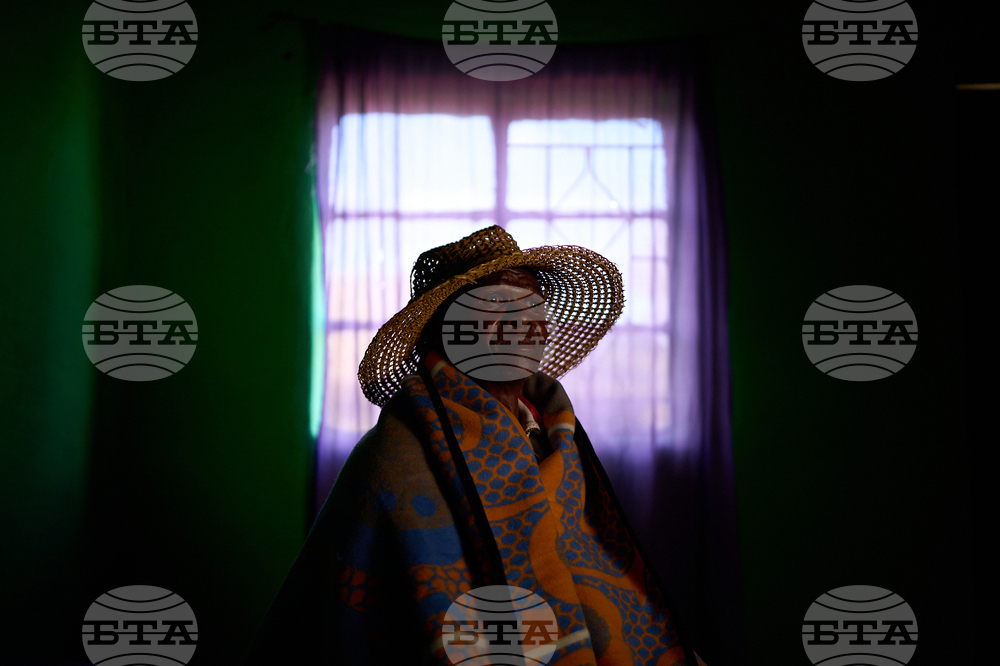
Moeketsi Moleme, 65, who is HIV-positive, poses for a portrait in Ha Koloboi, Lesotho, Saturday, July 12, 2025. Before Moleme contracted the virus, he admits, he discriminated against his HIV-positive neighbors. Then, he got infected, too, and joined them in their peer support group. A former miner, Moleme discovered he was HIV-positive after falling seriously ill with tuberculosis. He is now doing much better, in part thanks to U.S.-funded health programs. "The government in Lesotho and the government in the U.S. must find a solution," he said. (AP Photo/Bram Janssen)
Абонирайте се
Влезте във Вашата БТА

Lesotho USAID Cuts Photo Gallery
A 32-year-old HIV-positive sex worker who spoke to AP on condition of anonymity over fears of stigma poses for a portrait in Maputsoe, Lesotho, Thursday, July 17, 2025. She worked for a USAID-funded organization that provided medical services to people most vulnerable to HIV and AIDS. Losing her job and her salary means she is now solely dependent on sex work to provide for her 9-year-old daughter. (AP Photo/Bram Janssen)
Абонирайте се
Влезте във Вашата БТА
Lesotho USAID Cuts Photo Gallery
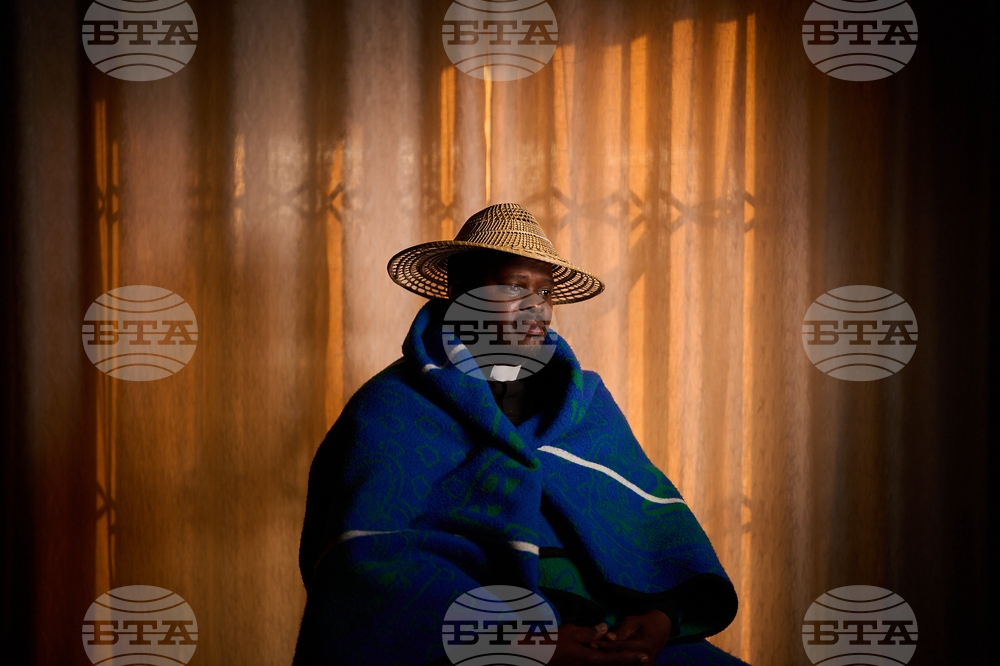
The Rev. Khethang Manyarela poses for a portrait inside his home in Maseru, Lesotho, Sunday, July 20, 2025. Many of his churchgoers are HIV-positive and struggling, particularly after U.S. aid cuts. (AP Photo/Bram Janssen)
Абонирайте се
Влезте във Вашата БТА
Lesotho USAID Cuts Photo Gallery
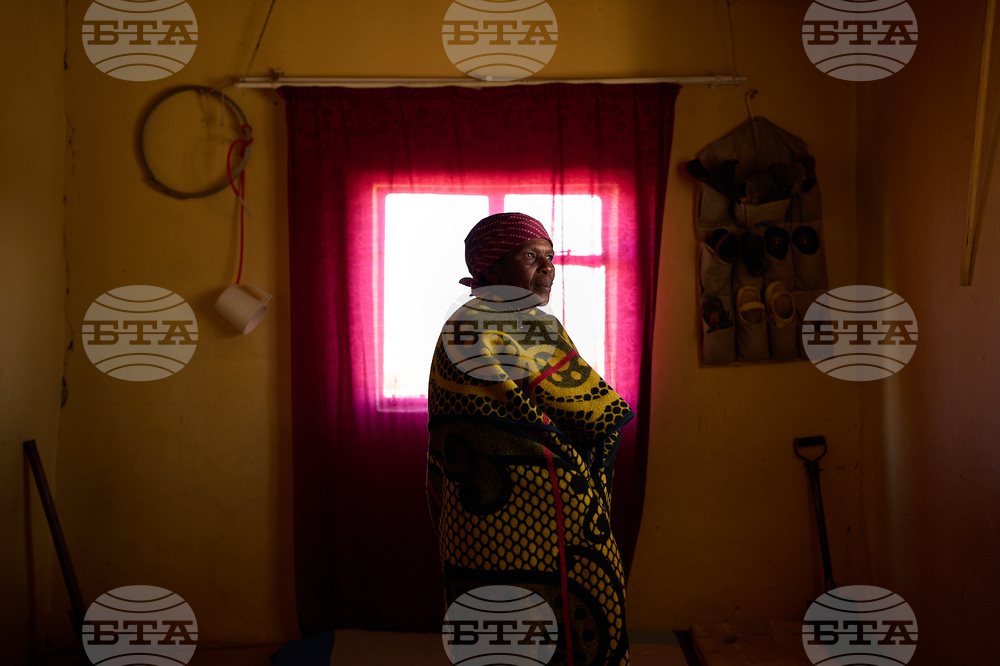
Mateboho Talitha Fusi, who is HIV-positive, poses for a portrait in Ha Koloboi, Lesotho, Saturday, July 12, 2025. Fusi is part of a peer-support group in her village, a concept that came about with U.S.-funded programs to help communities and residents live with HIV and support each other during lifelong treatments. Fusi still has access to her medication, but since the aid cuts, she'd been receiving fewer pills in each refill, causing worry for the future. (AP Photo/Bram Janssen)
Абонирайте се
Влезте във Вашата БТА
Lesotho USAID Cuts Photo Gallery
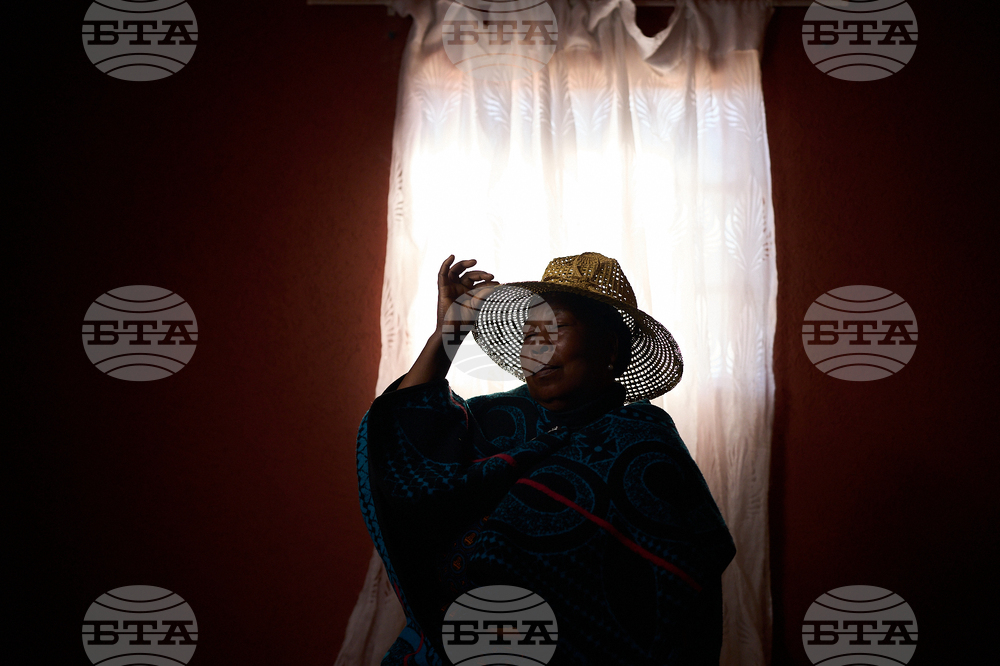
Mamohlalefi Matsoele, who is HIV-positive, poses for a portrait inside her home in Ha Koloboi, Lesotho, Saturday, July 12, 2025. Matsoele makes a living selling poultry and cares for three children, two grandchildren and one orphan whose parents died from AIDS. She fears the country will fall behind in its progress to fight what was one of the deadliest epidemics in modern history. (AP Photo/Bram Janssen)
Абонирайте се
Влезте във Вашата БТА
Lesotho USAID Cuts Photo Gallery
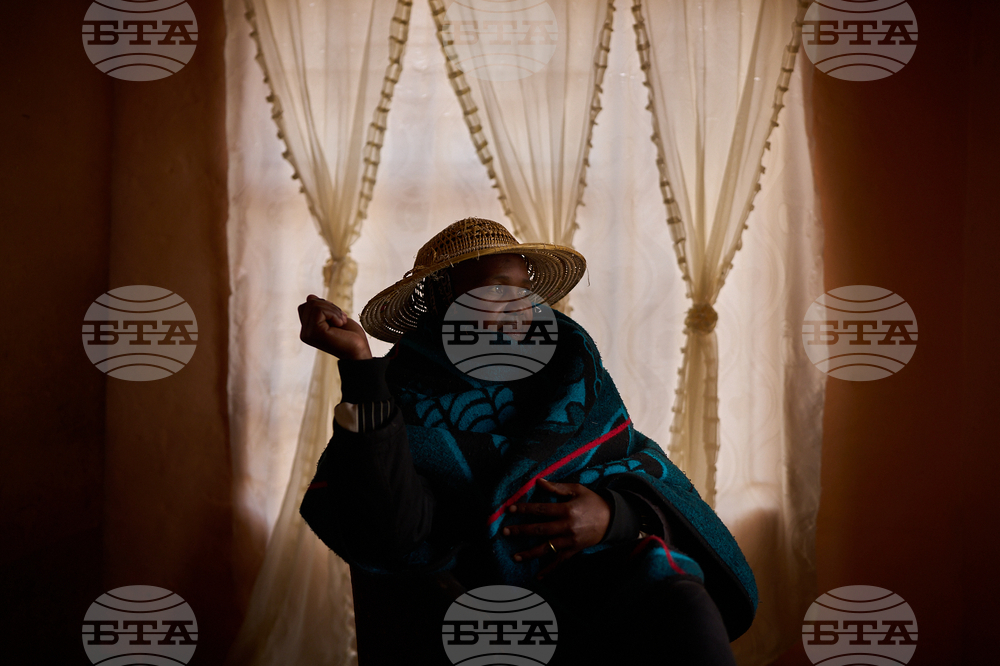
Thabang Masupha, 32, who is HIV-positive, poses for a portrait in Maputsoe, Lesotho, Thursday, July 17, 2025. Masupha, who is unemployed, says she stopped going to public health clinics after being humiliated and discriminated against multiple times by doctors and nurses for being a transgender woman. Masupha trusted only a U.S.-funded organization that specialized in health services for the LGBTQ+ community. When it shut its doors after the U.S. aid cuts, Masupha lost access to medication refills. She is rationing pills, as are some other patients in similar situations. (AP Photo/Bram Janssen)
Абонирайте се
Влезте във Вашата БТА
Lesotho USAID Cuts Photo Gallery
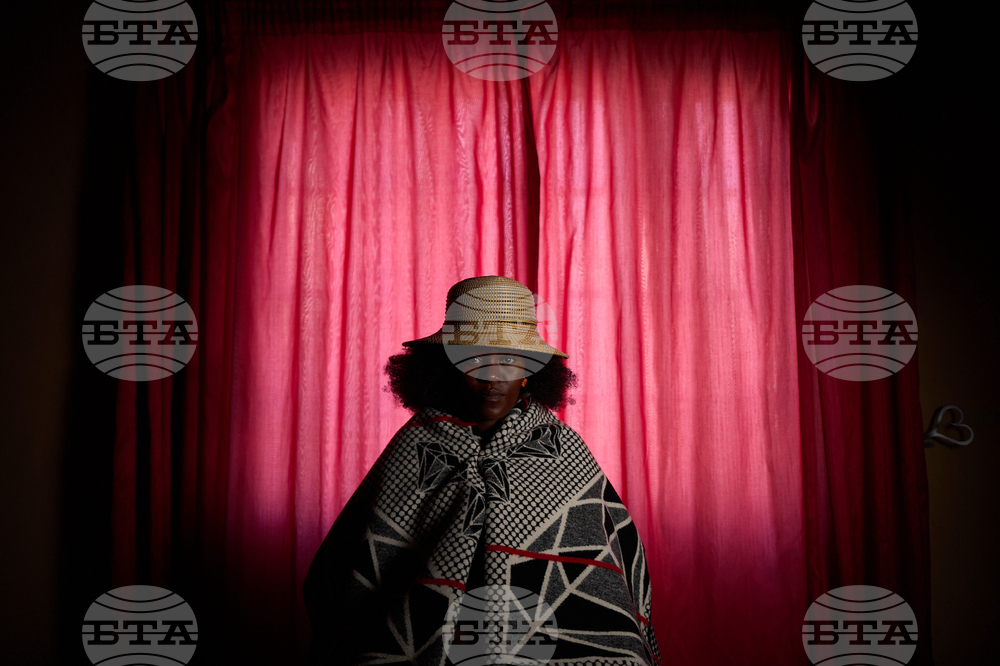
Rethabile Motsamai, 37, who lost her job as an HIV counselor after the USAID cuts, poses for a portrait in Maseru, Lesotho, Sunday, July 20, 2025. Motsamai, a mother of two, has worked since 2016 for U.S.-funded organizations helping people living with HIV across Lesotho. In January, her HIV counselor role was eliminated, leaving many of her patients in isolated communities without access to services. "They'll just stop taking their medication," she said. As of October, Motsamai remained unemployed but hoped she might be hired again. (AP Photo/Bram Janssen)
Абонирайте се
Влезте във Вашата БТА
Lesotho USAID Cuts Photo Gallery
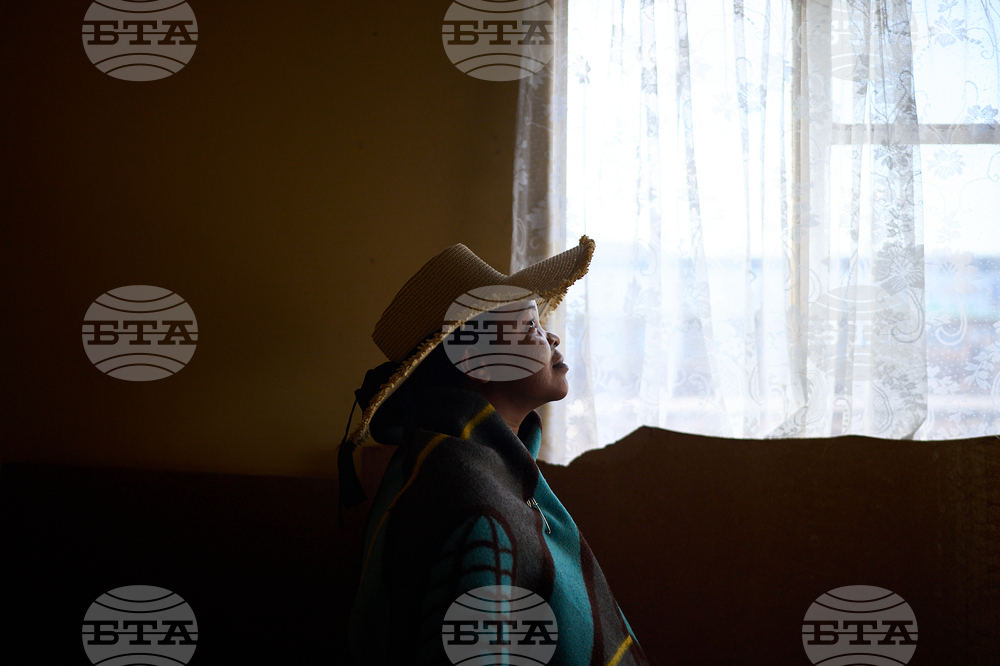
Evelin Kholeli, a massage therapist who is HIV-negative and lost access to the prevention medication known as PreP, poses for a portrait in Maputsoe, Lesotho, Thursday, July 17, 2025. Kholeli worked next door to a USAID-funded walk-in clinic that served people most vulnerable to HIV and AIDS. One day in January, she found the doors of the clinic closed without notice. "I would cry, I was praying that maybe after three months they would come back," she said. "Nothing happened." (AP Photo/Bram Janssen)
Абонирайте се
Влезте във Вашата БТА
Lesotho USAID Cuts Photo Gallery
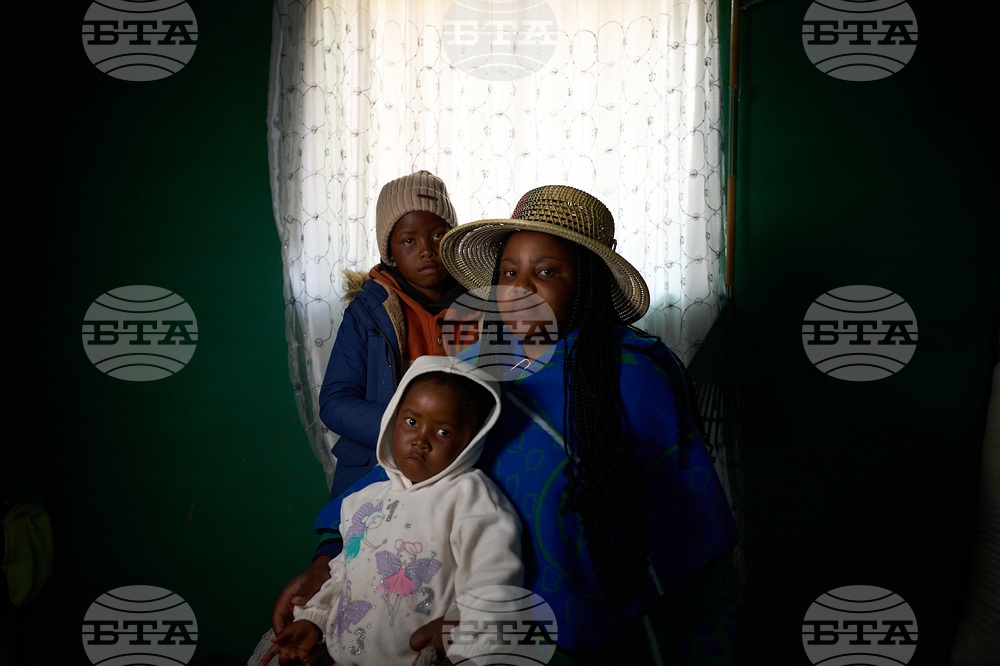
Matseliso Lekhoele, 36, who is HIV-positive, poses for a portrait with her two children, Bohlokoa, 8, and Maseabata, 4, inside their home in Thaba-Tsoeu, Lesotho, Sunday, July 13, 2025. Both her children are HIV-negative, with help from U.S.-funded HIV prevention programs. Since the aid cuts, pregnant and breastfeeding mothers have lost access to such programs, putting babies at risk. (AP Photo/Bram Janssen)
Абонирайте се
Влезте във Вашата БТА
Lesotho USAID Cuts Photo Gallery
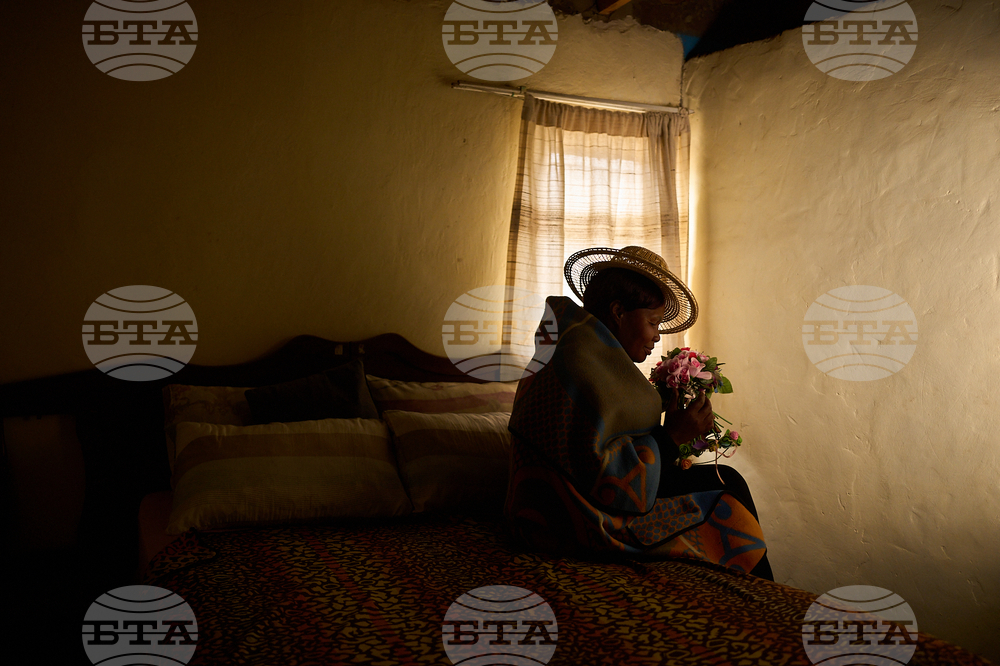
Lisebo Lechela, 53, an HIV-positive sex worker, poses for a portrait in her house in Maputsoe, Lesotho, Thursday, July 17, 2025. Lechela lost her job at a USAID-funded organization that provided medical services and medication to people most vulnerable to HIV and AIDS, including sex workers and gay and transgender people. After her husband died of AIDS, Lechela vowed to work to end the stigma around HIV. "These American donations had changed people's lives," Lechela said. (AP Photo/Bram Janssen)
Абонирайте се
Влезте във Вашата БТА
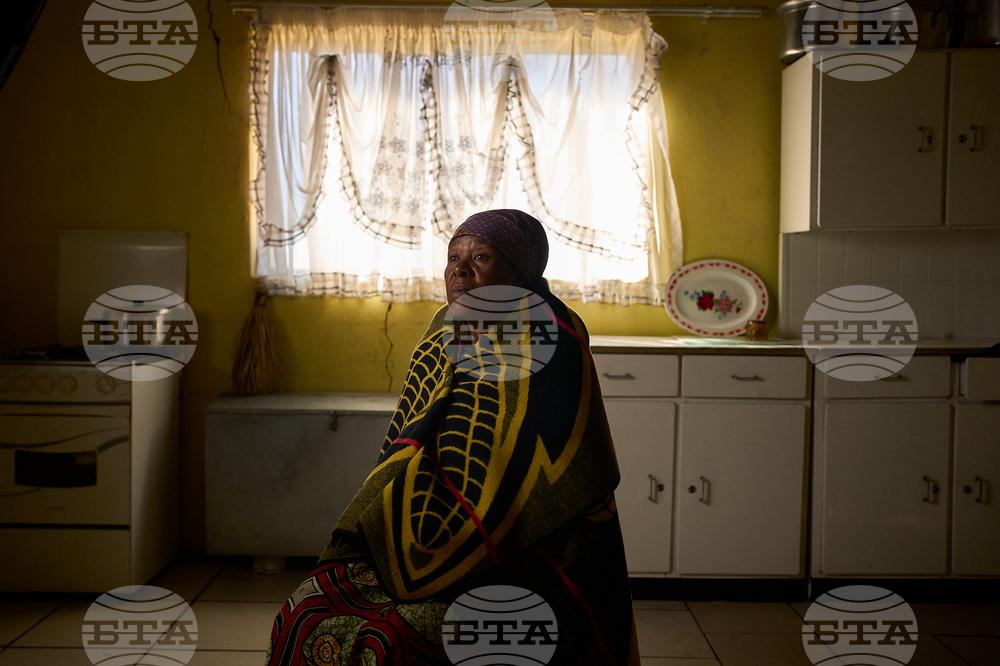
Lesotho USAID Cuts Photo Gallery
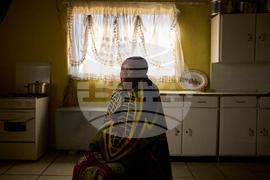
Mapapali Mosoeunyane, 62, poses for a portrait inside her home in Ha Koloboi, Lesotho, Saturday, July 12, 2025. Mosoeunyane leads a peer support group in her village. The aid cuts have caused panic among her neighbors. They remember the early days of the HIV/AIDS epidemic, when a positive test result was akin to being handed a death sentence. Lesotho has made progress in cutting deaths and infections, in large part thanks to nearly $1billion in U.S. aid. Mosoeunyane fears that with less foreign assistance, deaths and infections will rise again. (AP Photo/Bram Janssen)
Абонирайте се
Влезте във Вашата БТА
Избиране на снимки
Моля потвърдете избраните снимки. Това действие не е свързано с плащане. Ако продължите, избраните снимки ще бъдат извадени от баланса на вашите активни абонаментни пакети.
Изтегляне на снимка
Моля потвърдете изтеглянето на снимката/ите
Moeketsi Moleme, 65, who is HIV-positive, poses for a portrait in Ha Koloboi, Lesotho, Saturday, July 12, 2025. Before Moleme contracted the virus, he admits, he discriminated against his HIV-positive neighbors. Then, he got infected, too, and joined them in their peer support group. A former miner, Moleme discovered he was HIV-positive after falling seriously ill with tuberculosis. He is now doing much better, in part thanks to U.S.-funded health programs. "The government in Lesotho and the government in the U.S. must find a solution," he said. (AP Photo/Bram Janssen)