Green Transition Forum 6.0
![Cohesion Policy Stands as Key Mechanism for EU's Balanced Development, President of European Committee of Regions Says]()
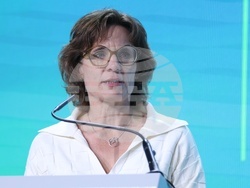
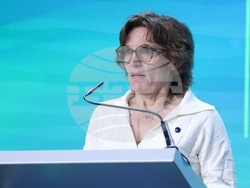
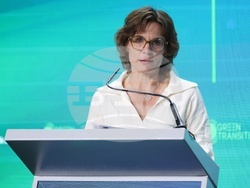
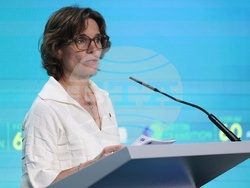
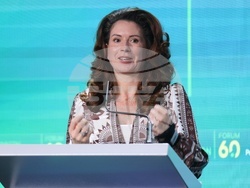
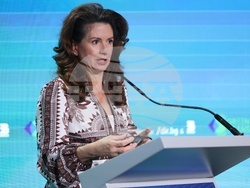
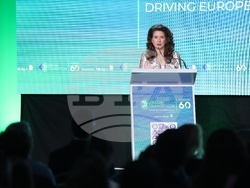
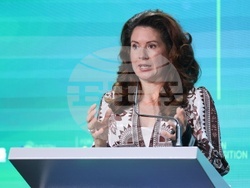
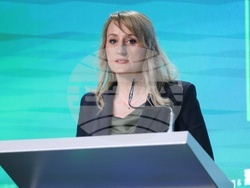
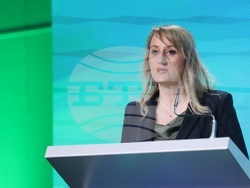
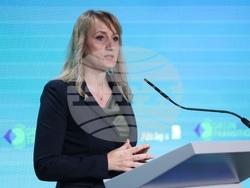
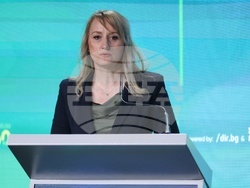
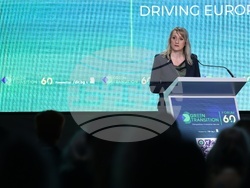
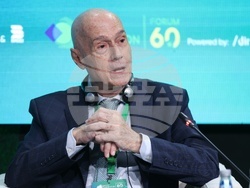
![Cohesion Policy Stands as Key Mechanism for EU's Balanced Development, President of European Committee of Regions Says]() President of the European Committee of the Regions Kata Tutto speaking at the Green Transition Forum 6.0, Sofia, June 4, 2026 (BTA Photo/Hristo Kasabov)
President of the European Committee of the Regions Kata Tutto speaking at the Green Transition Forum 6.0, Sofia, June 4, 2026 (BTA Photo/Hristo Kasabov)
![Грийн транзишън форум 6.0 - Дискусия на високо ниво: Кръгова промишленост, действия по отношение на климата и устойчивост на водите – движеща сила за конкурентоспособния преход на Европа]()
![Грийн транзишън форум 6.0 - Дискусия на високо ниво: Кръгова промишленост, действия по отношение на климата и устойчивост на водите – движеща сила за конкурентоспособния преход на Европа]()
![Грийн транзишън форум 6.0 - Дискусия на високо ниво: Кръгова промишленост, действия по отношение на климата и устойчивост на водите – движеща сила за конкурентоспособния преход на Европа]()
![Грийн транзишън форум 6.0 - Дискусия на високо ниво: Кръгова промишленост, действия по отношение на климата и устойчивост на водите – движеща сила за конкурентоспособния преход на Европа]()
![Грийн транзишън форум 6.0 - Дискусия на високо ниво: Кръгова промишленост, действия по отношение на климата и устойчивост на водите – движеща сила за конкурентоспособния преход на Европа]()
![Грийн транзишън форум 6.0 - Дискусия на високо ниво: Кръгова промишленост, действия по отношение на климата и устойчивост на водите – движеща сила за конкурентоспособния преход на Европа]()
![Грийн транзишън форум 6.0 - Дискусия на високо ниво: Кръгова промишленост, действия по отношение на климата и устойчивост на водите – движеща сила за конкурентоспособния преход на Европа]()
![Грийн транзишън форум 6.0 - Дискусия на високо ниво: Кръгова промишленост, действия по отношение на климата и устойчивост на водите – движеща сила за конкурентоспособния преход на Европа]()
![Грийн транзишън форум 6.0 - Дискусия на високо ниво: Кръгова промишленост, действия по отношение на климата и устойчивост на водите – движеща сила за конкурентоспособния преход на Европа]()
![Грийн транзишън форум 6.0 - Дискусия на високо ниво: Кръгова промишленост, действия по отношение на климата и устойчивост на водите – движеща сила за конкурентоспособния преход на Европа]()
![Грийн транзишън форум 6.0 - Дискусия на високо ниво: Кръгова промишленост, действия по отношение на климата и устойчивост на водите – движеща сила за конкурентоспособния преход на Европа]()
![Грийн транзишън форум 6.0 - Дискусия на високо ниво: Кръгова промишленост, действия по отношение на климата и устойчивост на водите – движеща сила за конкурентоспособния преход на Европа]()
![Грийн транзишън форум 6.0 - Дискусия на високо ниво: Кръгова промишленост, действия по отношение на климата и устойчивост на водите – движеща сила за конкурентоспособния преход на Европа]()
![Грийн транзишън форум 6.0 - Дискусия на високо ниво: Кръгова промишленост, действия по отношение на климата и устойчивост на водите – движеща сила за конкурентоспособния преход на Европа]()
![Грийн транзишън форум 6.0 - Дискусия на високо ниво: Кръгова промишленост, действия по отношение на климата и устойчивост на водите – движеща сила за конкурентоспособния преход на Европа]()
![Грийн транзишън форум 6.0 - Дискусия на високо ниво: Кръгова промишленост, действия по отношение на климата и устойчивост на водите – движеща сила за конкурентоспособния преход на Европа]()
![Грийн транзишън форум 6.0 - Дискусия на високо ниво: Кръгова промишленост, действия по отношение на климата и устойчивост на водите – движеща сила за конкурентоспособния преход на Европа]()
![Грийн транзишън форум 6.0 - Дискусия на високо ниво: Кръгова промишленост, действия по отношение на климата и устойчивост на водите – движеща сила за конкурентоспособния преход на Европа]()
![Грийн транзишън форум 6.0 - Дискусия на високо ниво: Кръгова промишленост, действия по отношение на климата и устойчивост на водите – движеща сила за конкурентоспособния преход на Европа]()
![Грийн транзишън форум 6.0 - Дискусия на високо ниво: Кръгова промишленост, действия по отношение на климата и устойчивост на водите – движеща сила за конкурентоспособния преход на Европа]()
![Грийн транзишън форум 6.0 - Дискусия на високо ниво: Кръгова промишленост, действия по отношение на климата и устойчивост на водите – движеща сила за конкурентоспособния преход на Европа]()
site.btaCohesion Policy Stands as Key Mechanism for EU's Balanced Development, President of European Committee of Regions Says
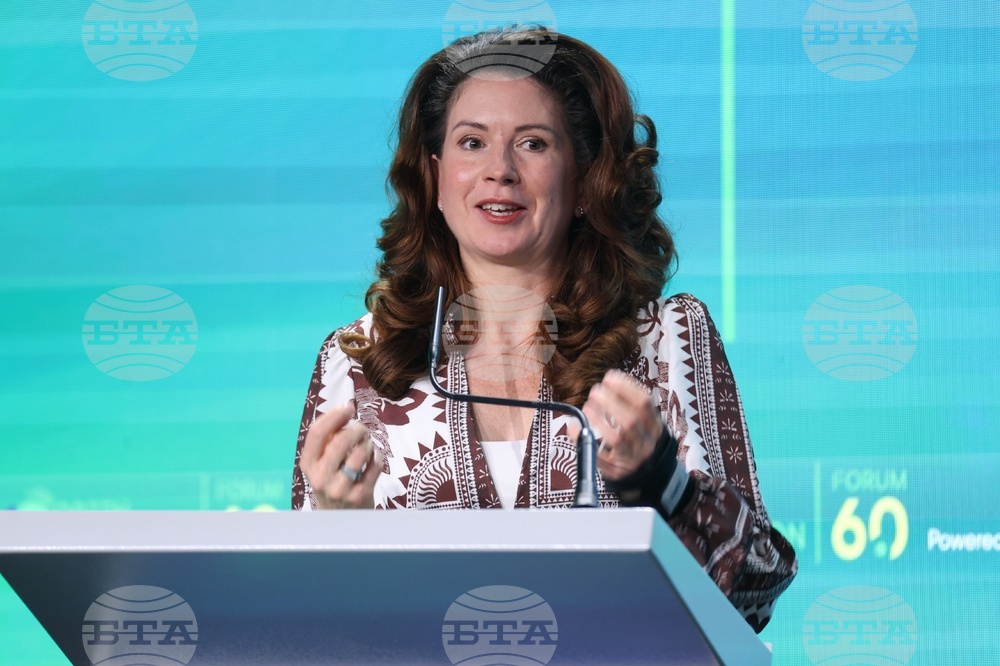
The cohesion policy of the EU is a key instrument for reducing disparities between regions and ensuring sustainable and balanced development within the Union, said Kata Tutto, President of the European Committee of the Regions (CoR), here on Thursday. Tutto was taking part in a panel on the fourth day of the Green Transition Forum 6.0, dedicated to the circular economy, cohesion policy, sustainable cities, and water resources.
The forum is organized by Dir.bg and the Bulgarian-Greek Chamber of Commerce and Industry. BTA is among the event's media partners.
Tutto emphasized that Europe's future depends on the ability of institutions, businesses, local authorities, and citizens to work together amid constant change and crises, as well as on ensuring that all regions have a real opportunity for development. The constant upheaval and lack of predictability of the modern world require a new approach to policy and investment management. That is why greater cooperation is needed between the European, national, regional, and local levels, as well as the involvement of the business and the non-governmental sectors, and citizens, she said.
Tutto added that while the idea of taking more risks is often mentioned, this cannot be tested simultaneously on 450 million European citizens but should be done on a rather limited scale. That is why cities and regions are the natural environment for innovation and implementation of new solutions, she said.
She emphasized that mayors, municipal councillors, and regional leaders from various types of territories participate in the decision-making process of the CoR, meaning that about 70% of European legislation is implemented at the local level. This makes the role of cities and regions crucial for the actual implementation of European policies. She noted that local authorities should stay focused on people's actual needs.
Tutto addressed the issue of the EU budget, noting that while it may appear substantial from the outside, it actually amounts to 1% of the EU's GDP, which raises questions about the budget's future increase and about investment priorities.
The President of the CoR said that cohesion policy should not be seen as a form of aid but as a mechanism for continuously reinvesting the benefits of the single market in all regions. Without such mechanisms, market forces would lead to more developed regions evolving even faster, while less developed ones would fall further behind. Through cohesion policy, funds are invested in infrastructure, skills, digital and energy connectivity, and in local economic ecosystems, so that all regions can grow together.
Tutto concluded that the goal for Europe is not to grow only at an average rate, but to offer every region real opportunities for development, so that they can be part of the overall European progress.
/VE/
Additional

news.modal.image.header
news.modal.image.text
news.modal.download.header
news.modal.download.text
news.modal.header
news.modal.text