site.btaDeputy Economy Minister Barbalov Participates in Competitiveness Council Session in Brussels
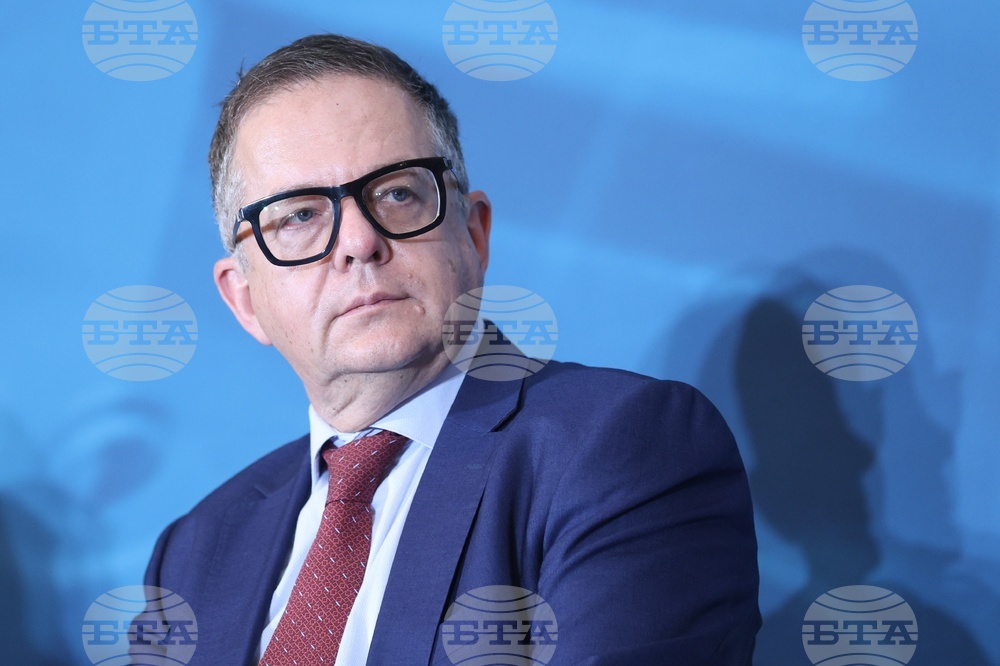
The Ministry of Economy and Industry press centre announced on Tuesday that Deputy Minister Doncho Barbalov had participated in a regular session of the Competitiveness Council that took place in Brussels. The Competitiveness Council (COMPET) is a configuration of the Council of the European Union which meets at least four times a year. It brings together ministers responsible for trade, the economy, industry, research, innovation and space from all EU Member States. The council deals with four policy areas: the internal market, industry, research and innovation, and space.
During the session, Barbalov said that the various configurations of the Council should be regularly informed about the impact of new initiatives on administrative requirements and adaptation deadlines which will enable businesses to plan their commitments in a timely manner. The optimal functioning of the single market is contingent upon the establishment of clear, predictable, and universally applicable regulations .
With regard to the removal of barriers within the Single Market, he stated that Bulgaria endorses the "Heatmap" initiative and considers the utilization of reliable information to be of paramount importance. Bulgaria has identified three such barriers: namely, complex procedures for the establishment and operation of business; fragmented rules on packaging, labeling, waste management and national differences and restrictive regulation of services, leading to inconsistencies between Member States. He added that Bulgaria has expressed its support for the work on the three initial priority barriers and has emphasized the importance of clear deadlines, collaborative efforts, and regular monitoring of progress.
In the course of the discussion on e-commerce, the Deputy Economy Minister articulated the concerns of the Bulgarian Government with regard to the substantial growth of third-country trade, which has been identified as exerting an additional strain on customs and control authorities, and as having a bearing on the working conditions of European companies. It was asserted that there is a necessity for enhanced cooperation at the pan-European level, the implementation of information campaigns for consumers, and the exchange of good practices. Furthermore, it was noted that there is a need to strengthen the capacity of national authorities working in a dynamic environment and with limited resources.
Barbalov expressed his approval of the establishment of the European Competitiveness Fund, emphasizing the necessity of effective coordination, equitable allocation of resources, and the consideration of distinct national contexts. He stressed the necessity of reducing administrative barriers, facilitating access for small and medium-sized enterprises, and establishing conditions conducive to active private sector participation.
/RY/MR/
news.modal.header
news.modal.text