site.btaYouths Involved in Plovdiv Killing Do Not Differ from Average Bulgarian Student Profile, Says Education Minister
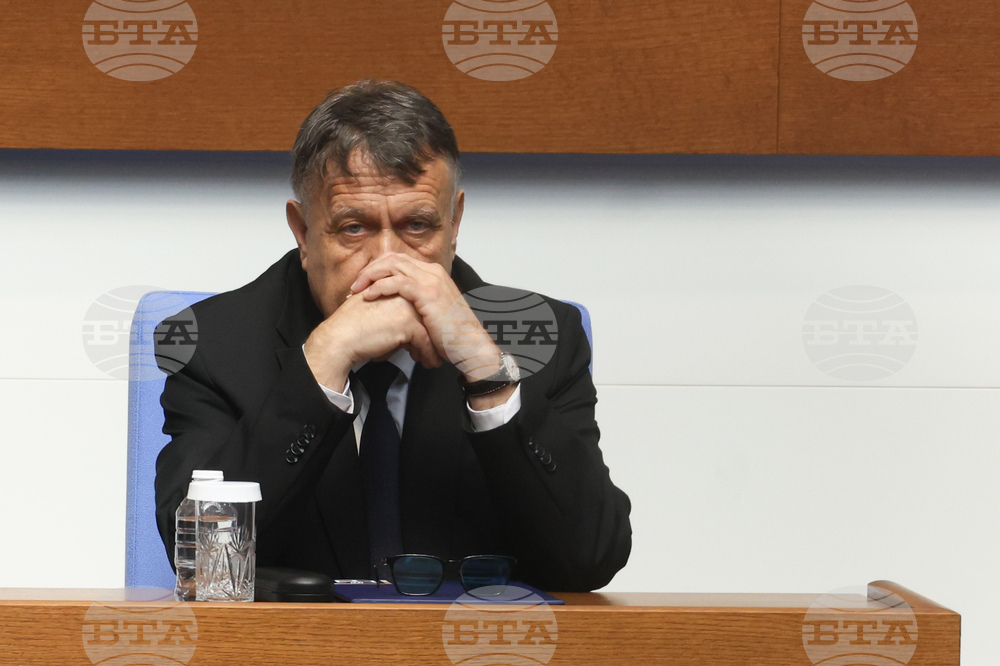
Almost all of the students involved in the brutal assault and killing of a man in Plovdiv do not differ from the profile of the average Bulgarian student, Education Minister Prof. Georgi Valchev told Nova TV on Saturday.
"Most of them do not have many absencent days from school. Some, of course, have a higher number of absences, but these were excused," Valchev said. He added that he believed only one had been sanctioned for around eight unexcused absences, mostly resulting from being late for school.
The parents of almost all of the students had maintained contact with school management, meaning there had been no breakdown in communication between the schools and the families, the Minister said.
At the same time, almost all of the youths showed signs of gradually becoming marginalized and detached from their classmates, seeking other groups in which to form friendships, feel significant and develop a sense of belonging, Valchev said.
Only one of the students had an exceptionally high number of absences. Although these were also excused on medical grounds, their number suggested that the student had effectively become detached from education altogether, he added.
One of the youths had previously been involved in a recorded incident of aggression, but it was an isolated case to which the parents, the Interior Ministry authorities and the school had all responded, according to Valchev.
"We should not deceive ourselves that school is the only environment in which we can solve the problem of aggression," he said.
Asked whether the youths had seen school psychologists, Valchev said some had had such contact. Providing school psychologists and other educational professionals has long been a Ministry policy and will continue, he added, citing the increasingly complex environment in which students learn and teachers work.
The reality inside Bulgarian schools is not necessarily the picture people usually see at the opening of the school year or during celebrations on May 24, Valchev said. While many positive things happen in schools, teachers themselves face aggression and considerable pressure, while students can feel particularly unstable as they enter adolescence, he added.
Valchev argued that schools can fulfil their role effectively only if families become their allies. Teachers cannot be expected to monitor individual students' social media profiles, he said, describing this as the responsibility of families. Where parents identify something concerning that they cannot address themselves, they can alert the school management or class teacher and, where necessary, seek assistance from child protection authorities and other relevant institutions.
According to the Minister, tragedies of this kind occur in part because institutions largely operate separately from one another. Better coordination between institutions, families and schools could help prevent similar cases in the future, he said.
/YV/
news.modal.header
news.modal.text