site.btaConditional Support for Draft Public Social Insurance Budget Act Achieved
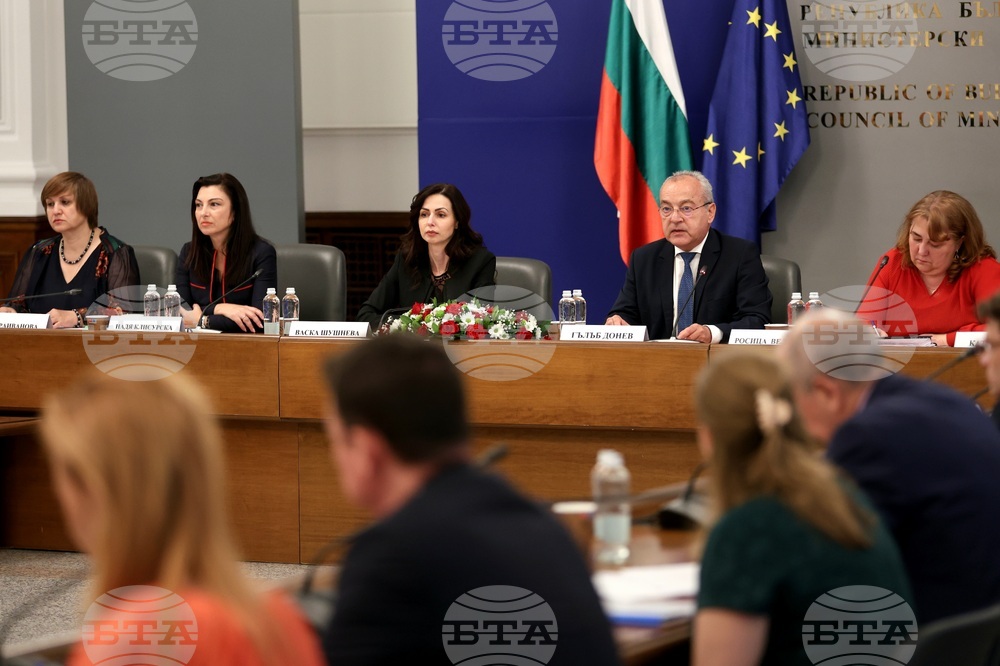
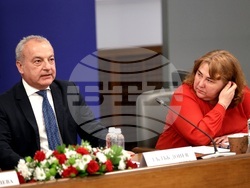
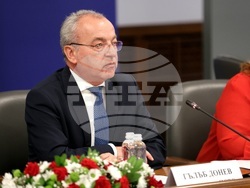
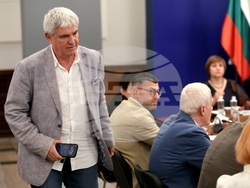
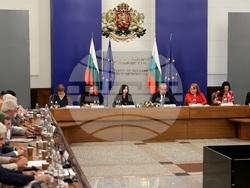
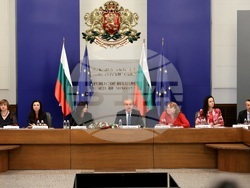
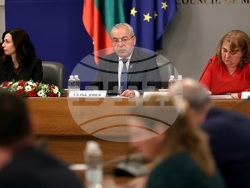
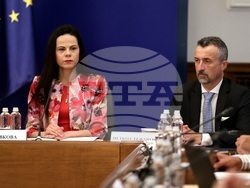
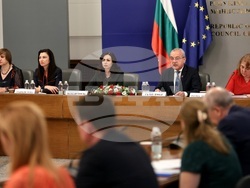
All organisations, except the Bulgarian Industrial Capital Association (BICA), gave conditional backing to the draft 2026 Public Social Insurance Budget Act, Deputy Prime Minister and Finance Minister Galab Donev said after Monday's meeting of the National Council for Tripartite Cooperation.
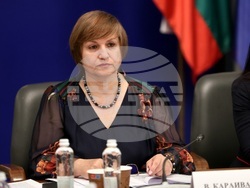
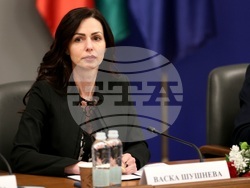
The draft budget was presented by National Social Security Institute (NSSI) Governor Vesela Karaivanova, who said projected revenue is expected to increase by EUR 742 million. She attributed the increase to the rise in the national minimum wage from January 1, 2026, the increase in the maximum insurable income threshold to EUR 2,300 from August 1, 2026, and other measures.
Karaivanova said pensions remain the largest expenditure item in the budget. The draft also provides for the annual pension adjustment from July 1, 2026, at a cost of EUR 513 million. All retirees whose pensions were granted by December 31, 2025, will receive the adjusted amounts, she said, adding that the NSSI has made the necessary organisational preparations.
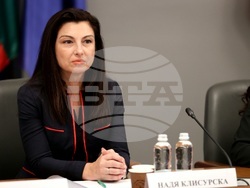
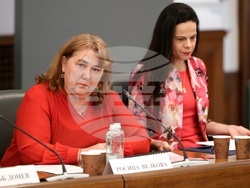
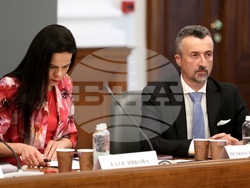
Deputy Labour and Social Policy Minister Nadya Klisurska said the Ministry of Labour and Social Policy supports the draft budget. She said it guarantees citizens' social security rights and provides sufficient funding for the regular payment of pensions, sick leave benefits, maternity benefits and unemployment benefits. Klisurska added that the average pension is expected to reach EUR 543 in 2026. She also said the draft includes measures aimed at reducing the shadow economy.
Although acknowledging that the draft is better balanced than previous versions, the Bulgarian Industrial Capital Association said it fails to address the structural problems of the social security system. "We are withholding our support," BICA Governing Board Chairman Rumen Radev said. He argued that pension spending continues to rise and opposed the proposed increase in the minimum insurable income thresholds, describing them as "an archaic instrument" that should be phased out. At the same time, he welcomed the gradual alignment of the social security contribution regime for civil servants and employees covered by the Judiciary Act with that of private-sector workers. Radev also said the draft lacks measures to address delays in the issuance of medical disability assessment decisions.
The Bulgarian Industrial Association (BIA) described the proposed increase in insurable income thresholds as a particularly sensitive issue. "We realise that with a shrinking number of contributors, no matter how much we increase contributions, they will always be insufficient," BIA Vice President Maria Mincheva said. She added the organisation would support the draft budget provided that the proposed minimum and maximum insurable income thresholds are reconsidered during the legislative process to ensure greater long-term stability.
Tsvetan Simeonov, President of the Bulgarian Chamber of Commerce and Industry (BCCI), said the chamber supports the draft, welcoming the government's intention to eliminate automatic mechanisms and introduce a new system for determining the national minimum wage.
The Confederation of Employers and Industrialists in Bulgaria (KRIB), represented by its Executive Director Boyan Mitrakiev, also expressed conditional support.
The Confederation of Independent Trade Unions in Bulgaria (CITUB) is also inclined to support the draft budget, Asya Goneva said. She described the projected revenue parameters as positive and expressed support for the planned increase in the maximum insurable income threshold.
Podkrepa Confederation of Labour President Dimitar Manolov raised the issue of safeguarding the rights of civil servants as they gradually begin paying social security contributions that have until now been covered by the state. The union insists that public-sector employees' net incomes should be maintained and increased. Podkrepa also welcomed the planned increase in both the maximum insurable income threshold and the minimum insurable income levels by economic activity.
/RY/
Additional
news.modal.image.header
news.modal.image.text
news.modal.download.header
news.modal.download.text
news.modal.header
news.modal.text