site.btaEnyovden: Where St John's Feast Meets Ancient Midsummer Traditions
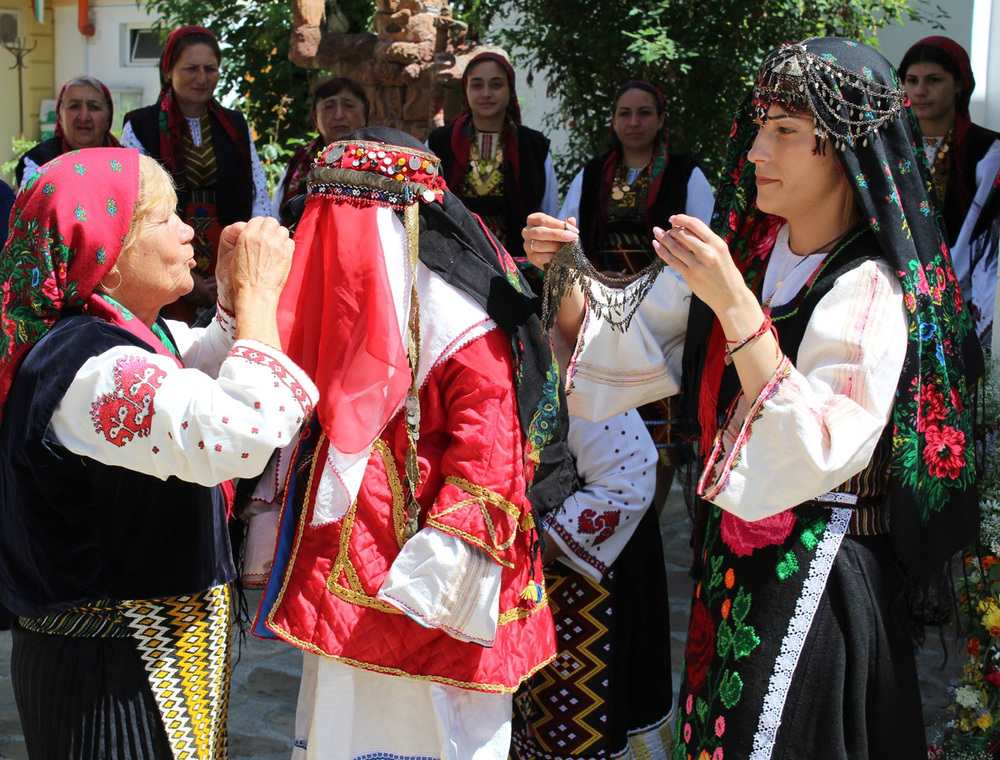
Every year on June 24, Christian observances and centuries-old folk beliefs come together in a unique celebration that blends religious devotion with rituals linked to the powers of nature.
Eastern Orthodox Christians mark the Feast of the Nativity of St John the Baptist, revered as the forerunner of Jesus Christ. According to the Gospels, the births of both St John and Jesus were accompanied by miraculous events, giving the day special significance in the Christian calendar.
At the same time, June 24—known across Europe as Midsummer—has deep roots in pre-Christian traditions and has held an important place in the folk calendar since pagan times.
In Bulgaria, the holiday is called Enyovden and is closely connected with beliefs in the curative powers of the Sun, water and medicinal plants.
Folk tradition says that on Enyovden the Sun bathes in water, transferring to it a life-giving energy. Afterwards, it leaves behind dew believed to possess extraordinary magical properties. For this reason, people are encouraged to wash in running water before sunrise or roll in the morning dew to secure health and well-being. A swim in the sea is also thought to bring benefits, as the waters are said to become still on this day.
Occurring around the summer solstice, Enyovden is traditionally viewed as the moment when the Sun begins its gradual journey toward winter after reaching the height of its strength. At dawn, people are expected to face the rising Sun and glance at their shadow over one shoulder. Seeing a complete shadow is believed to foretell good health throughout the coming year, while an incomplete one is taken as a warning of illness.
Across Europe, bonfires are lit as part of ancient solar rites. These fires are believed to protect communities from witches, dragons and other malevolent forces thought to wander freely on June 24.
Enyovden is also regarded in Bulgaria as the holiday of herbalists and traditional healers. Plants such as lady's bedstraw (locally known as enyovche), sweet clover, wild primula and lemon balm are believed to gain exceptional healing properties when gathered at sunrise on this day. Tradition calls for collecting 77 and a half herbs—77 to correspond to 77 illnesses, and half a herb for a mysterious ailment known only to a select few healers. At sunset, the herbs are immersed in water drawn from a pure spring, and the ritual must be carried out in complete silence so that the water does not lose its magical qualities. People are later sprinkled with this "silent" water in a ceremony believed to grant wishes and bring health, prosperity and good fortune. The herbs gathered on Enyovden are then preserved for medicinal and ritual use throughout the year.
/VE/
news.modal.header
news.modal.text