site.btaCentral Election Commission: No Problem with Voting Machines or Their Certification
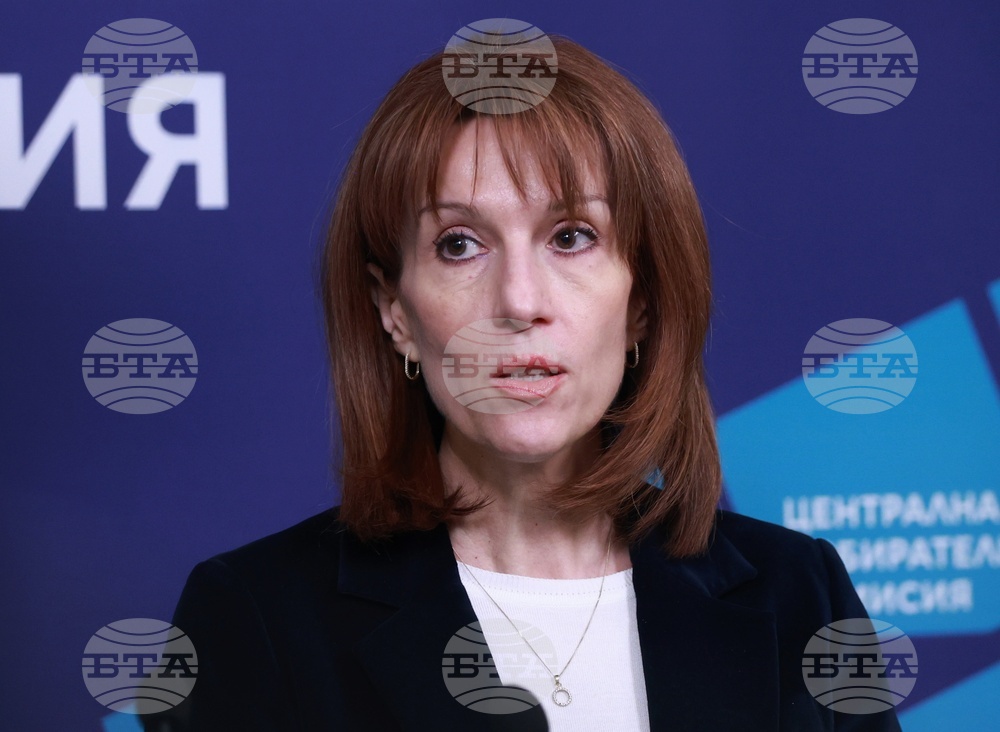
There is no problem with the voting machines or their certification, Central Election Commission (CEC) Chair Kameliya Neykova told the Bulgarian National Radio on Sunday.
The state has 12,837 voting machines. The warranty period has expired for some of them, but this does not mean they are not functioning or ready for the upcoming elections, she said.
An expired warranty does not imply defects; it simply means that in the event of damage or technical issues, the machines will be serviced out of warranty, Neykova explained.
She noted that diagnostics and maintenance are carried out before every election. "There is absolutely no problem with their certification as required by the Election Code. What matters more is the software that will be used for the upcoming elections, its installation and all related activities assigned by the CEC through a public procurement procedure," she said.
Public Demonstration of Machines
Asked why the CEC had refused a proposal by the Public Council to organise a public demonstration to assure parties and civil organisations that machines cannot be tampered with, Neykova said such a demonstration was not refused.
A demonstration is permitted only within the framework of the law, she explained. During the certification process - when compliance of the voting machines and their software with legal requirements is verified under a methodology prepared by the Minister of e-Government, the Institute of Metrology and the Institute for Standardization - representatives of parties, coalitions, NGOs and observers are allowed to attend. The security of the machines can be demonstrated publicly before them at that stage, she said.
Election Budget and Remuneration
Regarding the election budget and increased remuneration for members of sectional and regional election commissions, Neykova said the increases stem from the rise in the minimum wage.
The legislator has linked the minimum remuneration of members of sectional election commissions and regional election commissions to the minimum wage, which must not be lower than one quarter of it. The remuneration of deputy chairs and secretaries of sectional and regional election commissions has been increased proportionally, she added.
Registration of Parties and Observers
By 5:00 p.m. on February 28, six parties and three coalitions had submitted documents to participate in the snap parliamentary elections scheduled for April 19. So far, only one coalition and one party have been formally registered. The remaining applications are under review, including verification of supporting signatures. "Most likely, we will issue decisions on these applications tomorrow [March 2]," Neykova said.
She urged parties and coalitions not to wait until the last moment to submit their documents, noting that the CEC will also accept applications on March 3.
The registration period for observers runs from March 5 to April 17.
Neykova encouraged NGOs wishing to participate with observers to submit their applications early, as observers are entitled to vote using a certificate for voting at a different polling station, and the deadline to apply for such a certificate is April 4.
In addition to Bulgarian NGOs, foreign representatives from the European Parliament, the Organization for Security and Co-operation in Europe (OSCE), the Parliamentary Assembly of the Council of Europe and other international organizations may also participate as observers, she added.
/YV/
news.modal.header
news.modal.text