site.btaPsychotherapist Says Young People Will Adapt Faster to Euro Adoption
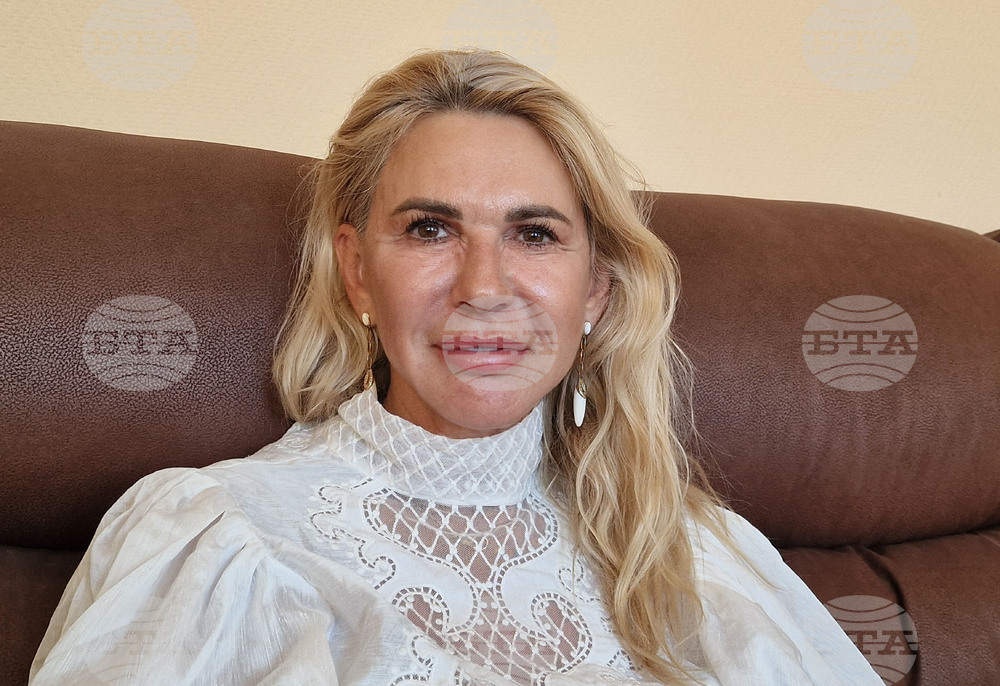
In an interview for BTA, psychotherapist Neli Lesser said that young and aware people will adapt more easily to the transition from the lev to the euro, as leaving one's comfort zone leads to fears.
Asked why Bulgarians are concerned about the introduction of the euro, Lesser said that the Bulgarian people are very oppressed. She stated that the conviction that the nail that sticks out gets hammered down and the fear of being judged by one's peers can lead to years of oppression. She warned that oppressed people cannot express themselves and added: "By expressing our emotions, we are authentic, and when we are not authentic, our psyche expends too much energy suppressing negative experiences, instead of using the energy we need in life to be happy and live with pleasure. The psyche of a child who is oppressed in some way is structured in such a way that its first goal is to survive in the family system and receive as much love as possible from those on whom it depends." She argued that a child would immediately activate their survival instinct and, instead of asserting themselves and being ambitious, they would become suppressed. Lesser added: "This is how adults who have not learned and do not understand who they are grow up, so what they do aims to please their parents."
Anxiety among Bulgarians
Lesser shared that she often comes across mothers in Bulgaria who are more concerned about others might say about their children, which is a fear that gets passed down on the children. She reported that Bulgarian mothers seem to worry more about whether their children will graduate from school and seem disinterested in whether those children are actually happy. The expert advised parents to have faith in their children so that they do not grow up anxious.
According to the psychotherapist, Bulgarians tend to trust others more than they trust their own judgement, because they lack the confidence they needed to receive as kids.
Negativism and positivism
Lesser said: "If I compare people in Bulgaria and the US, Americans wear artificial smiles, demonstrating that everything is fine, which is positive but fake. This is because of the American mindset that others will not solve their problems, and there is no point in frowning, so they do not allow themselves to be negative. Bulgarians are sincere and authentic, so they wear their heart on their sleeve, however, when they focus on this negativity, it continues to dominate their lives. If you constantly say that everything is bad, that politics is bad, that there is little money, it would be difficult for something from outside to come and rescue you." She stated that from a psychological point of view, this attitude in a person shows that there are deficits in their psyche, such as a lack of confidence, lack of love, so that person would be looking for someone else to fill the gaps. She added: "For all the goals we have, we expect someone else to make us happy. Filling these deficits from an external source is impossible."
Fear of adopting the euro
Lesser said: "Every time our psyche leaves the zone of the familiar, there is turbulence because instead of seeking support within themselves, people shift the responsibility outside, and everything that is new stresses the psyche. In my opinion, many people will be frightened." She warned that if a person has not handled their existing fears, any change to the status quo would bring new fears and cause anxiety. She said that Bulgarians will have to learn to cope, since anxiety can erode one's health and disrupt their personal life.
Are young people more adaptable?
According to the therapist, people under 35 have enough energy to cope. She said: "They can overcome many more challenges and pursue their goals more vigorously. During the midlife crisis, which is happening earlier and earlier, the psyche usually becomes exhausted, because we realize that the goals we have set are compensatory and do not always bring inner satisfaction. I wanted that car or that apartment, I have them, but the happiness is short-lived, and then you fall back into your old state because of the deficits you have and feel dissatisfied. At this age, people understand that this is mentally exhausting. In such a situation, our psyche finally makes us look inside ourselves and understand that these goals are not satisfying because through them, we are seeking a certain state, and they cannot give it to us. When they discover a 'hole' in their soul, many people fall into some kind of addiction."
Lesser graduated with a degree in economics in Varna, on the Black Sea. In the 1990s, she left Bulgaria and moved to Germany. Later, she moved to the US, where she studied psychology and psychotherapy. She is a professor at Barry University in Miami, Florida.
/NZ/
news.modal.header
news.modal.text